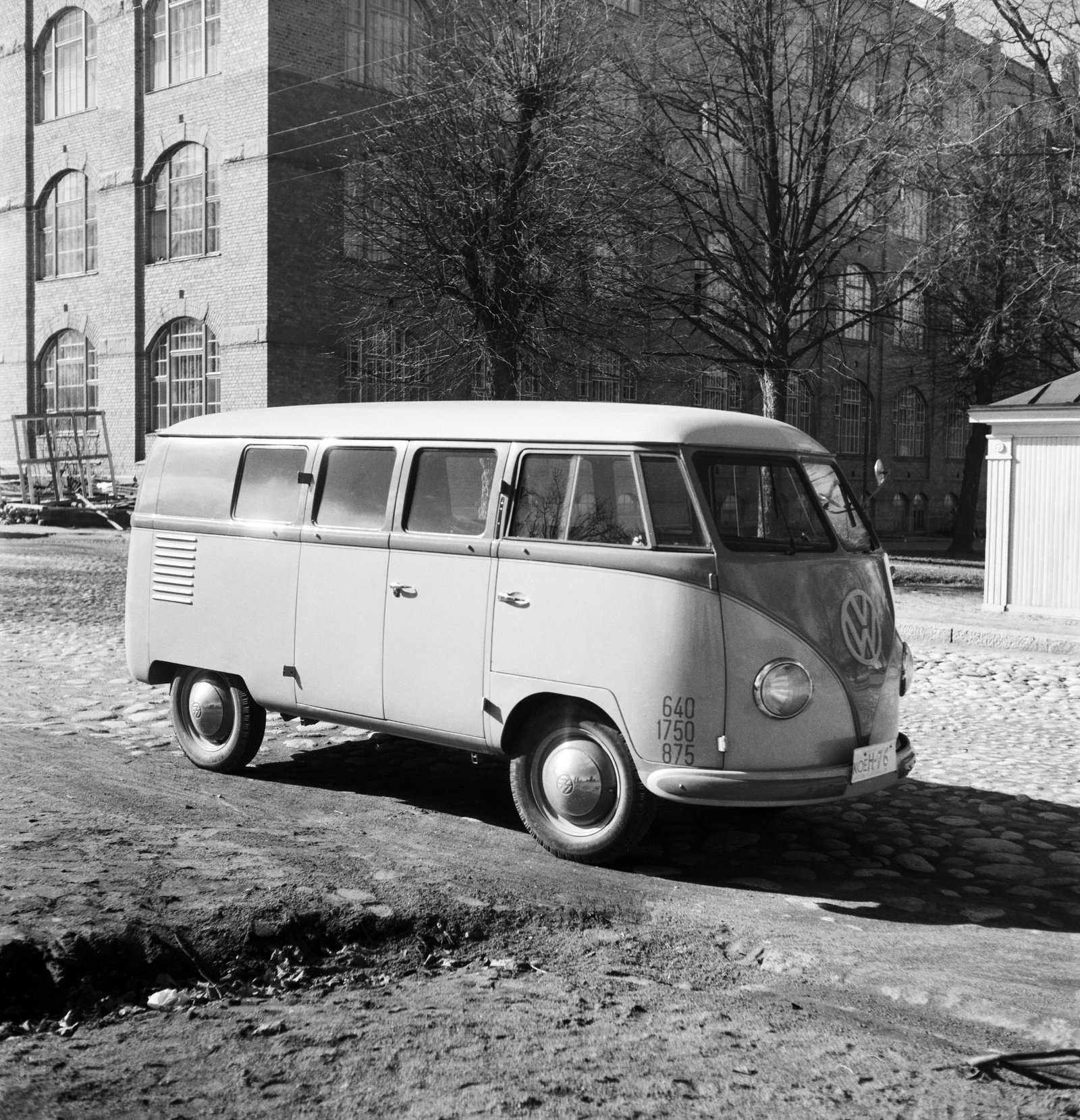
1951 T1 Westfalia (Type 2)
Camper conversion

1951 T1 Westfalia (Type 2)

1131cc
Displacement
25HP
Power
N/A
Top Speed
1951 T1 Westfalia (Type 2) profile

Real Stories

Shaped by Hope: The Story of 'Azul'
The Story of Georgie the VW Bus
1951 T1 Westfalia (Type 2) exterior view

Factory exterior

1 / 1
T1 Westfalia (Type 2)

Home Was Wherever You Parked It.

The 1951 Westfalia camper conversion was the first systematic answer to a question the Bus hadn't yet officially asked: what if this thing was also somewhere to sleep? Westfalia's coachbuilders had an answer. It changed the conversation.

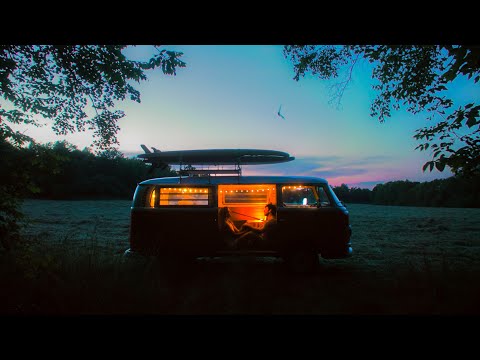
The 1951 Volkswagen Type 2 Westfalia. While the factory was still figuring out what the Bus was for, a coachbuilder in Wiedenbrück had already answered: it was for living in. Westfalia converted the Microbus platform into a self-contained camping vehicle — beds, storage, cooking provisions, everything a family needed to travel without requiring a hotel on the other end.

Read the Full Story

Engineering.

The air-cooled flat-four that powered the 1951 T1 Westfalia (Type 2). Simple, reliable, and endlessly modifiable.

1131cc

Air-cooled flat-4

The air-cooled flat-four engine that powered a generation. Code M1.

Power
25 HP
Fuel
Carburetor

Highlights.

Feature

Cultural context

counterculture

Feature

The 1951 Kombi maintained p...

box shape, split windscreen, eight-passenger capacity.

Engine

Engine Size

1600cc (1.6L) Air-cooled

Feature

Body Style

Microbus

Quick Facts — 1951 Bus

  • Engine SizeNeeds Review

    1600cc (1.6L) Air-cooled

  • Body StyleNeeds Review

    Microbus

  • TransmissionNeeds Review

    Manual (standard)

  • Market PositionNeeds Review

    The 1951 Bus was part of Volkswagen's air-cooled lineup during this era.

  • Cultural SignificanceNeeds Review

    1951: Post-war boom accelerating.

All specifications should be verified before publication.

Top Questions — 1951 Bus

Refer to the specifications section above for the engine code used in the 1951 Bus. The engine code is typically stamped on the engine case above the generator. For verification assistance, use our M-Code decoder tool.

Confidence: medium — This information should be verified with additional sources.

The value of a 1951 Bus varies significantly based on condition, originality, and documentation. Driver-quality examples typically range from lower values, while excellent restored or numbers-matching examples command premiums. Condition, originality, and documentation are the primary value drivers. Always get a professional appraisal for insurance or sale purposes.

Confidence: low — This information requires verification before use.

1951 Bus models were produced at various Volkswagen factories worldwide. Check the production details above for specific factory information. The factory code can often be identified through chassis number analysis.

Confidence: medium — This information should be verified with additional sources.

Key changes for the 1951 Bus: Kombi production refined the concept. Check the specifications section for complete details about year-to-year evolution.

Confidence: medium — This information should be verified with additional sources.

Common rust areas on air-cooled Volkswagens include heater channels (under running boards), floor pans (especially front and battery tray area), front beam (suspension mounting point), rear chassis/apron (where bumper mounts), and door bottoms. The heater channels are structural and expensive to repair. Always inspect these areas carefully before purchase.

The 1952 Bus received updates from the 1951 model. Check the specifications section above for details about year-to-year evolution. Common changes across model years include safety updates, mechanical refinements, and regulatory compliance features.

Confidence: medium — This information should be verified with additional sources.

A full rotisserie restoration typically costs $25,000-$50,000+ depending on condition and level of finish. Mechanical refresh (engine, brakes, suspension) runs $5,000-$12,000. Bodywork and paint alone can be $8,000-$15,000 for quality work. DIY restorations save labor but require significant time investment (500-1,000 hours). Parts availability is generally good for classic VWs, which helps control costs.

Confidence: low — This information requires verification before use.

Numbers matching (original engine, transmission, and chassis) typically increases value by 20-40% over non-matching examples. However, the premium varies based on overall condition, documentation, and market demand. Use our numbers matching verification tool to check your vehicle.

Confidence: medium — This information should be verified with additional sources.

A well-maintained 1951 Bus can serve as a daily driver, but consider the age of the vehicle. Modern traffic, safety features, and reliability expectations differ from the era. Regular maintenance, mechanical knowledge, and realistic expectations are essential. Many owners use classic VWs as weekend drivers or hobby vehicles rather than primary transportation.

Confidence: medium — This information should be verified with additional sources.

Yes, parts availability for classic air-cooled Volkswagens is generally excellent. The large enthusiast community and aftermarket support mean most mechanical and body parts are readily available. Some year-specific trim pieces or rare options may be harder to find, but the core mechanical components are well-supported.

Why This Year Matters

Needs Review
  • Cultural context: counterculture
  • The 1951 Kombi maintained proven design: box shape, split windscreen, eight-passenger capacity.
Collector AppealMedium
Restoration ComplexityMedium
Daily Driver SuitabilityMedium

Valuation Resources

Research current market values for the 1951 T1 Westfalia (Type 2)

Buying tip: Condition is everything. A rusty "project" can cost more to restore than buying a finished car. Check heater channels, floor pans, and battery tray first.

Black

L41solidcommon

Factory Colors

Original paint options available for the 1951 T1 Westfalia (Type 2).

solid Colors

Looking for a 1951 T1 Westfalia (Type 2) in Black?

Find for Sale

Which 1951 Bus fits your style?

Explore the variants available for this model year and find your perfect match.

Want to see a detailed comparison of multiple vehicles?

Compare all variants

Verify Authenticity

Numbers matching verification increases value by 20-40%. Use our tools to verify engine codes, chassis numbers, and M-codes for your 1951 T1 Westfalia (Type 2).

Correct Engine CodeM1

The Full Story

Introduction

The 1951 Volkswagen Type 2 Westfalia. While the factory was still figuring out what the Bus was for, a coachbuilder in Wiedenbrück had already answered: it was for living in. Westfalia converted the Microbus platform into a self-contained camping vehicle — beds, storage, cooking provisions, everything a family needed to travel without requiring a hotel on the other end.

This was 1951. Camping was still a spartan undertaking for most Europeans. The idea that a commercial van could become a mobile home was not obvious. Westfalia made it obvious, and in doing so, established a lineage that ran from German postwar practicality straight to the Grateful Dead parking lot.

What It Was

The Westfalia conversion started with the standard Microbus body and interior, then added systematic camping capability: bench seats that folded into sleeping platforms, integrated storage for camping equipment, a fold-out table for meals and activities, provisions for cooking equipment. The coachbuilding was careful, clever, and built on the Bus's own modular flexibility.

The 1131cc air-cooled engine, 25 horsepower, rear-mounted. All the mechanical components unchanged from the standard Microbus. Westfalia's contribution was interior architecture — converting the Box from passenger carrier to mobile dwelling without compromising either capability significantly. You could still carry five people. You could also sleep in it. That combination was the whole point.

What Made It Special

The conversion proved the Bus platform's fundamental versatility: same forward-control commercial design could serve camping through intelligent interior adaptation. Westfalia's coachbuilding added camping capability without compromising the Microbus's passenger transport utility. Seats converted to beds. Storage integrated cleverly. Equipment mounted accessibly. Everything served dual purposes through design respecting the Bus's core philosophy: maximize utility, maintain simplicity.

The air-cooled engine was particularly suited to camping life — reliable far from service infrastructure, easy to diagnose and repair without specialist tools, able to sit idle for days without deterioration. The combination of Westfalia's domestic intelligence and VW's mechanical honesty created something genuinely new: affordable mobile camping for ordinary people.

Cultural Context

  1. Post-war Europe discovering leisure. The concept of the family holiday was evolving beyond the means of many to hotels and resorts. The Westfalia conversion offered an alternative: take your accommodation with you, go where the road goes, be independent of hospitality infrastructure entirely.

The German vacation tradition — Reisekultur, the culture of travel — found in the Westfalia an ideal instrument. Families could explore the Alpine passes, the Baltic coast, the Black Forest, without booking ahead or fitting into someone else's schedule. Freedom, in 1951, meant independence from the fixed itinerary. The Westfalia made that kind of freedom affordable.

How It Drove

The Westfalia conversion added weight, which the 25-horsepower engine felt. Hills required more planning. Highway cruising required more patience. The camping equipment created a higher center of gravity that the swing-axle rear suspension translated into more deliberate cornering requirements.

But for its intended purpose — getting a family from home to a campsite and establishing a comfortable base — the Westfalia was entirely adequate. You didn't drive a Westfalia for speed. You drove it for arrival. And when you arrived, you stayed somewhere you'd built yourself, organized the way you wanted it, independent of every hotel and pension between here and wherever you'd decided to go.

Who Bought It

Early Westfalia buyers were outdoor-inclined families who had done the calculation: the cost of one summer's hotel holidays versus the cost of a Westfalia that could provide unlimited self-catering travel. The economics were favorable within a few years. The lifestyle dividend was immediate.

The buyers were also, by definition, adventurous — not in the dramatic sense, but in the sense of being willing to organize their own holidays, sleep in their own vehicle, and accept the occasional mechanical inconvenience as part of the deal. These were the original Bus people: practical, independent, comfortable with improvisation, not interested in being told where to go or when to arrive.

Buying Today

A 1951 Westfalia in original or sympathetically restored condition is a museum piece. The early Westfalia conversions are the rarest of all Bus variants — few were made, fewer survived. The combination of mechanical age and intensive use means most early examples were retired or modified beyond recognition long ago.

What survives commands serious collector interest. Westfalia documentation, period camping equipment, original interior fittings — all matter to buyers who understand what they're acquiring. The mechanical components are serviceable from T1 Bus parts supplies; the Westfalia-specific interior fittings require specialist knowledge and networking through the Westfalia collector community.

If you find a genuine early example, get an independent inspection from a specialist before purchase. Then understand that you're acquiring one of the founding documents of an entire culture of van life that runs from 1951 to the present day in unbroken succession.

The Verdict

The 1951 Westfalia conversion was not trying to be a cultural touchstone. It was trying to be a practical camping vehicle for families who couldn't afford resort holidays. It succeeded at that, and accidentally created the template for every van conversion, every overlanding build, every mobile dwelling that followed.

Home was wherever you parked it. That idea — radical in 1951, mainstream in 2025 — started here. With a German coachbuilder, a commercial van, and the simple conviction that a box on wheels could be more than a box on wheels if you built the right things inside it.