1600cc
Displacement
N/A
Power
N/A
Top Speed

Real Stories

Shaped by Hope: The Story of 'Azul'
The Story of Georgie the VW Bus

Three Years In. Refinement Continuing. Faith Validated.

  1. The Korean War was ending. Eisenhower was in the White House. And the VW Kombi was quietly proving something important: if you design something honest and improve it continuously, it doesn't need reinvention.

1953: Three years of Bus production had refined the commercial vehicle into an increasingly capable people-mover. The engine remained 25 horsepower, but everything else improved through accumulated feedback — better synchromesh smoothing shifts for passenger comfort, improved heater making winter journeys tolerable, enhanced sealing preventing leaks during rain, refined details addressing usage reality.

Read the Full Story

Engineering.

The air-cooled flat-four that powered the 1953 T1 Microbus (Type 2). Simple, reliable, and endlessly modifiable.

1600cc

Air-cooled

The air-cooled flat-four engine that powered a generation. Code .

Power
N/A
Fuel
Carburetor

Highlights.

Feature

Feature 1

The 1953 Kombi maintained box design while refining execution.

Engine

Engine Size

1600cc (1.6L) Air-cooled

Feature

Body Style

Microbus

Feature

Transmission

Manual (standard)

Quick Facts — 1953 Bus

  • Engine SizeNeeds Review

    1600cc (1.6L) Air-cooled

  • Body StyleNeeds Review

    Microbus

  • TransmissionNeeds Review

    Manual (standard)

  • Market PositionNeeds Review

    The 1953 Bus was part of Volkswagen's air-cooled lineup during this era.

  • Cultural SignificanceNeeds Review

    1953: Korean War ending.

All specifications should be verified before publication.

Top Questions — 1953 Bus

Refer to the specifications section above for the engine code used in the 1953 Bus. The engine code is typically stamped on the engine case above the generator. For verification assistance, use our M-Code decoder tool.

Confidence: medium — This information should be verified with additional sources.

The value of a 1953 Bus varies significantly based on condition, originality, and documentation. Driver-quality examples typically range from lower values, while excellent restored or numbers-matching examples command premiums. Condition, originality, and documentation are the primary value drivers. Always get a professional appraisal for insurance or sale purposes.

Confidence: low — This information requires verification before use.

1953 Bus models were produced at various Volkswagen factories worldwide. Check the production details above for specific factory information. The factory code can often be identified through chassis number analysis.

Confidence: medium — This information should be verified with additional sources.

Key changes for the 1953 Bus: Kombi production continued refining Bus concept. Check the specifications section for complete details about year-to-year evolution.

Confidence: medium — This information should be verified with additional sources.

Common rust areas on air-cooled Volkswagens include heater channels (under running boards), floor pans (especially front and battery tray area), front beam (suspension mounting point), rear chassis/apron (where bumper mounts), and door bottoms. The heater channels are structural and expensive to repair. Always inspect these areas carefully before purchase.

The 1954 Bus received updates from the 1953 model. Check the specifications section above for details about year-to-year evolution. Common changes across model years include safety updates, mechanical refinements, and regulatory compliance features.

Confidence: medium — This information should be verified with additional sources.

A full rotisserie restoration typically costs $25,000-$50,000+ depending on condition and level of finish. Mechanical refresh (engine, brakes, suspension) runs $5,000-$12,000. Bodywork and paint alone can be $8,000-$15,000 for quality work. DIY restorations save labor but require significant time investment (500-1,000 hours). Parts availability is generally good for classic VWs, which helps control costs.

Confidence: low — This information requires verification before use.

Numbers matching (original engine, transmission, and chassis) typically increases value by 20-40% over non-matching examples. However, the premium varies based on overall condition, documentation, and market demand. Use our numbers matching verification tool to check your vehicle.

Confidence: medium — This information should be verified with additional sources.

A well-maintained 1953 Bus can serve as a daily driver, but consider the age of the vehicle. Modern traffic, safety features, and reliability expectations differ from the era. Regular maintenance, mechanical knowledge, and realistic expectations are essential. Many owners use classic VWs as weekend drivers or hobby vehicles rather than primary transportation.

Confidence: medium — This information should be verified with additional sources.

Yes, parts availability for classic air-cooled Volkswagens is generally excellent. The large enthusiast community and aftermarket support mean most mechanical and body parts are readily available. Some year-specific trim pieces or rare options may be harder to find, but the core mechanical components are well-supported.

Why This Year Matters

Needs Review
  • The 1953 Kombi maintained box design while refining execution.
Collector AppealMedium
Restoration ComplexityMedium
Daily Driver SuitabilityMedium

Valuation Resources

Research current market values for the 1953 T1 Microbus (Type 2)

Buying tip: Condition is everything. A rusty "project" can cost more to restore than buying a finished car. Check heater channels, floor pans, and battery tray first.

Which 1953 Bus fits your style?

Explore the variants available for this model year and find your perfect match.

Want to see a detailed comparison of multiple vehicles?

Compare all variants

Verify Authenticity

Numbers matching verification increases value by 20-40%. Use our tools to verify engine codes, chassis numbers, and M-codes for your 1953 T1 Microbus (Type 2).

The Full Story

Introduction

1953: Three years of Bus production had refined the commercial vehicle into an increasingly capable people-mover. The engine remained 25 horsepower, but everything else improved through accumulated feedback — better synchromesh smoothing shifts for passenger comfort, improved heater making winter journeys tolerable, enhanced sealing preventing leaks during rain, refined details addressing usage reality.

VW was demonstrating a philosophy: start with honest design, improve continuously based on customer experience, never abandon a proven concept for novelty. The Kombi was getting better year by year without revolutionary changes. That evolutionary approach would prove foundational to Bus longevity and cultural adaptability.

What It Was

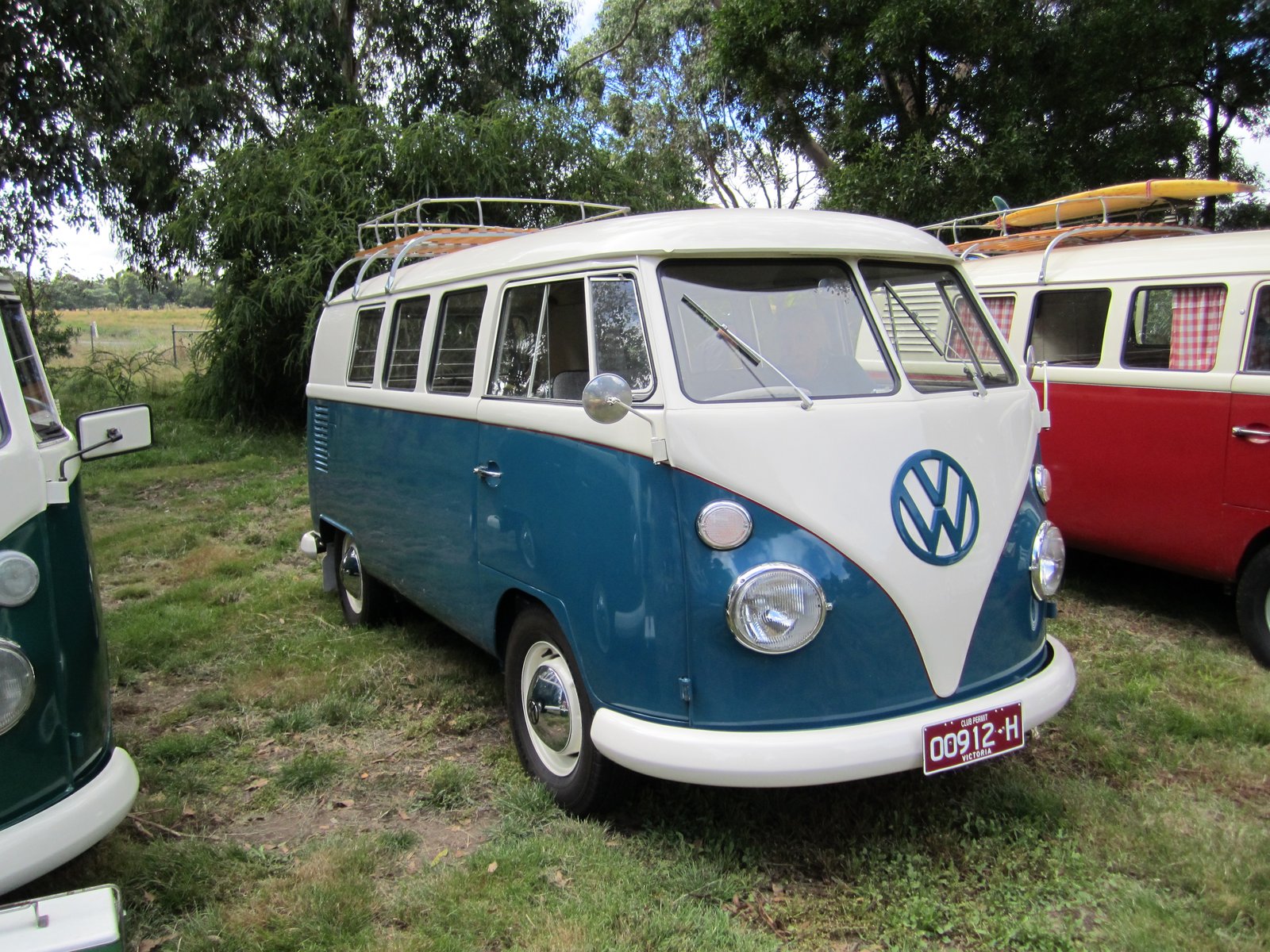
The 1953 Kombi maintained the box design while refining execution. Panel fit improved through manufacturing experience. Paint quality enhanced through process refinement. Interior details upgraded through customer feedback. The split-window honest design remained unchanged — VW wasn't chasing styling trends because they'd designed the right thing originally. Just kept making the right thing work better.

Three years of customer use had identified the points of friction. The heater that barely worked in Alpine winters. The sealing that let rain intrude at speed. The small details of daily use that accumulated into dissatisfaction. VW addressed them systematically, without fanfare, in the spirit of a manufacturer that took its customers' experience seriously.

What Made It Special

The 1953 Kombi's most important quality was invisible from the outside: accumulated improvement responding to how people actually used the vehicle. Not how VW imagined they'd use it. How they actually did — in winter, in rain, on long family trips, through city traffic, on farm tracks.

That user-responsive improvement made the 1953 Kombi more livable than its predecessors in ways that didn't photograph well but mattered enormously to daily owners. Better heater. Tighter sealing. Smoother gearbox. Improved interior details. The Bus was becoming less a compromise and more a conviction: this design worked, and VW was going to prove it by making it work better every year.

Cultural Context

1953: The Korean War ended in July armistice. Eisenhower's presidency was settling into postwar stability. American families were discovering road trip culture as the highway system expanded and prosperity spread. The Kombi was positioning itself as affordable family transport: eight people, luggage capacity, proven reliability.

Three years of production had validated the commercial concept. The next decade would reveal the lifestyle potential. In 1953, the foundation was being established through continuous refinement serving practical needs that would eventually evolve into cultural values — the vehicle that families trusted for reliable transportation would become the vehicle that a generation trusted for genuine freedom.

How It Drove

The 1953 Kombi drove with the accumulated improvements of three production years: smoother synchromesh, better heater keeping the cabin warm on winter runs, tighter sealing making rain-driving less adventurous. The 25-horsepower engine was unchanged, but everything around it had been refined.

You sat high. You saw far. You planned ahead. The Bus rewarded drivers who treated it as a collaborator rather than a tool — who understood that 25 horsepower needed to be used wisely, that the swing-axle rear required respect, that the drum brakes appreciated notice before they were needed. The 1953 Kombi was the best version yet of a vehicle that had been good from the start.

Who Bought It

By 1953 the Kombi had a reliable repeat-buyer base. Organizations that had bought early examples and found them dependable were returning for additional vehicles or replacements. Word of mouth was working in VW's favor: the Bus does what it says it does, and it keeps doing it, and VW keeps making it slightly better.

Family buyers were discovering the Kombi through used examples — three years of production meant second-hand stock was appearing at prices that made the family-vacation mathematics very compelling. The commercial buyers were advocates. The family buyers were converts. The foundation for genuine cultural impact was being laid, one satisfied customer at a time.

Buying Today

1953 Kombis represent the refined early split-window era — three years of improvement over the founding design without the additional complexity of the later T1 upgrades. For buyers who want early historical significance with slightly more reliable daily mechanics than the 1950-1951 examples, the 1953 is a logical target.

The Bus was proving itself commercially viable and establishing the reliability reputation that would support cultural adoption coming in the 1960s counterculture era. Three years of customer feedback incorporated systematically. The Bus getting better without abandoning proven design. That improvement discipline makes 1953 specimens significant to collectors who understand the value of evolution over revolution.

The Verdict

Today's restorers value 1953 Kombis as mid-refinement iteration — VW's commitment to continuous improvement made visible in the details. The synchromesh that made driving easier. The heater that made winters warmer. The sealing that made rain bearable. Each small thing adding up to a vehicle that was becoming genuinely excellent rather than merely adequate.

That improvement discipline — show your customers you're listening by making the thing better — is as much the Bus's legacy as its silhouette. The 1953 Kombi is evidence of the philosophy in practice.