1584cc
Displacement
47HP
Power
N/A
Top Speed

Real Stories

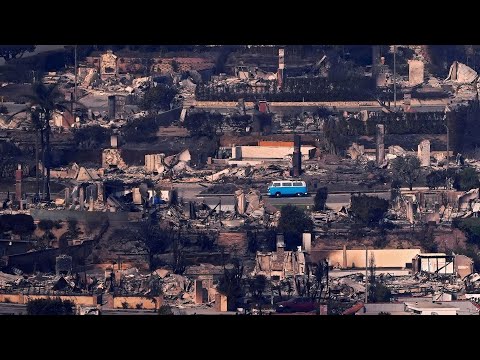
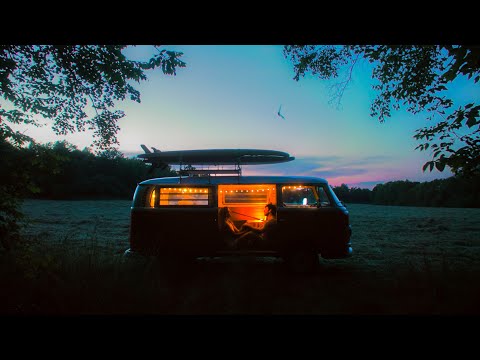
Shaped by Hope: The Story of 'Azul'
The Story of Georgie the VW Bus

1972 VW Double Cab: While Washington Was Breaking In, This Truck Was Just Breaking Ground

The 1972 Double Cab hauled the world on six cylinders of air-cooled honesty. Watergate was breaking, Munich was burning, and this truck just showed up to work — like it always did.

June 1972: Five men were arrested in the Watergate complex at 2:30 in the morning. August 1972: eleven Israeli athletes were murdered at the Munich Olympics. November 1972: Nixon won 49 states. The year felt like America was coming unwired at a national level, every institution simultaneously proud and compromised. Into that noise rolled the 1972 VW Double Cab, absolutely indifferent to all of it. It had a job. It did its job. The people who drove it had learned something that the TV cameras hadn't: the work still needs doing.

Read the Full Story

Engineering.

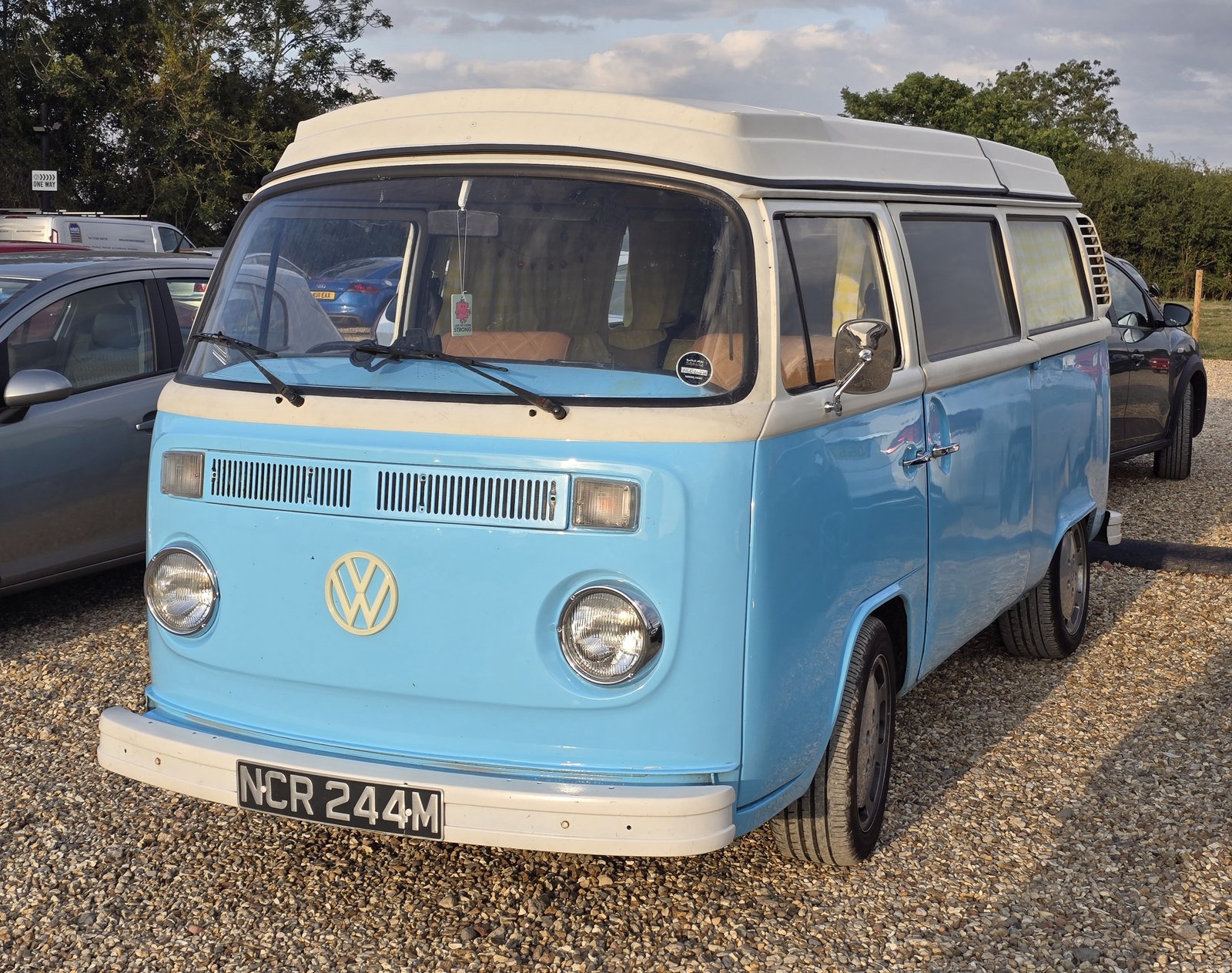
The air-cooled flat-four that powered the 1972 T2 Double Cab (Type 2). Simple, reliable, and endlessly modifiable.

1584cc

Air-cooled flat-4 / Type 4

The air-cooled flat-four engine that powered a generation. Code B0, AD, AE, CA, CB.

Power
47 HP
Fuel
Carburetor

Highlights.

Feature

Cultural context

counterculture, movement

Feature

Feature 2

The Type 2's boxy, forward-control layout was radical for its time.

Engine

Engine Size

1584cc (1.584L) Air-cooled flat-4 / Type 4

Engine

Horsepower

47 HP

Quick Facts — 1972 Bus

  • Engine SizeNeeds Review

    1584cc (1.584L) Air-cooled flat-4 / Type 4

  • HorsepowerNeeds Review

    47 HP

  • Engine CodeNeeds Review

    B0, AD, AE, CA, CB

  • Body StyleNeeds Review

    Pickup

  • TransmissionNeeds Review

    4-speed manual

  • Cultural SignificanceNeeds Review

    The 1972 Bus served maturing environmental movement and fragmenting counterculture.

All specifications should be verified before publication.

Top Questions — 1972 Bus

Refer to the specifications section above for the engine code used in the 1972 Bus. The engine code is typically stamped on the engine case above the generator. For verification assistance, use our M-Code decoder tool.

Confidence: medium — This information should be verified with additional sources.

The value of a 1972 Bus varies significantly based on condition, originality, and documentation. Driver-quality examples typically range from lower values, while excellent restored or numbers-matching examples command premiums. Condition, originality, and documentation are the primary value drivers. Always get a professional appraisal for insurance or sale purposes.

Confidence: low — This information requires verification before use.

1972 Bus models were produced at various Volkswagen factories worldwide. Check the production details above for specific factory information. The factory code can often be identified through chassis number analysis.

Confidence: medium — This information should be verified with additional sources.

The 1972 Bus received several updates from the 1971 model. Refer to the specifications and editorial sections above for detailed information about year-to-year changes. Changes may include mechanical updates, safety features, or cosmetic refinements.

Confidence: medium — This information should be verified with additional sources.

Common rust areas on air-cooled Volkswagens include heater channels (under running boards), floor pans (especially front and battery tray area), front beam (suspension mounting point), rear chassis/apron (where bumper mounts), and door bottoms. The heater channels are structural and expensive to repair. Always inspect these areas carefully before purchase.

The 1973 Bus received updates from the 1972 model. Check the specifications section above for details about year-to-year evolution. Common changes across model years include safety updates, mechanical refinements, and regulatory compliance features.

Confidence: medium — This information should be verified with additional sources.

A full rotisserie restoration typically costs $25,000-$50,000+ depending on condition and level of finish. Mechanical refresh (engine, brakes, suspension) runs $5,000-$12,000. Bodywork and paint alone can be $8,000-$15,000 for quality work. DIY restorations save labor but require significant time investment (500-1,000 hours). Parts availability is generally good for classic VWs, which helps control costs.

Confidence: low — This information requires verification before use.

Numbers matching (original engine, transmission, and chassis) typically increases value by 20-40% over non-matching examples. However, the premium varies based on overall condition, documentation, and market demand. Use our numbers matching verification tool to check your vehicle.

Confidence: medium — This information should be verified with additional sources.

A well-maintained 1972 Bus can serve as a daily driver, but consider the age of the vehicle. Modern traffic, safety features, and reliability expectations differ from the era. Regular maintenance, mechanical knowledge, and realistic expectations are essential. Many owners use classic VWs as weekend drivers or hobby vehicles rather than primary transportation.

Confidence: medium — This information should be verified with additional sources.

Yes, parts availability for classic air-cooled Volkswagens is generally excellent. The large enthusiast community and aftermarket support mean most mechanical and body parts are readily available. Some year-specific trim pieces or rare options may be harder to find, but the core mechanical components are well-supported.

Why This Year Matters

Needs Review
  • Cultural context: counterculture, movement
  • The Type 2's boxy, forward-control layout was radical for its time.
Collector AppealMedium
Restoration ComplexityMedium
Daily Driver SuitabilityMedium

Valuation Resources

Research current market values for the 1972 T2 Double Cab (Type 2)

Buying tip: Condition is everything. A rusty "project" can cost more to restore than buying a finished car. Check heater channels, floor pans, and battery tray first.

Mint Green

L11Hsolidcommon

Factory Colors

Original paint options available for the 1972 T2 Double Cab (Type 2).

solid Colors

Looking for a 1972 T2 Double Cab (Type 2) in Mint Green?

Find for Sale

Which 1972 Bus fits your style?

Explore the variants available for this model year and find your perfect match.

Want to see a detailed comparison of multiple vehicles?

Compare all variants

Verify Authenticity

Numbers matching verification increases value by 20-40%. Use our tools to verify engine codes, chassis numbers, and M-codes for your 1972 T2 Double Cab (Type 2).

Correct Engine CodeB0, AD, AE, CA, CB

The Full Story

Introduction

June 1972: Five men were arrested in the Watergate complex at 2:30 in the morning. August 1972: eleven Israeli athletes were murdered at the Munich Olympics. November 1972: Nixon won 49 states. The year felt like America was coming unwired at a national level, every institution simultaneously proud and compromised. Into that noise rolled the 1972 VW Double Cab, absolutely indifferent to all of it. It had a job. It did its job. The people who drove it had learned something that the TV cameras hadn't: the work still needs doing.

This wasn't the Bus that went to Woodstock. This was the Bus that showed up Monday morning to rebuild the stage.

What It Was

The T2 Double Cab was a Volkswagen contradiction made practical: a pickup truck that seated six. Behind the driver and front passenger sat a rear bench — cramped but functional — and behind that, an open flatbed rated for serious cargo. The 1972 version ran engine codes B0, AD, AE, CA, and CB, all variations on the 1600cc air-cooled flat-four that VW had refined over two decades of obsessive simplicity. Power outputs ranged from 50 to 60 horsepower depending on configuration. The transmission was a four-speed manual that rewarded drivers who paid attention.

The body was steel, boxy in the way that only things built entirely around function become boxy. The cab-over design gave you visibility that American trucks couldn't match. The double doors opened to that rear bench like an admission that this vehicle had compromises and was fine with them. It wasn't a van and it wasn't a truck. It was both. That made it either useless or perfect, depending entirely on what you needed to haul.

What Made It Special

The Double Cab's genius was combinatorial. Most work trucks forced a choice: people OR cargo. American half-tons of the era solved this with extended cabs that added length and bulk. The VW solution was more surgical — fold the driver's seat forward, load the rear section, unfold, drive. The whole rig was shorter than a standard American pickup and could park anywhere a Beetle could park. Which was everywhere.

The 1600cc engine wasn't impressive in isolation. But in a vehicle this light, doing work this specific, it was enough. More than enough. Contractors who'd owned them for years reported 28-30 miles per gallon doing actual jobsite work. In 1972, when gas was still cheap, that was a nice bonus. Within a year, it would be a salvation.

Cultural Context

1972 was the last year America felt stable before the dam broke. The muscle car era was ending — emissions regulations and insurance costs were strangling the big V8s. Detroit's response was to make everything larger, heavier, and more expensive. The irony was building: the country that invented consumerism was about to discover that consuming less wasn't deprivation. It was survival.

The Double Cab existed outside this argument entirely. Its buyers weren't philosophizing about transportation; they were loading tile, lumber, and landscaping equipment. The counterculture had given the VW Bus its cultural halo, but the Double Cab belonged to a different tradition — the German immigrant farmer, the contractor who needed his crew and his tools in the same vehicle, the small business owner for whom a truck was not a statement but a tool. In 1972, that unselfconsciousness looked almost radical.

How It Drove

Sitting in the Double Cab's driver seat felt like being at the bow of a very small ship. The windscreen was vast. The engine was behind you. The road arrived before you could properly think about it. Zero to 60 in around 22 seconds with a full load — faster empty, which was rare, because if you owned one of these you were always hauling something.

The steering was direct and talkative. The ride was firm enough to remind you that payload capacity was the design priority. Highway miles were possible but philosophical — you'd arrive at your destination knowing you'd actually traveled. The 1600cc's soundtrack was part of the experience: a mechanical conversation happening just behind your ears, reassuring and rough in equal measure. It was a driver's truck in the sense that the driver was always involved.

Who Bought It

Florists, plumbers, vineyard workers, landscape crews, small general contractors who needed to carry both materials and the people to install them. The Double Cab was the working vehicle of the working class — not the aspirational class, not the counterculture, but the people who showed up and did things. In California wine country they were everywhere. In the suburbs of New Jersey they were less common but somehow more conspicuous, a small German truck in a world of American-built half-tons.

A subset of buyers came from the VW faithful — people who'd run Beetles and Buses for years and trusted the air-cooled religion. They bought the Double Cab because they'd learned that reliability and simplicity were not compromises. They were luxuries that most vehicles couldn't afford to offer.

Buying Today

A clean 1972 Double Cab is a serious collector's vehicle. The double cab format was never as common as the Microbus or the Beetle, and attrition has been brutal — these were work trucks, used until they weren't, parted out or crushed without ceremony. Expect to pay $35,000-55,000 for a restored example in good condition, more for exceptional ones. Project trucks start around $8,000-15,000, but budgets tend to expand.

The 1600cc engines are well-documented and well-supported by the aftermarket. Rust is the structural enemy — check the cab corners, the floor pan, and especially the chassis rails under the bed. German-market examples rust differently than American ones. Brazilian T2s (still in production until 2013) are available as parts donors. Whatever you pay, you'll spend more than you expect and feel better than you thought possible.

Verdict

The 1972 Double Cab doesn't need mythology. It has something better: a job it was perfectly designed to do, an engine that would rather run than stop, and a decade of cultural chaos that it completely ignored. Washington was busy with its own drama. This truck was just busy.

Buy one because you want a vehicle that takes work seriously. Drive it because German engineering made something honest. Keep it because in fifty years of automotive history, very few trucks told the truth this cleanly.