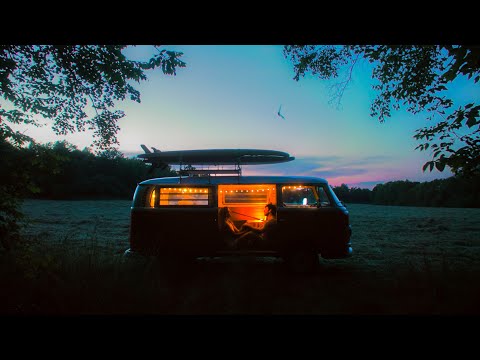
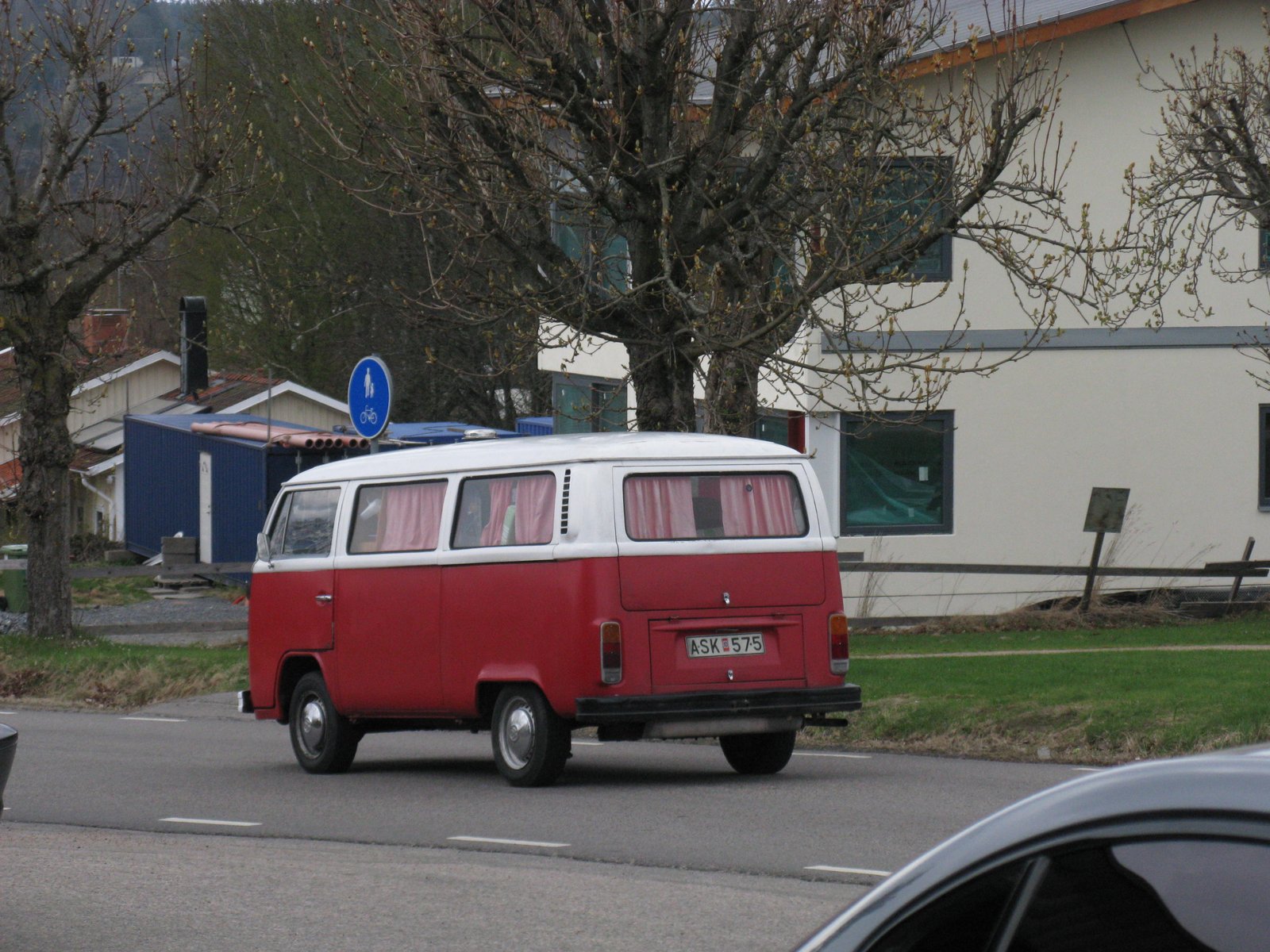
1974 T2 Westfalia (Type 2)
Camper with pop-top

1974 T2 Westfalia (Type 2)

1795cc
Displacement
68HP
Power
N/A
Top Speed
1974 T2 Westfalia (Type 2) profile

Real Stories

Shaped by Hope: The Story of 'Azul'
The Story of Georgie the VW Bus
1974 T2 Westfalia (Type 2) exterior view

Factory exterior

1 / 1
T2 Westfalia (Type 2)

1974 Bus

Bay Window. Pop-up roof. Kitchenette integration.

Read the Full Story

Engineering.

The air-cooled flat-four that powered the 1974 T2 Westfalia (Type 2). Simple, reliable, and endlessly modifiable.

1795cc

Air-cooled Type 4 flat-4

The air-cooled flat-four engine that powered a generation. Code AW / ED.

Power
68 HP
Fuel
Carburetor

Highlights.

Feature

Cultural context

counterculture, oil crisis

Feature

Feature 2

The Type 2's boxy, forward-control layout was radical for its time.

Engine

Engine Size

1584cc (1.584L) Air-cooled flat-4 / Type 4

Engine

Horsepower

50 HP

Quick Facts — 1974 Bus

  • Engine SizeNeeds Review

    1584cc (1.584L) Air-cooled flat-4 / Type 4

  • HorsepowerNeeds Review

    50 HP

  • Engine CodeNeeds Review

    B0, AD, AE, CA, CB

  • Body StyleNeeds Review

    Pickup

  • TransmissionNeeds Review

    4-speed manual

  • Cultural SignificanceNeeds Review

    1974: Nixon resigned, recession deepened, oil prices stayed elevated.

All specifications should be verified before publication.

Top Questions — 1974 Bus

Refer to the specifications section above for the engine code used in the 1974 Bus. The engine code is typically stamped on the engine case above the generator. For verification assistance, use our M-Code decoder tool.

Confidence: medium — This information should be verified with additional sources.

The value of a 1974 Bus varies significantly based on condition, originality, and documentation. Driver-quality examples typically range from lower values, while excellent restored or numbers-matching examples command premiums. Condition, originality, and documentation are the primary value drivers. Always get a professional appraisal for insurance or sale purposes.

Confidence: low — This information requires verification before use.

1974 Bus models were produced at various Volkswagen factories worldwide. Check the production details above for specific factory information. The factory code can often be identified through chassis number analysis.

Confidence: medium — This information should be verified with additional sources.

The 1974 Bus received several updates from the 1973 model. Refer to the specifications and editorial sections above for detailed information about year-to-year changes. Changes may include mechanical updates, safety features, or cosmetic refinements.

Confidence: medium — This information should be verified with additional sources.

Common rust areas on air-cooled Volkswagens include heater channels (under running boards), floor pans (especially front and battery tray area), front beam (suspension mounting point), rear chassis/apron (where bumper mounts), and door bottoms. The heater channels are structural and expensive to repair. Always inspect these areas carefully before purchase.

The 1975 Bus received updates from the 1974 model. Check the specifications section above for details about year-to-year evolution. Common changes across model years include safety updates, mechanical refinements, and regulatory compliance features.

Confidence: medium — This information should be verified with additional sources.

A full rotisserie restoration typically costs $25,000-$50,000+ depending on condition and level of finish. Mechanical refresh (engine, brakes, suspension) runs $5,000-$12,000. Bodywork and paint alone can be $8,000-$15,000 for quality work. DIY restorations save labor but require significant time investment (500-1,000 hours). Parts availability is generally good for classic VWs, which helps control costs.

Confidence: low — This information requires verification before use.

Numbers matching (original engine, transmission, and chassis) typically increases value by 20-40% over non-matching examples. However, the premium varies based on overall condition, documentation, and market demand. Use our numbers matching verification tool to check your vehicle.

Confidence: medium — This information should be verified with additional sources.

A well-maintained 1974 Bus can serve as a daily driver, but consider the age of the vehicle. Modern traffic, safety features, and reliability expectations differ from the era. Regular maintenance, mechanical knowledge, and realistic expectations are essential. Many owners use classic VWs as weekend drivers or hobby vehicles rather than primary transportation.

Confidence: medium — This information should be verified with additional sources.

Yes, parts availability for classic air-cooled Volkswagens is generally excellent. The large enthusiast community and aftermarket support mean most mechanical and body parts are readily available. Some year-specific trim pieces or rare options may be harder to find, but the core mechanical components are well-supported.

Why This Year Matters

Needs Review
  • Cultural context: counterculture, oil crisis
  • The Type 2's boxy, forward-control layout was radical for its time.
Collector AppealMedium
Restoration ComplexityMedium
Daily Driver SuitabilityMedium

Valuation Resources

Research current market values for the 1974 T2 Westfalia (Type 2)

Buying tip: Condition is everything. A rusty "project" can cost more to restore than buying a finished car. Check heater channels, floor pans, and battery tray first.

Pistachio

L13Hsolidcommon

Factory Colors

Original paint options available for the 1974 T2 Westfalia (Type 2).

solid Colors

Looking for a 1974 T2 Westfalia (Type 2) in Pistachio?

Find for Sale

Which 1974 Bus fits your style?

Explore the variants available for this model year and find your perfect match.

Want to see a detailed comparison of multiple vehicles?

Compare all variants

Verify Authenticity

Numbers matching verification increases value by 20-40%. Use our tools to verify engine codes, chassis numbers, and M-codes for your 1974 T2 Westfalia (Type 2).

Correct Engine CodeAW / ED

The Full Story

What It Was

Bay Window. Pop-up roof. Kitchenette integration.

What Made It Special

Bus platform proved adaptable.

How It Drove

Home on wheels.

Cultural Context

Economic uncertainty. Westfalia represented alternative living.

Verdict

Original owners discovered premium camping.

Gen X appreciated sophisticated camping.

Today's collectors value innovative adaptation.

Buying Today

Westfalia demand steady despite recession.

Cultural Context

1974: Nixon resigned, recession deepened, oil prices stayed elevated. The Bus served multiple crisis-revealed needs: fuel efficiency (oil crisis), verifiable reliability (post-Watergate trust issues), affordable transport (recession economics), collective capability (community mutual aid). One vehicle serving convergent crises through values maintained since 1950.

The Westfalia Camper's engineering served 1974 needs through honest design maintained since 1950: eight-passenger collective capacity enabling efficient group transport and community mobile living, air-cooled simplicity providing transparent mechanical systems and environmental advantages through no-coolant operation, owner-serviceable maintenance supporting self-sufficient values and reducing service dependency costs, affordable pricing making Bus accessible to people choosing values over wealth, durable construction enabling extended ownership rejecting planned obsolescence. Every characteristic aligned with environmental consciousness, economic necessity, and community values the 1970s amplified through crisis and cultural maturation.

The Bus proved that values endure across cultural contexts when engineering is honest enough to serve varied needs authentically. Counterculture adopted for collective living. Environmental movement recognized for efficiency. Economic crisis validated for affordability and durability. Each context discovered Bus embodied their particular values because foundational engineering philosophy—build honest, maintain simple, enable collective, last decades—was deep enough to serve multiple purposes through single consistent design approach.

Verdict

Original 1974 Bus owners served diverse needs through same vehicle: remaining commune members using for alternative lifestyle persistence, environmental activists using for ecological transport, families using for affordable reliable group mobility, everyone valuing collective capacity and fuel efficiency during oil crisis aftermath and economic recession. The Bus that served counterculture 1960s continued serving environmental 1970s through engineering maintained consistently proving values transcended specific movements.

Today's restorers preserve 1974 Buses as multi-purpose environmental and cultural artifacts: vehicles proving efficiency values work across contexts, collective capability serves varied needs, honest engineering endures through cultural changes, simple reliability enables long-term service. The 1974 Westfalia Camper demonstrated that building from correct values creates vehicles serving successive movements because values like honesty, efficiency, collective capability, and durability transcend temporary cultural circumstances to address enduring human needs for reliable affordable community mobile transport.