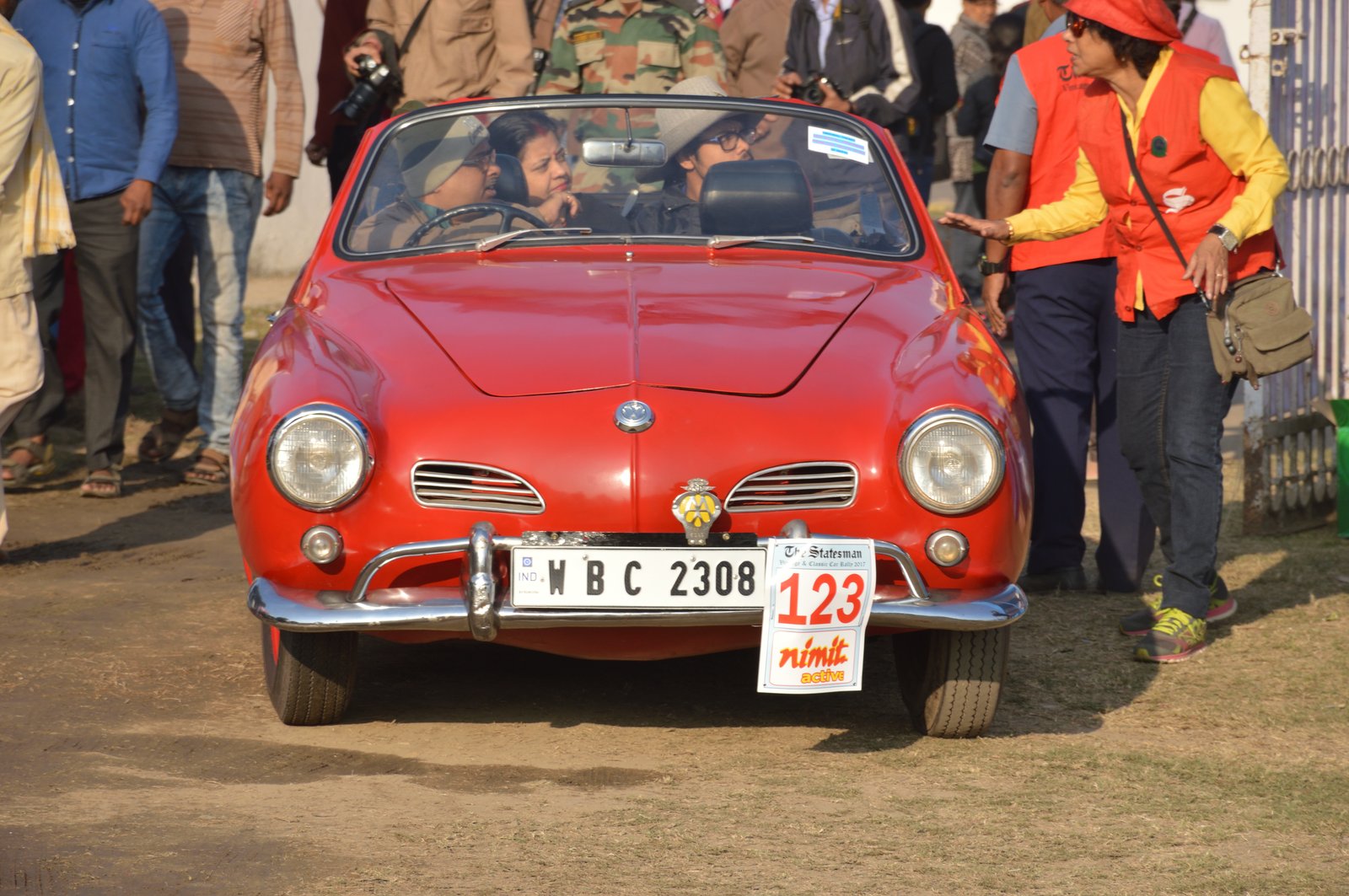
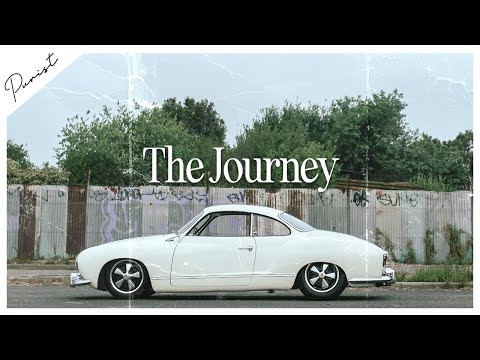
1960 Type 14 Coupe

1192cc • 34 HP • 2-door coupe

1960 Type 14 Coupe

The 1960 Karmann Ghia Coupe was the same car it had always been, and the culture had finally caught up. Kennedy's America wanted European sophistication. The Karmann Ghia had been offering it since Eisenhower's first term.

Real Stories

VW Karmann Ghia 'lowlight' Debut

The Story

hen the 1960 Karmann Ghia rolled off assembly lines, it carried forward a design philosophy that had survived recessions, cultural upheaval, and the endless march of automotive fashion. The Karmann Ghia Coupe represented that moment perfectly — a bridge between the elegant restraint of yesterday and the evolving sensibilities of its era.

Production had grown substantially. More cars meant more visibility. The coupe was now a recognizable part of the American import landscape, favored by the kind of people who would define the 1960s cultural moment.

The engine produced 40 horsepower in the US-market specification. The car remained what it had always been.

Model Information and History

What It Was

The Karmann Ghia never competed on horsepower or size. It competed on something more fundamental: the belief that how you design a car says something about who you are as a designer, and by extension, who you are as a driver. In 1960, when everything else was getting bigger and noisier, the Karmann Ghia stayed itself. Restrained. Purposeful. Elegant.

The coupe body was fully mature. Five years of production experience had made Karmann's craftsmen expert at the specific demands of the Type 14 body. Panel fit was excellent. Build quality was consistent. The design remained Luigi Segre's original vision, largely unchanged.

Interior refinements had accumulated without altering the fundamental character. The cabin was still intimate, the dashboard clean, the instruments honest. This was a car for people who liked to know what was happening.

What Made It Special

Beneath that graceful body, the torsion bar suspension meant every corner was an interaction, not a fight. The four-speed manual transmission meant driving was a conversation. The leather-trimmed steering wheel, the simple dashboard — honest choices made by craftsmen who respected the driver.

The 40-horsepower engine configuration made the 1960 coupe more relaxed on the new Interstate highways than earlier examples. The car's fundamental character was unchanged — the experience was engagement and elegance, not performance — but it felt more at home at American speeds.

Karmann's coachbuilding mastery was by now fully mature. These were not prototypes or early production exercises. They were carefully made cars by skilled craftsmen who had found the work's full rhythm.

How It Drove

The 1960 coupe drove with accumulated confidence. Everything the design promised, the driving experience delivered. The gearshift was direct and satisfying. The steering gave clear feedback. The brakes — drum all around, as they'd always been — were adequate for the car's speed.

At highway speed, the coupe found a composed rhythm. The aerodynamics weren't designed for high-speed stability — this was a 1955 design, not an Autobahn tool — but at 65-70 mph, the car tracked straight and felt settled.

In town, the Karmann Ghia was genuinely pleasant. Compact, maneuverable, with good visibility from the greenhouse. Parking was easy. The car belonged in cities as much as on country roads.

Cultural Context

That Karmann Ghia in 1960 might have been your first date destination. Or your older sibling's car you borrowed desperately and felt like an adult driving. Or the car you saw once and couldn't stop thinking about.

Kennedy won in November 1960 by the narrowest margin. His administration would bring European sophistication into American culture in ways that the previous decade had not anticipated. The Peace Corps. Jackie's wardrobe. The New Frontier's self-conscious modernity.

The Karmann Ghia had been the automobile correlate of this aesthetic since 1955. In 1960, its buyers were no longer ahead of the culture. The culture had arrived where they were.

Who Bought It

The 1960 coupe buyer was the Karmann Ghia's core constituency at its fullest expression: design-literate, European-influenced, committed to the idea that a car could be beautiful and honest simultaneously.

These were Kennedy voters, New Yorker subscribers, the emerging American creative class. They weren't buying the Karmann Ghia because it was fashionable — it wasn't, quite, not yet — but because they had always understood what it was.

Later owners discovered these cars in the 1970s and 1980s as affordable used classics. The design translated across generations without explanation. That's how you know something was genuinely good.

Buying Today

The 1960 coupe is well-situated in the Karmann Ghia collector market. Not rare enough to be inaccessible, not common enough to be taken for granted. Production was substantial and survivors are findable.

The mechanical platform is excellently supported. Parts availability through the VW/Karmann Ghia supply chain is generally good. The air-cooled engine responds well to regular maintenance and professional rebuilding when necessary.

Structural inspection is mandatory. Heater channels, floor pans, sill areas. No exceptions. Check Hagerty for current market values. The 1960 coupe has appreciated consistently as collectors have recognized the early production years as historically significant.

The Verdict

The 1960 Karmann Ghia Coupe represents design at its most mature, production craft at its most refined, and a cultural moment when the car's aesthetic finally had the cultural context it deserved.

Buy it because it's beautiful. Drive it because it's rewarding. Keep it because good design doesn't age — and this design is, and has always been, good.

The New Frontier came and went. The Karmann Ghia is still here.

890 words • ~5 min read

Reference

Engine

Displacement
1192cc (1.192L)
Configuration
Air-cooled flat-4
Power
34 HP
Engine Code
M28

Performance

0-60 mph
N/A
Top Speed
N/A
Fuel Economy
N/A

Drivetrain

Transmission
4-speed manual (fully synchronized)
Drive Type
RWD

Chassis

Front Suspension
Torsion bar
Rear Suspension
Swing axle
Brakes
Drum front and rear
Steering
Worm and roller

Dimensions

Community Resources

Community

Connect with 1960 Type 14 Coupe owners & experts

Discussions

Soon

Questions, advice, and stories from the community

Photo Gallery

Soon

Owner photos and restoration progress shots

Find a Specialist

Soon

Mechanics and restorers who know this model

Owner Registry

Soon

Connect with other owners near you

Community features coming soon. We're building tools for owners to share knowledge, photos, and connect with specialists. Want early access? Get in touch.

Verify Authenticity

Numbers matching verification increases value by 20-40%. Use our interactive tools to verify engine codes, chassis numbers, and M-codes against production data for your 1960 Type 14 Coupe.

Correct Engine Code
M28
Valid Engine Codes
M28