Reference review: source-recorded details; historical accuracy has not been comprehensively verified.
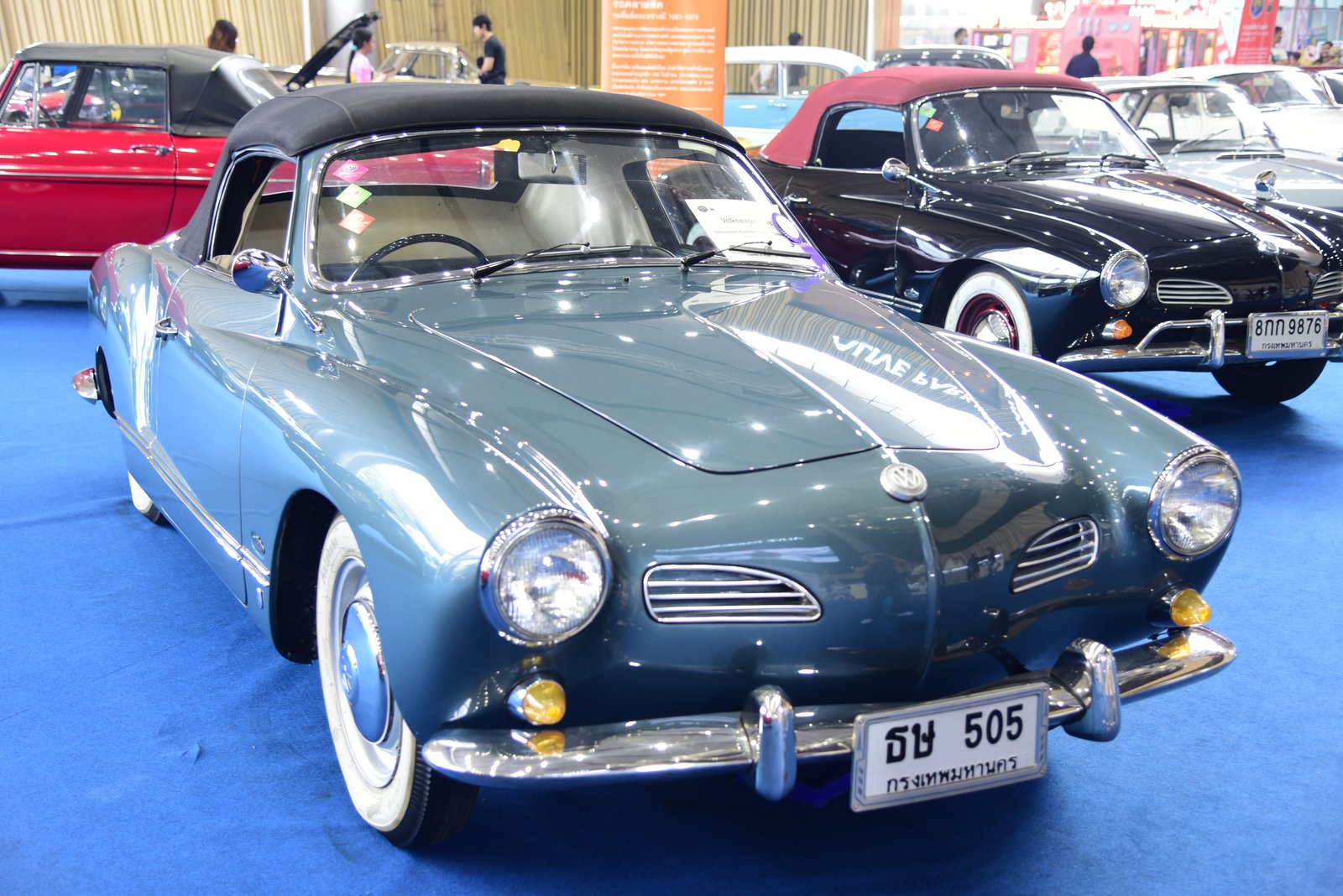
1963 · Type 14 Ghia / Type 34 Ghia
1963 Type 14 Ghia / Type 34 Ghia
We hold 4 records for the 1963 Type 14 Ghia / Type 34 Ghia: 3 body styles, specifications and factory colours. No story has been published for this year.
Image: Coolalabright · Recorded license: CC-BY · Representative image; manifest year 1963. Exact configuration remains unverified.
Real Stories
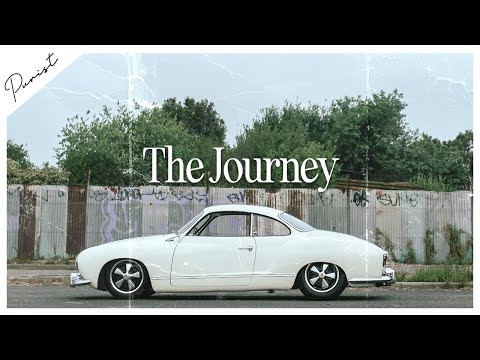
We hold 4 records for the 1963 Type 14 Ghia / Type 34 Ghia: 3 body styles, specifications and factory colours. No story has been published for this year.
1963 body styles
1963 Convertible
Reference only
- Engine:
- 1192cc
- Power:
- Not recorded
- Body style:
- 2-door convertible
- BlackL41
- Gulf BlueL390
1963 Coupe
Identity under review
1963 Type 34 Coupe
Reference only
- Engine:
- 1493cc
- Power:
- Not recorded
- Body style:
- 2-door coupe
- BlackL41
- Gulf BlueL390
Factory colours recorded for 1963
Paint codes whose recorded availability covers 1963, from the VWX colour reference. They are not tied to any record on this page; year applicability remains under review.
- Mouse GreyL3251963
- MossL5141963
- EmeraldL5321963
- Birch GreenL5111962-1963
- TurquoiseL3801961-1963
- Gulf BlueL3901961-1963
- Beige GreyL4721961-1963
- Pacific BlueL3961962-1966
- Ruby RedL4561961-1965
- Mango GreenL3461958-1963
- Jade GreenL3491958-1963
- AlabasterL4731958-1963
Nearby years
Explore the ecosystem
Some of this works today. Some of it is still an idea. The chips say which.