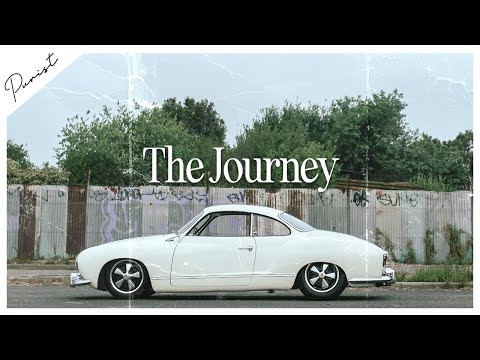
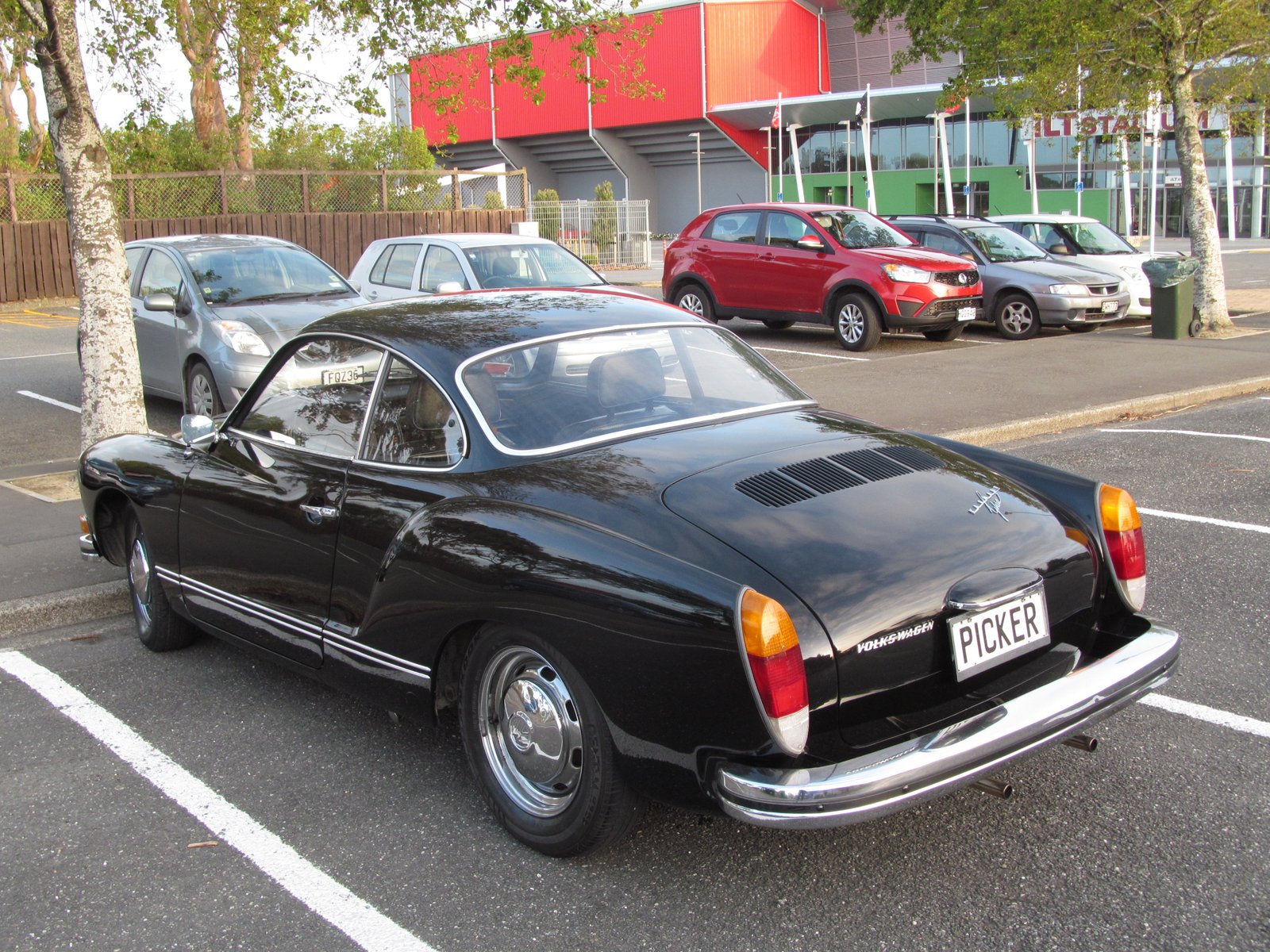
1974 Type 14 Convertible
2-door convertible

1974 Type 14 Convertible

1584cc
Displacement
50HP
Power
N/A
Top Speed
1974 Type 14 Convertible profile

Real Stories

VW Karmann Ghia 'lowlight' Debut
1974 Type 14 Convertible exterior view

Factory exterior

1 / 1
Type 14 Convertible

1974 Karmann Ghia

The 1974 Karmann Ghia convertible was the last one. After this model year, the open Karmann Ghia was finished. After 17 years of convertibles, the line ended quietly, having never needed to shout.

When the 1974 Karmann Ghia rolled off assembly lines, it carried forward a design philosophy that had survived recessions, cultural upheaval, and the endless march of automotive fashion. Type 14 Karmann Ghia Karmann Ghia Convertible (Final Production) represented that moment perfectly, a bridge between the elegant restraint of yesterday and the evolving sensibilities of its era.

Read the Full Story

Engineering.

The air-cooled flat-four that powered the 1974 Type 14 Convertible. Simple, reliable, and endlessly modifiable.

1584cc

Air-cooled flat-4

The air-cooled flat-four engine that powered a generation. Code AD.

Power
50 HP
Fuel
Carburetor

Valuation Resources

Research current market values for the 1974 Type 14 Convertible

Buying tip: Condition is everything. A rusty "project" can cost more to restore than buying a finished car. Check heater channels, floor pans, and battery tray first.

Sunrise Yellow

L10Asolidlimited

Factory Colors

Original paint options available for the 1974 Type 14 Convertible.

solid Colors

Looking for a 1974 Type 14 Convertible in Sunrise Yellow?

Find for Sale

Which 1974 Karmann Ghia fits your style?

Explore the variants available for this model year and find your perfect match.

Want to see a detailed comparison of multiple vehicles?

Compare all variants

Verify Authenticity

Numbers matching verification increases value by 20-40%. Use our tools to verify engine codes, chassis numbers, and M-codes for your 1974 Type 14 Convertible.

Correct Engine CodeAD

The Full Story

Introduction

When the 1974 Karmann Ghia rolled off assembly lines, it carried forward a design philosophy that had survived recessions, cultural upheaval, and the endless march of automotive fashion. Type 14 Karmann Ghia Karmann Ghia Convertible (Final Production) represented that moment perfectly, a bridge between the elegant restraint of yesterday and the evolving sensibilities of its era.

What It Was

The Karmann Ghia never competed on horsepower or size. It competed on something more fundamental: the belief that how you design a car says something about who you are as a designer, and by extension, who you are as a driver. In 1974, when everything else was getting bigger and noisier, the Karmann Ghia stayed itself. Restrained. Purposeful. Elegant.

The engine? Straight from the Beetle. A 1,300-1,500cc air-cooled flat-four, depending on year and market. Nothing revolutionary. But that was precisely the point. The Karmann Ghia proved that excellence didn't require extreme power, just thoughtful engineering and beautiful design. Every component earned its place through function and form in equal measure.

What Made It Special

Beneath that graceful body, the torsion bar suspension meant every corner was an interaction, not a fight. The 4-speed manual transmission meant driving was a conversation. The leather-trimmed steering wheel, the simple and elegant dashboard, the seats designed for actual human comfort rather than maximum capacity,these weren't luxury touches in a Beetle costume. They were design choices that said: we respect you as a driver.

For original owners in 1974, this meant something specific. For teenagers decades later discovering these cars at used lots in the 1980s and 90s, it meant something equally real but different. Here was proof that cool didn't require expense, that style didn't require shouting, that a car could be authentic without being impractical.

Cultural Context

That Karmann Ghia in 1974? It might have been your first date destination. Or your older sibling's car you borrowed desperately and felt like an adult driving. Or the car you saw once and couldn't stop thinking about. For collectors today, these cars represent something increasingly rare: design that didn't compromise, engineering that didn't lie, a moment when "good enough" wasn't acceptable but "excess" wasn't either.

The cultural moment of 1974 lives in these cars. The music on the radio then, the films you saw, the clothes you wore, the conversations about where the world was heading,all of that shaped why the Karmann Ghia mattered then and why it matters now. Not primarily for what it's worth in dollars, but for what it was worth in meaning.

Check Hagerty (hagerty.com) for current market values, but the real value of this car? That lives in the stories people tell about them. The first kiss, the road trip, the summer that changed everything. Maybe you have a story. Maybe you're looking for one. Either way, that's why the 1974 Karmann Ghia still turns heads.

How It Drove

With the top down, the 1600cc air-cooled engine is neither seen nor heard at a distance. You are. That is partly the point. The 57 horsepower propels you forward with deliberate unhurriedness. The 4-speed manual gives your hands something purposeful to do.

The torsion bar suspension transmits the road honestly, neither filtered nor amplified. Zero to sixty takes about 16 seconds. Nothing to apologize for. What you lose in acceleration you recover in something harder to measure: the specific pleasure of open air, morning light, and a machine that does exactly what you ask.

Who Bought It

The 1974 convertible buyer was buying the final example of an open-air tradition that stretched back to 1957. Twenty years of convertible Karmann Ghias. After this, nothing equivalent would come from Wolfsburg.

The buyers who chose the 1974 convertible were, knowingly or not, making a choice that history would validate. These cars have appreciated consistently. The people who kept them are not surprised. They had a feeling about this one.

Buying Today

Start under the car, not with the paint. Floor pans on a 1974 Karmann Ghia range from solid to gone, and the difference is the difference between a driver and a restoration. A proper PPI from a VW specialist is not optional on a car of this age and significance.

The 1974 is the final model year, and the market knows it. These cars have appreciated steadily as collectors recognize the historical endpoint. Parts availability remains strong through the VW aftermarket — the mechanical platform is Beetle-derived and well-supported.

Driver quality: $20,000-32,000. Show quality: $42,000-70,000. Convertibles command a 30-40% premium over comparable coupes and that gap has widened consistently over the past decade. The final-year premium is real and has widened as collectors pay for historical significance alongside mechanical quality.

The Verdict

The 1974 Karmann Ghia convertible was the last open-air Karmann Ghia ever built. After this, the line ended. After 1974, VW moved on to sensible front-wheel-drive cars that were better in almost every objective measure and produced not a fraction of this attachment.

Buy it because it is the end of something singular. Drive it because, end of the line or not, it is still honest and still beautiful and still does exactly what it was built to do. Keep it because in ten years you will be very glad you did.