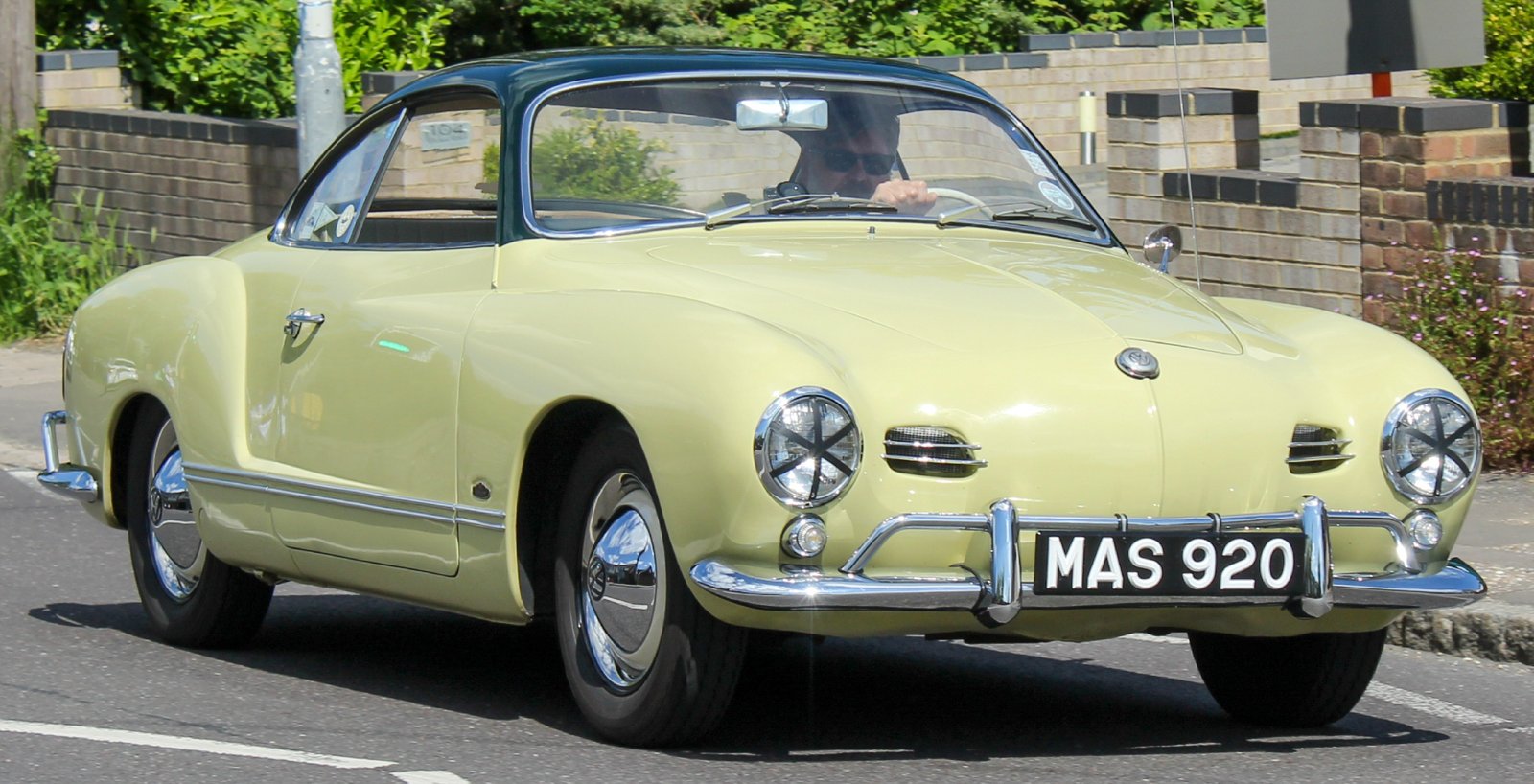
1959 Type 14 Convertible

1192cc • 30 HP • 2-door convertible

1959 Type 14 Convertible

The 1959 Karmann Ghia Convertible came at the end of the Eisenhower era. America was about to reinvent itself. The Karmann Ghia was simply being consistent — which in 1959 was its own kind of achievement.

Real Stories

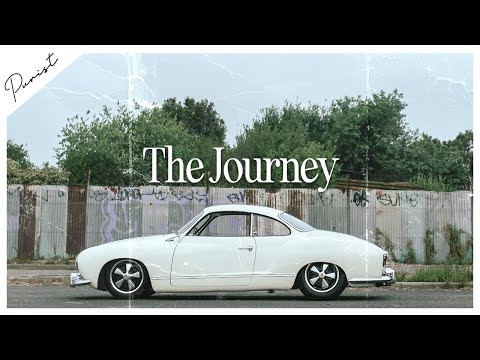
VW Karmann Ghia 'lowlight' Debut

Technical Specifications

Engine

Displacement
1192cc (1.192L)
Configuration
Air-cooled flat-4
Power
30 HP
Engine Code
M28

Performance

0-60 mph
N/A
Top Speed
N/A
Fuel Economy
N/A

Drivetrain

Transmission
4-speed manual
Drive Type
RWD

Chassis

Front Suspension
Torsion bar
Rear Suspension
Swing axle
Brakes
Drum front and rear
Steering
Worm and roller

Dimensions

Factory Colors

Black
L41

Verify Authenticity

Numbers matching verification increases value by 20-40%. Use our interactive tools to verify engine codes, chassis numbers, and M-codes against production data for your 1959 Type 14 Convertible.

Correct Engine Code
M28
Valid Engine Codes
M28

The Full Story

Swipe to explore the story of the 1959 Type 14 Convertible

Image placeholder

Introduction

When the 1959 Karmann Ghia rolled off assembly lines, it carried forward a design philosophy that had survived recessions, cultural upheaval, and the endless march of automotive fashion. The Karmann Ghia Convertible represented that moment perfectly — a bridge between the elegant restraint of yesterday and the evolving sensibilities of its era.

Five years of Karmann Ghia production had produced a car that was better without being different. Accumulated experience at the Osnabrück coachworks meant consistent execution. The design that Luigi Segre had proposed and Karmann had built was still exactly right.

The world was changing. The car was simply itself.

What It Was

The Karmann Ghia never competed on horsepower or size. It competed on something more fundamental: the belief that how you design a car says something about who you are as a designer, and by extension, who you are as a driver. In 1959, when everything else was getting bigger and noisier, the Karmann Ghia stayed itself. Restrained. Purposeful. Elegant.

The convertible remained what it had been since 1957: a properly engineered cabriolet, not a coupe with its roof removed. The structural reinforcement was integral. The soft top mechanism was reliable. The body was tight.

Ghia's design continued to age in the right direction — toward timelessness rather than datedness. The shapes that had seemed unusual in 1955 were now recognized as correct. The market was catching up.

Image placeholder
Image placeholder

What Made It Special

Beneath that graceful body, the torsion bar suspension meant every corner was an interaction, not a fight. The four-speed manual transmission meant driving was a conversation. The leather-trimmed steering wheel, the simple dashboard — honest choices from people who respected the driver.

The 1192cc air-cooled engine provided the same modest output it always had. The convertible experience transformed those numbers — with the top down, the engine was part of the environment, the sound adding to the experience rather than being something to muffle.

Karmann's craftsmanship was fully mature. The coachbuilding that had been developing since 1955 produced cars that were consistent, well-fitted, and genuinely fine. Not expensive-fine. Honest-fine.

How It Drove

The 1959 Convertible drove with the accumulated confidence of a design that had found its purpose. Nothing was uncertain here. The gearshift was direct. The steering was honest. The brake pedal told you what was happening.

In open-air configuration, the experience was complete: road, wind, engine note, the sense of moving through the world rather than being transported through it. The distinction matters enormously to people who understand why convertibles exist.

With the top up — in the rain, in winter, at night — the car remained composed. Good visibility, comfortable seats, adequate heat from the engine-air system. A real car for real use, not a seasonal toy.

Image placeholder
Image placeholder

Cultural Context

That Karmann Ghia Convertible in 1959 might have been your first date destination. Or your older sibling's car you borrowed desperately and felt like an adult driving. Or the car you saw once and couldn't stop thinking about.

1959 was the year Buddy Holly died — February 3rd, the Day the Music Died. Alaska became the 49th state, Hawaii the 50th. The decade was ending with inventory-clearing energy. What was coming was not yet visible.

The Karmann Ghia belonged to the world that was ending and the one that was beginning, which is why it survived both. Understated European elegance was the correct aesthetic for people who wanted to think clearly about where they were going.

Who Bought It

By 1959, the Karmann Ghia buyer profile was well-established in America. Design professionals. Young women with European sensibilities. Men who had been to Italy. People who rejected the Detroit aesthetic for reasons they could articulate clearly.

The convertible specifically attracted buyers who understood open-air motoring as an experience rather than a statement. They weren't buying it to be seen. They were buying it to feel the drive.

The stories these cars generate are disproportionate to their production numbers. More first kisses, more road trips, more formative summers. That's what happens when a car attracts buyers who are fully present for the experience.

Image placeholder
Image placeholder

Buying Today

The 1959 Convertible is scarce and valued. Open-body designs survive at lower rates than coupes — weather gets in, floors rot, tops deteriorate. Finding a good one requires patience.

Prioritize structural integrity over aesthetics. A car with solid floor pans and sound heater channels that needs a respray and new soft top is recoverable and worth buying. A car with beautiful paint over rusted steel is a trap.

The mechanical platform is well-supported and straightforward. Check Hagerty for current valuations. Early convertibles have appreciated consistently and the trajectory continues.

The Verdict

The 1959 Karmann Ghia Convertible represents design that chose correctly, once, and then held that choice for two decades. The convertible variant is the open-sky version of that argument.

These cars exist now as they existed then: small, honest, beautiful, built by craftsmen who cared. That hasn't changed. The right buyer will recognize it immediately.

Top down. The engine behind you. The right road ahead. That's been the verdict since 1959.

Image placeholder
Swipe or use arrow keys to explore

Browse by Year