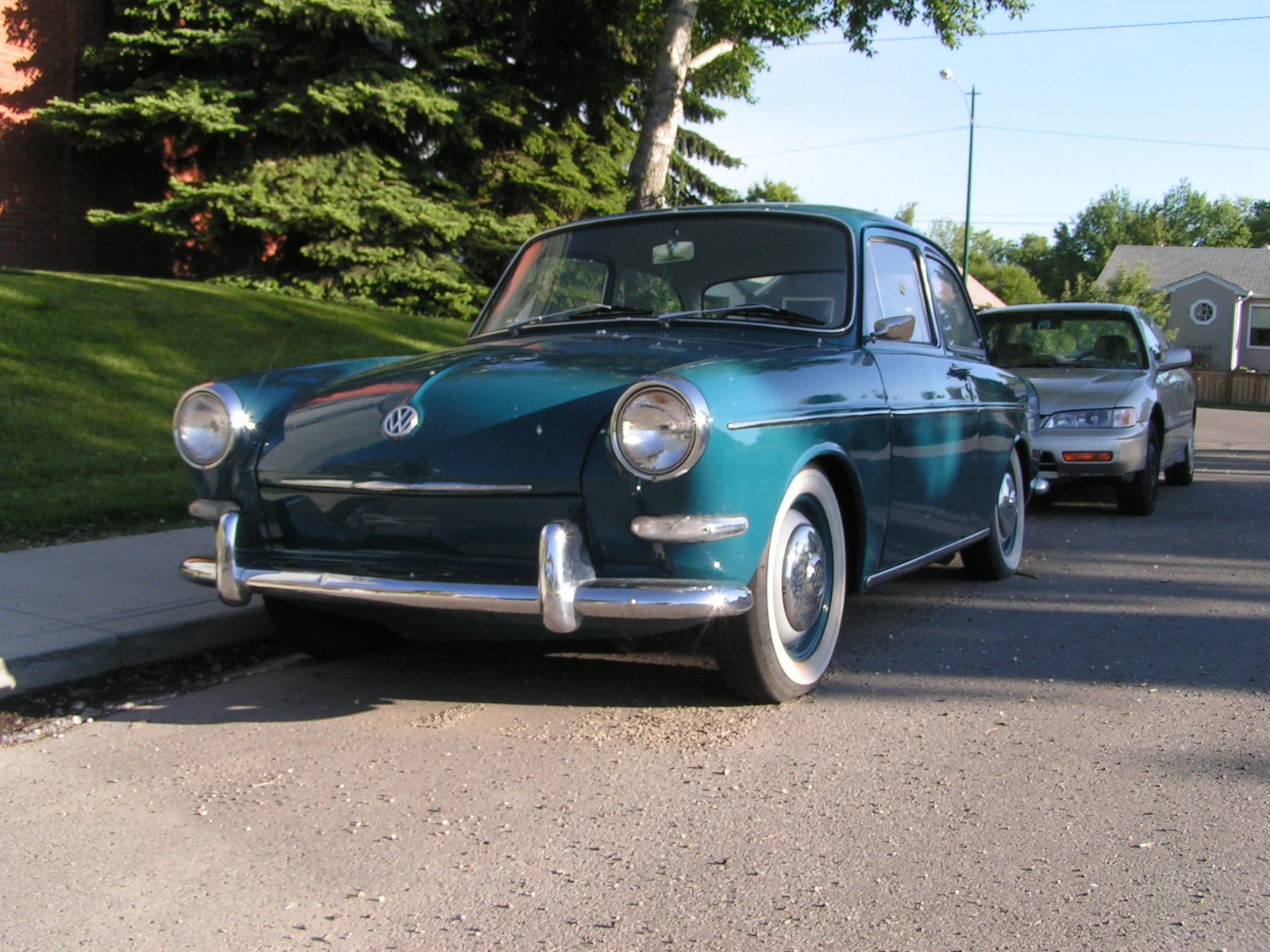
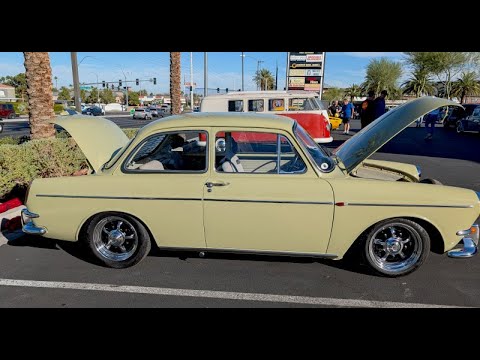
1968 Fastback (Type 3)

1584cc • 53 HP • 2-door fastback

1968 Fastback (Type 3)

Real Stories

1964 VW Notchback

The Story

astback proportions. Hatch opening. Elegant design.

Model Information and History

What Made It Special

Pancake engine. Fastback innovation.

How It Drove

Cargo flexibility.

Cultural Context

1968 represented chaos. Type 3 offered practical stability.

Verdict

Original owners made intelligent practical choice.

Gen X appreciated overlooked innovation.

Today's collectors value practical design.

Buying Today

Fastback production near completion.

What Made It Special

The 1968 Fastback represented VW's sophisticated engineering advancement that market underappreciated but enthusiasts now recognize as innovation ahead of its time. The Fastback was hatchback before America knew it wanted one. Sloping roofline, rear cargo access, sophisticated styling. VW proving they could innovate beyond Beetle simplicity. The market didn't fully appreciate it—sales were modest, recognition limited. But the Fastback demonstrated VW's engineering sophistication: more refined than Beetle, more practical than sports car, more innovative than Detroit sedans. That innovation-despite-market-indifference makes Fastbacks significant: they proved VW could advance engineering sophistication even when market wasn't demanding it.

The Type 3 line demonstrated VW could innovate: pancake engine (flat-four laid horizontally enabling dual trunks front and back), independent rear suspension (more sophisticated than Beetle's swing axle on later models), available fuel injection (electronic D-Jetronic pioneering technology), refined interior (more upscale than Beetle without pretension), sophisticated styling (Ghia influence visible in proportions and details). Every aspect proved VW was engineering company capable of advancement while maintaining air-cooled simplicity, German quality, and honest design values.

The 1968 Fastback served buyers wanting sophistication without abandoning VW values: young professionals needing grown-up Beetle, young families requiring cargo space with continued German reliability, design-conscious buyers appreciating Ghia-influenced styling, technology enthusiasts valuing fuel injection innovation (on equipped models). The Type 3 proved you could advance sophistication while maintaining engineering integrity—exactly what Type 3 voice emphasizes: "Practicality and style can be the same impulse."

Verdict

Original 1968 Type 3 buyers chose sophisticated innovation despite market indifference. They recognized what most missed: VW could build advanced vehicles maintaining German engineering excellence. The Type 3 wasn't compromise between Beetle and luxury—it was synthesis: Beetle reliability plus sophisticated advancement. Today's collectors recognize Type 3s as underappreciated innovators: vehicles proving VW's engineering breadth, demonstrating advancement within values, showing sophistication compatible with air-cooled honesty.

The Type 3 line (1961-1973) pioneered technologies that became automotive mainstream: hatchback cargo access (Fastback), practical wagon utility (Squareback), electronic fuel injection (D-Jetronic models from 1968), dual-trunk versatility (pancake engine enabling front and rear storage). Market underappreciated these innovations when new. Collectors appreciate them now as proof that VW was forward-thinking engineering company capable of sophisticated advancement while maintaining core values: air-cooled simplicity, German quality, honest design, owner-serviceability.

The 1968 Fastback represents Type 3's sophisticated practicality: engineering innovation serving real-world utility, styling advancement maintaining honest design, technology pioneering preserving mechanical accessibility. That combination—sophisticated innovation within consistent philosophy—makes Type 3s significant despite original market underappreciation. They proved practicality and sophistication weren't contradictory when engineering was intelligent and design was honest. That wisdom—advance while maintaining principles, innovate within philosophy, grow without abandoning identity—makes Type 3s philosophically significant beyond their underappreciated-when-new status.

477 words • ~3 min read

Reference

Engine

Displacement
1584cc (1.584L)
Configuration
Air-cooled 'pancake' flat-4
Power
53 HP
Engine Code
Type 3

Performance

0-60 mph
N/A
Top Speed
N/A
Fuel Economy
N/A

Drivetrain

Transmission
4-speed manual / 3-speed automatic
Drive Type
RWD

Chassis

Front Suspension
Torsion bar
Rear Suspension
Swing axle
Brakes
Drum front and rear
Steering
Worm and roller

Dimensions

Community Resources

Community

Connect with 1968 Fastback (Type 3) owners & experts

Discussions

Soon

Questions, advice, and stories from the community

Photo Gallery

Soon

Owner photos and restoration progress shots

Find a Specialist

Soon

Mechanics and restorers who know this model

Owner Registry

Soon

Connect with other owners near you

Community features coming soon. We're building tools for owners to share knowledge, photos, and connect with specialists. Want early access? Get in touch.

Verify Authenticity

Numbers matching verification increases value by 20-40%. Use our interactive tools to verify engine codes, chassis numbers, and M-codes against production data for your 1968 Fastback (Type 3).

Correct Engine Code
Type 3
Valid Engine Codes
Type 3