Reference review: source-recorded details; historical accuracy has not been comprehensively verified.
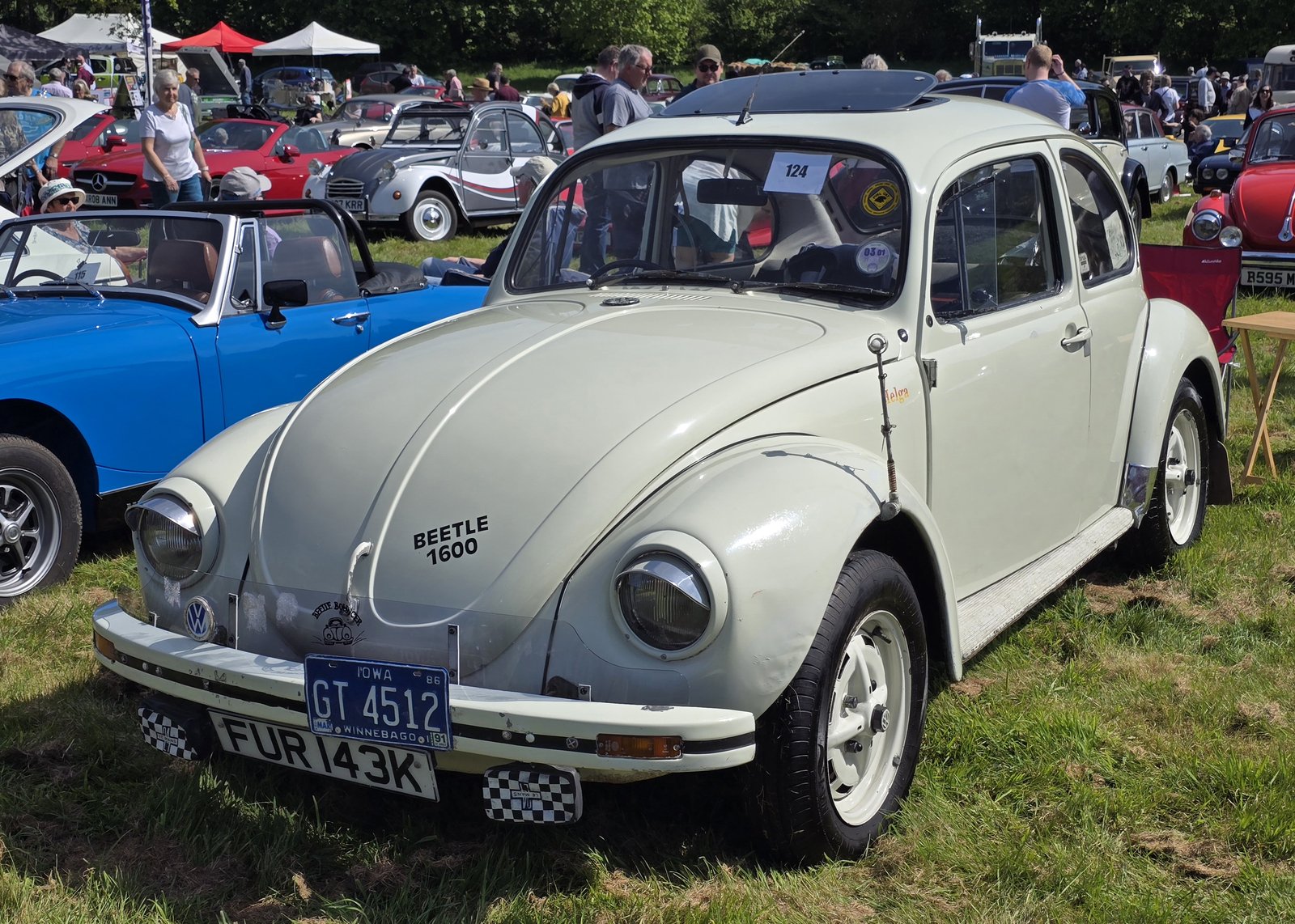
1970 · Beetle
1970 Beetle
Every 1970 Beetle record we hold — 3 Super Convertible entries, 2 Super Sedan entries — is under identity review. VWX does not pick one.
Real Stories
Every 1970 Beetle record we hold — 3 Super Convertible entries, 2 Super Sedan entries — is under identity review. VWX does not pick one.
The records conflict. Rather than choose one and call it history, we leave both visible and say so.
1970 body styles
1970 Super Convertible
Identity under review
1970 Super Sedan
Identity under review
Factory colours recorded for 1970
Paint codes whose recorded availability covers 1970, from the VWX colour reference. They are not tied to any record on this page; year applicability remains under review.
- Deep Sea GreenL66D1970
- Cobalt BlueL6301969-1970
- ChinchillaL70F1969-1970
- Elm GreenL60D1970-1972
- Pastel WhiteL90D1970-1972
- Yukon YellowL19K1968-1970
- Cloud WhiteL5811968-1970
- Savanna BeigeL6201968-1970
- Ravenna GreenL65K1970-1973
- ClementineL20D1969-1972
- Diamond BlueL50B1969-1972
- Irish GreenL60E1969-1972
Nearby years
Explore the ecosystem
Some of this works today. Some of it is still an idea. The chips say which.