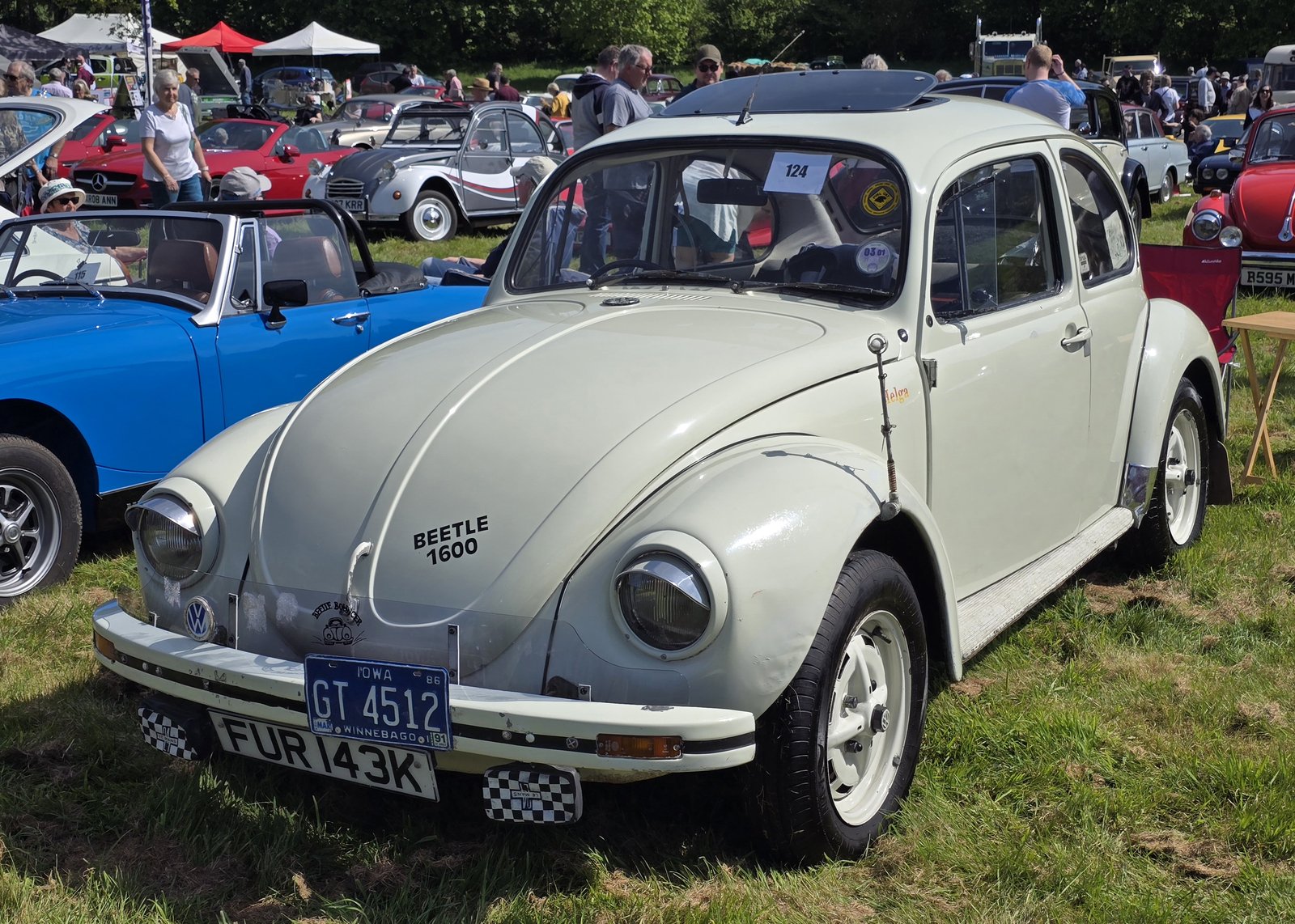
1600cc • 60 HP • 2-door sedan

1971 Beetle

Real Stories

1949 VW Split Window Beetle - German Border Patrol
11:49

The Story

971: The Super Beetle entered its first full production year with MacPherson strut suspension, curved windshield, and significantly larger front trunk. VW marketed it as modern evolution—better handling, more space, refined ride. But the soul remained unchanged: air-cooled engine, mechanical simplicity, owner-serviceability, environmental efficiency. The Super Beetle proved you could innovate substantially while maintaining core identity. That balance—meaningful advancement within consistent philosophy—answered environmental movement's central question: Can we progress without abandoning sustainable values? The Super Beetle demonstrated yes, when engineering is intelligent and honest.

Model Information and History

What It Was

The Super Beetle's curved windshield and bulging hood distinguished it from standard Beetles. The design changes were purely functional—MacPherson suspension required more front-end space, and VW didn't hide that with styling gimmicks. The bulge was honest: this is what modern suspension looks like. That transparency aligned with Beetle tradition: form follows function, never disguise engineering with cosmetic tricks. The environmental movement appreciated that honesty—no wasteful styling, just functional design serving improved performance.

The overall proportions remained recognizably Beetle despite the changes. Rounded fenders, upright profile, minimal chrome—twenty-two years of visual DNA showing through modern updates. The Super Beetle looked related to 1949 originals while incorporating genuinely improved engineering. Paint colors offered environmental-era choices: earth tones, subdued greens, practical blues. Colors suggesting ecological consciousness rather than excess. The interior featured upgraded materials and improved ergonomics—refinement serving function.

The Super Beetle represented sophisticated environmental design. The MacPherson suspension improved handling, making highway travel safer and more efficient. The larger front trunk enabled longer trips with more luggage, potentially replacing short flights. The curved windshield improved aerodynamics, reducing drag and improving fuel economy. Every design change served environmental ends: better efficiency, improved functionality, maintained simplicity. That's intelligent ecological engineering—improve performance while maintaining sustainable values.

What Made It Special

The Super Beetle's MacPherson strut front suspension was genuine engineering advancement. The system provided better handling through superior geometry, larger front trunk from space efficiency, improved ride quality from reduced unsprung weight, easier serviceability with readily-available components. But the core remained unchanged: same air-cooled flat-four engine (1300cc or 1600cc options), same fundamental simplicity, same owner-serviceability. VW proved you could modernize meaningfully without compromising core values.

The 1600cc engine option (replacing 1500cc) produced 60 HP—50% more than the original 1200cc's 40 HP. But the power increase came with maintained fuel efficiency (still 30+ mpg), continued air-cooled simplicity (no radiator/coolant complexity), and preserved owner-serviceability (same basic maintenance procedures). Environmental critics worried that more power meant more consumption. The Super Beetle demonstrated otherwise: intelligent engineering could improve performance AND maintain efficiency through better design rather than just larger displacement.

The air-cooled design remained environmentally superior. No coolant to dispose of or leak into groundwater. No antifreeze contaminating ecosystems. No radiator to manufacture and eventually scrap. The simplicity reduced environmental impact across the product lifecycle—fewer components to manufacture, simpler maintenance reducing waste, longer lifespan reducing disposal frequency. The Super Beetle proved environmental values could drive sophisticated engineering rather than just constrain it.

The MacPherson suspension used readily-available components that could be sourced and serviced locally—reducing transportation environmental impact. The design was accessible enough that competent home mechanics could rebuild front suspension with basic tools and manuals. That owner-serviceability aligned with environmental movement's emphasis on self-sufficiency, local solutions, reduced dependency on corporate service systems. The Super Beetle was environmental engineering expressed through mechanical accessibility.

Cultural Context

1971: Nixon continued Vietnam War despite promising peace. Pentagon Papers revealed government lies—what protesters claimed was proven true. 26th Amendment lowered voting age to 18—acknowledging youth political power. Attica Prison uprising ended in massacre. Indo-Pakistani War created Bangladesh. Voting Rights Act renewed. Environmental consciousness was strengthening—Clean Air Act 1970 regulations taking effect, EPA growing more powerful, ecological awareness becoming policy rather than just protest.

American car culture in 1971 was fragmenting. Muscle cars faced emission regulations reducing power. Luxury cars still prioritized size but faced fuel economy questions. Environmental movement was challenging automotive assumptions: Did progress require horsepower? Did advancement require size? Could ecological responsibility produce better engineering rather than just constraints? The Super Beetle offered answers: environmental values could drive genuine innovation.

The Super Beetle represented environmental engineering sophistication. It improved Beetle capabilities—better suspension, more space, refined ride—while maintaining environmental benefits: fuel efficiency, longevity, owner-serviceability, anti-obsolescence durability. That demonstrated ecological thinking as driver of progress rather than just limitation. You could improve performance AND reduce impact through intelligent design. You could advance engineering AND maintain sustainable values through honest development. That message was powerful in 1971 when environmental regulations were forcing automotive industry to rethink assumptions.

The Super Beetle proved environmental engineering could be sophisticated advancement rather than forced compromise. Better suspension improved safety and efficiency. Larger trunk enabled sustainable travel alternatives. Improved aerodynamics reduced fuel consumption. Maintained simplicity preserved owner-serviceability. Every change served environmental values while improving function. That's how environmental consciousness should drive engineering: toward better solutions, not just acceptance of less. The Super Beetle demonstrated it was possible.

How It Drove

Climbing into the Super Beetle meant experiencing refined environmental engineering. The curved windshield improved visibility and aerodynamics. The MacPherson suspension delivered smoother ride and better handling. The larger front trunk accommodated camping gear for back-to-nature trips, luggage for long road trips replacing flights, supplies for sustainable living. Every improvement served environmental values: enable alternatives to flying, facilitate nature connection, improve efficiency through design sophistication.

The controls retained Beetle mechanical directness. The steering communicated road feel through improved suspension geometry. The gearshift remained precise and engaging. The clutch was progressive and honest. Everything maintained mechanical transparency while improving performance. That balance—innovation within principles—exemplified sophisticated environmental thinking. You could improve significantly without abandoning core values. You could modernize without compromising identity.

The interior space gained from MacPherson suspension. The larger front trunk transformed the Super Beetle's practical utility—week-long camping trips became feasible with better gear capacity, cross-country road trips replaced short flights, moving to rural communes carried more supplies. The improved handling made long-distance travel less fatiguing. The refined ride made sustainable transportation choices more comfortable. Every improvement enabled environmental lifestyle choices: reduce flying, connect with nature, live more sustainably. That's environmental engineering serving values.

Living with a Super Beetle in 1971 meant experiencing environmental sophistication. The environmental movement was maturing from protest to policy—Clean Air Act strengthening, EPA establishing regulations, ecological consciousness becoming mainstream. The Super Beetle demonstrated how environmental values could drive engineering progress: better suspension serving safety and efficiency, larger trunk enabling sustainable travel, improved aerodynamics reducing fuel consumption. Environmental engineering as advancement rather than restriction.

Who Bought It

By 1971, the Beetle's American buyer had developed a profile clear enough to describe with some precision. Younger than the average American car buyer. Better educated. More likely to be female. More likely to live in a city or close suburb. The 60-horsepower 1600cc Super Sedan attracted the deliberate purchaser — someone who had looked at the Chevrolet Nova and the Ford Maverick and concluded that neither quite understood what a car was supposed to be. VW was approaching 400,000 US sales annually. The counterculture had moved on; the Beetle had not. It was still the same car, which was, increasingly, the thing most other manufacturers couldn't say. Buyers in '71 appreciated the consistency. Reliability, in a complicated year, was its own kind of virtue.

Buying Today

The Super Beetle's first full production year established it as mainstream Beetle variant rather than specialty model. Production volumes were significant. Quality was superb. The MacPherson suspension proved reliable. The larger trunk proved popular. The improved handling won converts among buyers who'd considered Beetles too basic. The Super Beetle expanded VW's market without abandoning core customers—standard Beetles continued production for buyers preferring traditional simplicity. That choice respected customer diversity while demonstrating engineering could advance within consistent philosophy.

The 1971 Super Beetle represented VW's commitment to continuous improvement meeting environmental era. The MacPherson suspension was substantial innovation. The functional improvements were meaningful. But the environmental values remained central: fuel efficiency, longevity, owner-serviceability, anti-obsolescence durability. The Super Beetle proved those values could drive advancement rather than just constrain it. That's environmental engineering sophistication: use ecological consciousness as motivation for better design, not just acceptance of less.

Verdict

Original 1971 Super Beetle buyers chose sophisticated environmental engineering. They valued ecological consciousness but rejected the idea that environmentalism meant accepting inferior performance. The Super Beetle provided proof: better handling AND maintained fuel economy, more space AND same simplicity, improved ride AND preserved environmental values. These buyers understood that ecology and engineering could advance together through intelligent design rather than just restriction and limitation.

Enthusiasts recognize the Super Beetle's first full production year as establishing template for environmental innovation. The MacPherson suspension was genuine advancement. The improved functionality was meaningful. But the core environmental values remained: air-cooled simplicity, fuel efficiency, longevity, anti-obsolescence. The Super Beetle proved innovation compatible with identity—you could evolve dramatically while maintaining principles. That balance resonates with collectors who value both advancement and authenticity.

Today's restorers value 1971 Super Beetles because they represent environmental sophistication. The car proves ecological values can drive innovation rather than just constraint. Modern environmental discourse often presents sustainability as requiring sacrifice. The Super Beetle demonstrated otherwise: intelligent design improves function while reducing impact. Honest engineering advances capability while maintaining principles. Restoring a 1971 Super Beetle preserves that lesson: environmental responsibility and engineering progress aren't contradictory when thinking is sophisticated and design is honest.

1,533 words • ~8 min read

Reference

Engine

Displacement
1600cc (1.6L)
Configuration
Air-cooled flat-4
Power
60 HP
Engine Code
Dual-port 1600

Performance

0-60 mph
N/A
Top Speed
N/A
Fuel Economy
N/A

Drivetrain

Transmission
4-speed manual / 3-speed AutoStick
Drive Type
LHD/RHD available

Chassis

Front Suspension
MacPherson strut
Rear Suspension
IRS
Brakes
Drum front and rear
Steering
Worm and roller

Dimensions

Community Resources

Community

Connect with 1971 Beetle owners & experts

Discussions

Soon

Questions, advice, and stories from the community

Photo Gallery

Soon

Owner photos and restoration progress shots

Find a Specialist

Soon

Mechanics and restorers who know this model

Owner Registry

Soon

Connect with other owners near you

Community features coming soon. We're building tools for owners to share knowledge, photos, and connect with specialists. Want early access? Get in touch.

Verify Authenticity

Numbers matching verification increases value by 20-40%. Use our interactive tools to verify engine codes, chassis numbers, and M-codes against production data for your 1971 Beetle.

Correct Engine Code
Dual-port 1600
Valid Engine Codes
Dual-port 1600