1600cc
Displacement
N/A
Power
N/A
Top Speed

Real Stories

1949 VW Split Window Beetle - German Border Patrol
11:49

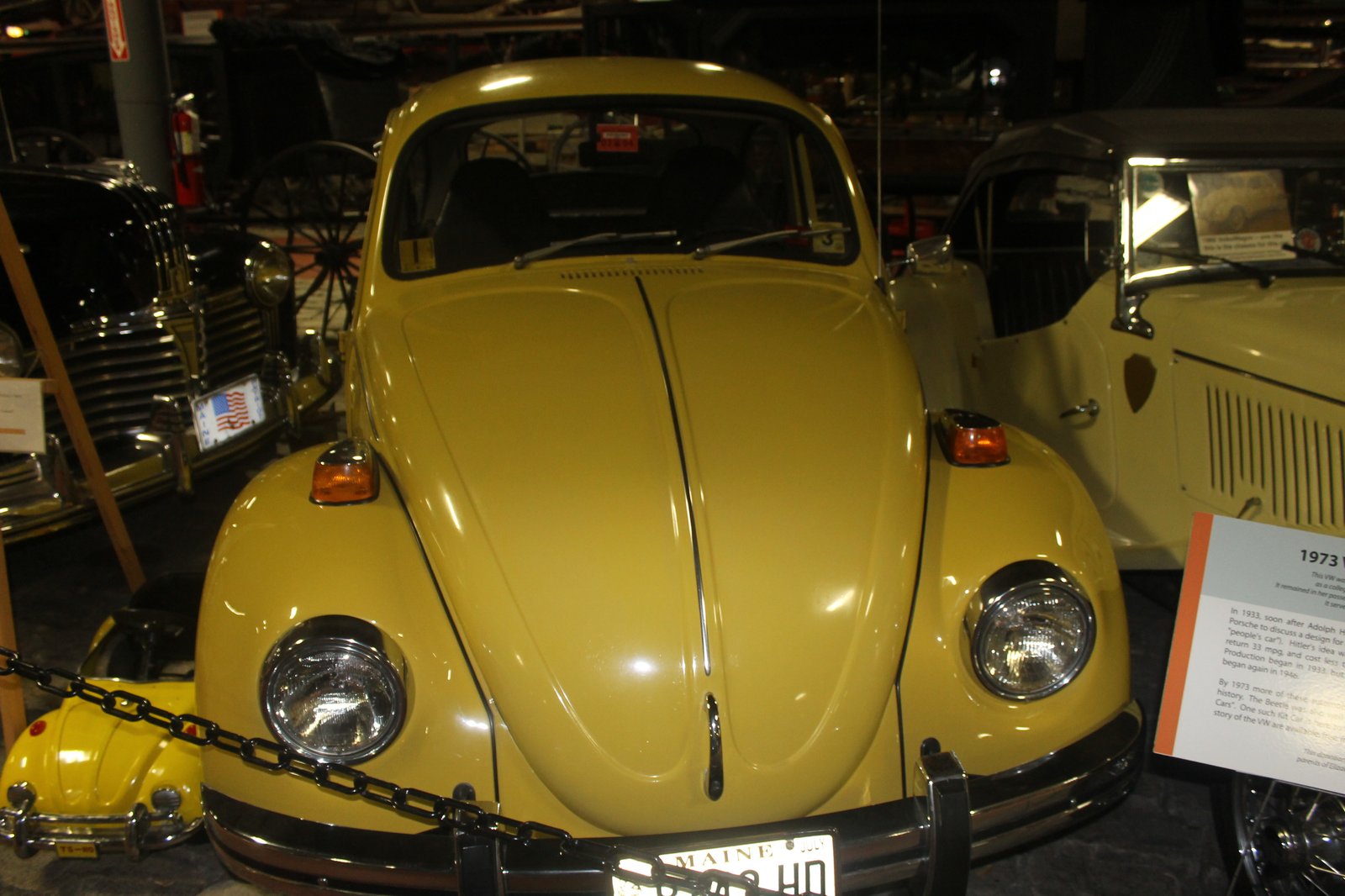
1973 Beetle

October 1973: OPEC oil embargo transformed American automotive conversation overnight. Gas stations ran dry. Rationing began. Lines stretched for blocks. Americans suddenly cared desperately about fuel economy. The Beetle's 40+ mpg wasn't just economical anymore—it was essential. VW didn't change their engineering philosophy during oil crisis. They'd been building efficient cars for twenty-four years. The culture finally recognized what Beetle owners had known all along: "Think Small" wasn't just clever advertising. It was survival strategy. The oil crisis vindicated every Beetle buyer who'd endured ridicule for choosing the "small" car. They'd been right. The crisis just made everyone else realize it.

Read the Full Story

Engineering.

The air-cooled flat-four that powered the 1973 Beetle. Simple, reliable, and endlessly modifiable.

1600cc

Air-cooled

The air-cooled flat-four engine that powered a generation. Code .

Power
N/A
Fuel
Carburetor

Highlights.

Feature

Featured

dual-port, swing axle, irs

Feature

Cultural context

counterculture, muscle car

Feature

Feature 3

The '73 Beetle wasn't special because it changed—it was special because it refused to.

Engine

Engine Size

1600cc (1.6L) Air-cooled flat-4

Quick Facts — 1973 Beetle

  • Engine SizeNeeds Review

    1600cc (1.6L) Air-cooled flat-4

  • HorsepowerNeeds Review

    48 HP

  • Total ProductionNeeds Review

    ~1.6 million units (1973 model year)

  • Engine CodeNeeds Review

    AD, AE, AF, AK

  • Body StyleNeeds Review

    2-door sedan

  • TransmissionNeeds Review

    4-speed manual / 3-speed AutoStick

  • Current Market ValueNeeds Review

    Value range: $25,000 to $15,000-20,000 to $8,000-12,000.

    Values from editorial 'Today' section, market conditions vary

  • Cultural SignificanceNeeds Review

    1973 was the year American automotive mythology collided with reality.

  • Common Rust AreasNeeds Review

    Check: heater channels, floor pans

All specifications should be verified before publication.

Top Questions — 1973 Beetle

Refer to the specifications section above for the engine code used in the 1973 Beetle. The engine code is typically stamped on the engine case above the generator. For verification assistance, use our M-Code decoder tool.

Confidence: medium — This information should be verified with additional sources.

The value of a 1973 Beetle varies significantly based on condition, originality, and documentation. Driver-quality examples typically range from lower values, while excellent restored or numbers-matching examples command premiums. Condition, originality, and documentation are the primary value drivers. Always get a professional appraisal for insurance or sale purposes.

Confidence: low — This information requires verification before use.

1973 Beetle models were produced at various Volkswagen factories worldwide. Check the production details above for specific factory information. The factory code can often be identified through chassis number analysis.

Confidence: medium — This information should be verified with additional sources.

Key changes for the 1973 Beetle: four would get in U.S. Beetles. The dual. port heads, 12. volt electrics, and improved ventilation were as modern as the classic Beetle would become. VW was already planning its replacement (the Golf/Rabbit), but the Beetle refused to go quietly. It had survived Hitler, won America's heart, launched a cultural revolution, and was now watching Detroit struggle with the concept of small cars. The Super Beetle existed in parallel, offering more modernity and less purity. The standard Beetle remained for purists and poets. It wasn't evolution—it was refinement through repetition. The same way blues musicians don't evolve the 12. Check the specifications section for complete details about year-to-year evolution.

Confidence: medium — This information should be verified with additional sources.

Common rust areas on a 1973 Beetle include: heater channels, floor pans. The heater channels are structural and expensive to repair. Always inspect these areas carefully before purchase.

The 1974 Beetle received updates from the 1973 model. Check the specifications section above for details about year-to-year evolution. Common changes across model years include safety updates, mechanical refinements, and regulatory compliance features.

Confidence: medium — This information should be verified with additional sources.

A full rotisserie restoration typically costs $25,000-$50,000+ depending on condition and level of finish. Mechanical refresh (engine, brakes, suspension) runs $5,000-$12,000. Bodywork and paint alone can be $8,000-$15,000 for quality work. DIY restorations save labor but require significant time investment (500-1,000 hours). Parts availability is generally good for classic VWs, which helps control costs.

Confidence: low — This information requires verification before use.

Numbers matching (original engine, transmission, and chassis) typically increases value by 20-40% over non-matching examples. However, the premium varies based on overall condition, documentation, and market demand. Use our numbers matching verification tool to check your vehicle.

Confidence: medium — This information should be verified with additional sources.

A well-maintained 1973 Beetle can serve as a daily driver, but consider the age of the vehicle. Modern traffic, safety features, and reliability expectations differ from the era. Regular maintenance, mechanical knowledge, and realistic expectations are essential. Many owners use classic VWs as weekend drivers or hobby vehicles rather than primary transportation.

Confidence: medium — This information should be verified with additional sources.

Yes, parts availability for classic air-cooled Volkswagens is generally excellent. The large enthusiast community and aftermarket support mean most mechanical and body parts are readily available. Some year-specific trim pieces or rare options may be harder to find, but the core mechanical components are well-supported.

Why This Year Matters

Needs Review
  • Featured: dual-port, swing axle, irs
  • Cultural context: counterculture, muscle car
  • The '73 Beetle wasn't special because it changed—it was special because it refused to.
Collector AppealMedium
Restoration ComplexityMedium
Daily Driver SuitabilityMedium

Valuation Resources

Research current market values for the 1973 Beetle

Buying tip: Condition is everything. A rusty "project" can cost more to restore than buying a finished car. Check heater channels, floor pans, and battery tray first.

Which 1973 Beetle fits your style?

Explore the variants available for this model year and find your perfect match.

Want to see a detailed comparison of multiple vehicles?

Compare all variants

Verify Authenticity

Numbers matching verification increases value by 20-40%. Use our tools to verify engine codes, chassis numbers, and M-codes for your 1973 Beetle.

The Full Story

Introduction

October 1973: OPEC oil embargo transformed American automotive conversation overnight. Gas stations ran dry. Rationing began. Lines stretched for blocks. Americans suddenly cared desperately about fuel economy. The Beetle's 40+ mpg wasn't just economical anymore—it was essential. VW didn't change their engineering philosophy during oil crisis. They'd been building efficient cars for twenty-four years. The culture finally recognized what Beetle owners had known all along: "Think Small" wasn't just clever advertising. It was survival strategy. The oil crisis vindicated every Beetle buyer who'd endured ridicule for choosing the "small" car. They'd been right. The crisis just made everyone else realize it.

What It Was

The 1973 Beetle looked exactly as it had for years—twenty-four years of visual continuity that suddenly felt prophetic. The restrained design communicated efficiency through every line. Minimal chrome meant less material consumption. Compact dimensions meant less metal required for construction. Timeless styling meant less planned obsolescence driving unnecessary replacement. Every design choice that had been Beetle tradition revealed itself as environmental wisdom during oil crisis. The car had been built right all along. America just needed energy crisis to recognize it.

Paint colors in 1973 were practical and durable—chosen for longevity, not fashion. The interior featured materials built to last, not impress. Everything communicated anti-obsolescence values that suddenly aligned with national necessity. When gas was scarce, durability mattered. When resources felt finite, longevity mattered. When crisis revealed planned obsolescence as wasteful, the Beetle's twenty-four years of continuous improvement without fundamental redesign felt like moral stance. VW had been building for endurance when Detroit built for disposal. The oil crisis proved which approach was sustainable.

What Made It Special

The 1973 Beetle's 1200cc and 1300cc engines produced modest horsepower (40-50 HP) but exceptional fuel economy (40+ mpg). During oil crisis, that equation flipped from compromise to virtue. The power that seemed inadequate in prosperity felt sufficient in scarcity. The fuel economy that seemed boring felt brilliant when gas cost triple previous prices or wasn't available at all. Same engineering VW maintained for decades, but crisis reframed its meaning. Efficiency wasn't quirk—it was necessity.

The air-cooled design proved perfect for crisis conditions. When gas stations ran dry and repairs were delayed, the simple engine kept running. No coolant to maintain when supplies were scarce. No radiator to fail when replacement parts were unavailable. No complex systems requiring specialty service when everyone was focused on survival. The simplicity VW had maintained for twenty-four years revealed itself as resilience. The car worked when fancier cars failed. That reliability wasn't accident—it was engineering philosophy proven through crisis.

The fuel efficiency was genuine, not marketing claim. Beetle owners drove through oil crisis on half the fuel consumption of American cars. That practical advantage validated twenty-four years of design choices. Every decision VW made—air-cooling over water-cooling, small displacement over large, efficiency over power—revealed itself as prescient during crisis. "Think Small" wasn't just advertising tagline. It was engineering philosophy that proved sustainable when resources became scarce.

Cultural Context

1973: OPEC oil embargo punished US support for Israel during Yom Kippur War. Gas prices tripled. Rationing began in some regions. Lines at gas stations stretched for blocks—fights broke out, stations ran dry, panic buying depleted supplies. American automotive assumptions shattered: bigger wasn't better when you couldn't afford to fill the tank. Power didn't matter when gas wasn't available. Planned obsolescence looked wasteful when resources felt finite. The oil crisis forced Americans to confront what "Think Small" had been teaching since 1959: efficiency is intelligence, restraint is strength, sustainability matters.

Watergate scandal was intensifying simultaneously. Senate hearings revealed Nixon administration corruption. John Dean testified about cover-up. Vice President Agnew resigned over separate scandal. Trust in government was collapsing while trust in energy supply was vanishing. Americans were learning that institutions and systems they'd trusted weren't trustworthy. The Beetle offered contrast: it had been honest for twenty-four years. Its efficiency was real. Its reliability was proven. Its simplicity was transparent. Some things could still be trusted. The Beetle proved it.

The oil crisis transformed automotive conversation. Muscle cars suddenly looked irresponsible. Luxury cars looked wasteful. Planned obsolescence looked obscene when resources felt precious. The Beetle looked prescient. Same car VW had been building for twenty-four years, but crisis revealed its wisdom. Fuel efficiency was necessity. Durability was responsibility. Longevity was environmental and economic virtue. The Beetle embodied all three. Detroit scrambled to build smaller cars. VW just kept building the same honest car they'd always built.

How It Drove

Living with a 1973 Beetle during oil crisis meant experiencing vindication. Friends who'd mocked your "small" car now asked about fuel economy. Neighbors who'd assumed you couldn't afford "real" car now envied your ability to fill tank for $5 instead of $15. Colleagues who'd questioned your judgment now questioned their own gas-guzzlers. The Beetle that required defending in 1965 required no defense in 1973. The oil crisis validated every choice you'd made. The car that prioritized efficiency over power proved that efficiency mattered more than anyone realized.

The interior's simplicity proved advantage during crisis. Nothing complex to break when replacement parts were scarce. Nothing sophisticated to fail when mechanics were overwhelmed. The basic controls, simple systems, accessible maintenance—all became assets when complexity became liability. The Beetle that invited owner understanding meant you could maintain your car when professional service was delayed or unavailable. That self-sufficiency proved valuable when crisis revealed dependency's vulnerability.

Who Bought It

For most of 1973, the Beetle sedan's buyer was the familiar mix: teachers, students, young families, practical minimalists making a sensible choice with good conscience. Then October arrived, and the Arab oil embargo rewrote American automotive priorities overnight. Gas station lines stretched around blocks. American cars drank fuel that cost twice what it had the week before. The Beetle buyer who'd been making a philosophical statement in January was making a financial argument by December — and new buyers arrived who'd never considered a small car before. Some were converts. Some were refugees from larger vehicles. The Beetle was ready for all of them. It had been ready for thirty years.

Buying Today

Model Year 1973 saw Beetle sales surge as oil crisis made fuel efficiency essential rather than optional. VW had been building for this moment for twenty-four years without knowing crisis would come. The engineering philosophy—prioritize efficiency, maintain durability, reject obsolescence—proved perfectly aligned with crisis requirements. That alignment wasn't luck—it was philosophy proven correct. Build right things for right reasons, and rightness endures regardless of specific circumstances. The oil crisis validated VW's approach completely.

Verdict

Original 1973 buyers remember the Beetle as vindication during crisis. They'd chosen efficiency when neighbors bought gas-guzzlers. They'd valued durability when Detroit marketed disposability. They'd prioritized fuel economy when power was presumed more important. Then oil crisis proved them right. The car that seemed like compromise revealed itself as intelligent choice. The friends who'd mocked their Beetle now envied their fuel economy. The neighbors who'd assumed financial limitation now recognized philosophical wisdom. Vindication felt sweet, but it had always been true. The crisis just made everyone else recognize it.

Enthusiasts recognize 1973 as the year when "Think Small" shifted from counterculture tagline to survival necessity. The Beetle had been proving efficiency mattered for twenty-four years. The oil crisis made that proof undeniable to everyone. Understanding the Beetle's cultural significance means understanding 1973 as moment when alternative values became mainstream necessity. The car that had been eccentric choice became intelligent choice became only sensible choice. That transformation validates every buyer who'd been right early.

Today's restorers value 1973 Beetles because they represent values proven through crisis. Every generation faces resource constraints, environmental challenges, moments when excess reveals itself as unsustainable. The 1973 Beetle offers lesson: efficiency is intelligence, restraint is strength, durability is responsibility. Restoring a 1973 preserves that wisdom. The car that proved "Think Small" wasn't just advertising but survival strategy, that demonstrated efficiency mattered more than power, that validated sustainability before sustainability became imperative. Those lessons transcend 1973—they apply whenever excess becomes unsustainable.