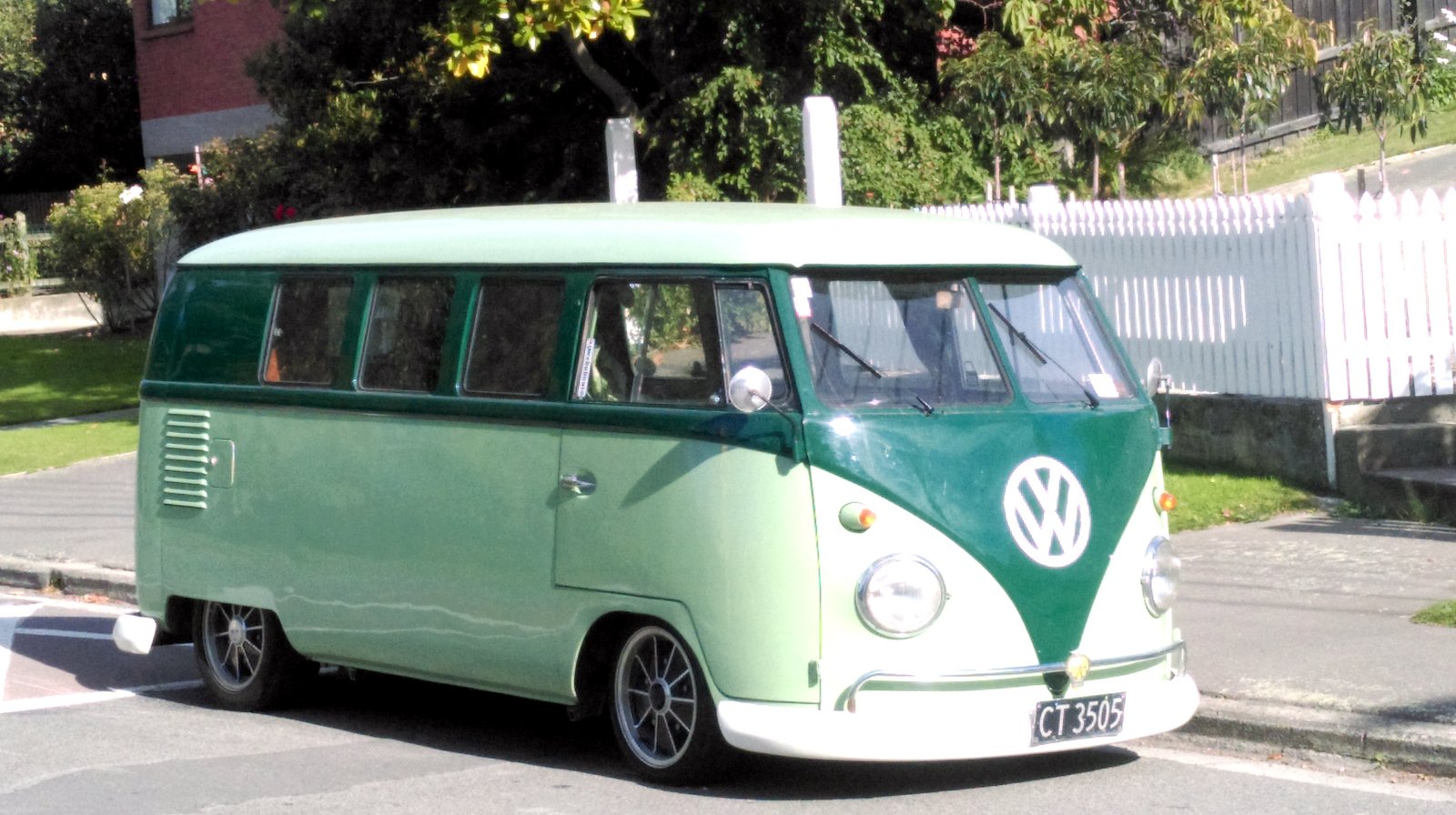
1958 T1 Single Cab (Type 2)
Single Cab Pickup

1958 T1 Single Cab (Type 2)

1192cc
Displacement
30HP
Power
N/A
Top Speed
1958 T1 Single Cab (Type 2) profile

Real Stories

Shaped by Hope: The Story of 'Azul'
The Story of Georgie the VW Bus
1958 T1 Single Cab (Type 2) exterior view

Factory exterior

1 / 1
T1 Single Cab (Type 2)

Refinement Without Pretense

The 1958 Single Cab Pickup received the same window improvements as the rest of the Bus family — a small acknowledgment that even work trucks benefit from better sight lines. The job didn't change. The experience of doing it got better.

The 1958 Volkswagen Type 2 Single Cab Pickup. While Americans were buying station wagons and sedans with chrome excess and tail fin ambition, the Single Cab was being refined for the people who bought vehicles to accomplish things rather than announce them.

Read the Full Story

Engineering.

The air-cooled flat-four that powered the 1958 T1 Single Cab (Type 2). Simple, reliable, and endlessly modifiable.

1192cc

Air-cooled flat-4

The air-cooled flat-four engine that powered a generation. Code M28.

Power
30 HP
Fuel
Carburetor

Highlights.

Feature

Cultural context

counterculture, revolutionary

Feature

Feature 2

The Type 2's boxy, forward-control layout was radical for its time.

Engine

Engine Size

1200cc (1.2L) Air-cooled flat-4

Engine

Horsepower

36 HP

Quick Facts — 1958 Bus

  • Engine SizeNeeds Review

    1200cc (1.2L) Air-cooled flat-4

  • HorsepowerNeeds Review

    36 HP

  • Engine CodeNeeds Review

    M28

  • Body StyleNeeds Review

    Pickup

  • TransmissionNeeds Review

    4-speed manual

  • Cultural SignificanceNeeds Review

    The Type 2 Bus became shorthand for the counterculture.

All specifications should be verified before publication.

Top Questions — 1958 Bus

Refer to the specifications section above for the engine code used in the 1958 Bus. The engine code is typically stamped on the engine case above the generator. For verification assistance, use our M-Code decoder tool.

Confidence: medium — This information should be verified with additional sources.

The value of a 1958 Bus varies significantly based on condition, originality, and documentation. Driver-quality examples typically range from lower values, while excellent restored or numbers-matching examples command premiums. Condition, originality, and documentation are the primary value drivers. Always get a professional appraisal for insurance or sale purposes.

Confidence: low — This information requires verification before use.

1958 Bus models were produced at various Volkswagen factories worldwide. Check the production details above for specific factory information. The factory code can often be identified through chassis number analysis.

Confidence: medium — This information should be verified with additional sources.

The 1958 Bus received several updates from the 1957 model. Refer to the specifications and editorial sections above for detailed information about year-to-year changes. Changes may include mechanical updates, safety features, or cosmetic refinements.

Confidence: medium — This information should be verified with additional sources.

Common rust areas on air-cooled Volkswagens include heater channels (under running boards), floor pans (especially front and battery tray area), front beam (suspension mounting point), rear chassis/apron (where bumper mounts), and door bottoms. The heater channels are structural and expensive to repair. Always inspect these areas carefully before purchase.

The 1959 Bus received updates from the 1958 model. Check the specifications section above for details about year-to-year evolution. Common changes across model years include safety updates, mechanical refinements, and regulatory compliance features.

Confidence: medium — This information should be verified with additional sources.

A full rotisserie restoration typically costs $25,000-$50,000+ depending on condition and level of finish. Mechanical refresh (engine, brakes, suspension) runs $5,000-$12,000. Bodywork and paint alone can be $8,000-$15,000 for quality work. DIY restorations save labor but require significant time investment (500-1,000 hours). Parts availability is generally good for classic VWs, which helps control costs.

Confidence: low — This information requires verification before use.

Numbers matching (original engine, transmission, and chassis) typically increases value by 20-40% over non-matching examples. However, the premium varies based on overall condition, documentation, and market demand. Use our numbers matching verification tool to check your vehicle.

Confidence: medium — This information should be verified with additional sources.

A well-maintained 1958 Bus can serve as a daily driver, but consider the age of the vehicle. Modern traffic, safety features, and reliability expectations differ from the era. Regular maintenance, mechanical knowledge, and realistic expectations are essential. Many owners use classic VWs as weekend drivers or hobby vehicles rather than primary transportation.

Confidence: medium — This information should be verified with additional sources.

Yes, parts availability for classic air-cooled Volkswagens is generally excellent. The large enthusiast community and aftermarket support mean most mechanical and body parts are readily available. Some year-specific trim pieces or rare options may be harder to find, but the core mechanical components are well-supported.

Why This Year Matters

Needs Review
  • Cultural context: counterculture, revolutionary
  • The Type 2's boxy, forward-control layout was radical for its time.
Collector AppealMedium
Restoration ComplexityMedium
Daily Driver SuitabilityMedium

Valuation Resources

Research current market values for the 1958 T1 Single Cab (Type 2)

Buying tip: Condition is everything. A rusty "project" can cost more to restore than buying a finished car. Check heater channels, floor pans, and battery tray first.

Black

L41solidcommon

Factory Colors

Original paint options available for the 1958 T1 Single Cab (Type 2).

solid Colors

Looking for a 1958 T1 Single Cab (Type 2) in Black?

Find for Sale

Which 1958 Bus fits your style?

Explore the variants available for this model year and find your perfect match.

Want to see a detailed comparison of multiple vehicles?

Compare all variants

Verify Authenticity

Numbers matching verification increases value by 20-40%. Use our tools to verify engine codes, chassis numbers, and M-codes for your 1958 T1 Single Cab (Type 2).

Correct Engine CodeM28

The Full Story

Introduction

The 1958 Volkswagen Type 2 Single Cab Pickup. While Americans were buying station wagons and sedans with chrome excess and tail fin ambition, the Single Cab was being refined for the people who bought vehicles to accomplish things rather than announce them.

The 1958 model year brought larger windows across the Bus family — a genuine improvement to the driving experience and a quiet indicator that VW was paying attention to what its buyers actually needed.

What It Was

The Type 2's boxy, forward-control layout was radical for its time. No hood. Massive split windshield. A truck bed that could handle genuine commercial loads. The 1958 refinements — larger windows, improved panel fit — made the Single Cab more pleasant to work in without changing what it was fundamentally built to do.

Three across in the cab. Engine in the rear. Full wheelbase available for cargo. The Single Cab in 1958 represented the Bus pickup concept at its early maturity — eight years of production refinement applied to a commercial tool that had found its market.

What Made It Special

The air-cooled engine wasn't powerful, but it was reliable. The mechanics were simple enough for roadside repair with basic tools. For commercial operators who needed to be on the job rather than in the service bay, this reliability translated directly into profitability.

The 1958 improvements to window sizing gave the cab driver better sight lines — particularly valuable in the commercial contexts where the Single Cab operated. Loading docks, tight urban streets, construction site approaches. Seeing exactly where you were going mattered more than going fast.

By 1958, the Single Cab's commercial reputation had been built entirely by performance. No national advertising campaign. No dealer showroom drama. Just operators who needed a truck that worked, found one that did, and told other operators about it.

Cultural Context

1958 America was in economic expansion. Small businesses were growing. Construction was booming. The Single Cab's commercial utility found ready buyers in an economy where efficient commercial transport was a genuine competitive advantage.

The single cab's commercial-to-adventure duality was establishing itself in this period. Tradespeople bought them to work. Some of those tradespeople, on weekends, discovered that the same vehicle that carried their tools all week could carry their camping gear all weekend. Utility without pretense serves multiple purposes.

By 1958, the VW commercial proposition had been demonstrated across a full decade of American operation. The Single Cab's operating economics were documented by real operators with real cost data. The arithmetic was compelling. For a small business owner choosing between American excess and German efficiency, the numbers argued for efficiency with unusual persuasiveness.

How It Drove

Slide open that cab door and you're working immediately. Three seats, no excess, nothing between you and the task. The driver sat over the front axle with the full intersection visible below the windshield. Commercial drivers who learned the Single Cab discovered advantages that American trucks couldn't offer.

The Type 2 Bus became shorthand for the counterculture by the 1960s, but in 1958 the Single Cab was serving the people who built the infrastructure those counterculture Buses would eventually traverse. The same vehicle. Completely different contexts.

Who Bought It

Florists, plumbers, electricians, small contractors — businesses where the truck was a production tool rather than a status symbol. The 1958 Single Cab buyer had done the math and found it compelling: lower purchase price, lower operating costs, lower maintenance requirements than American alternatives.

European immigrant commercial operators were particularly receptive. By 1958, the VW commercial reputation had been established by performance, and word traveled through trade networks faster than any advertising campaign.

Buying Today

The 1958 Single Cab is among the rarest configurations in the T1 family. Commercial vehicles were used until spent and rarely preserved. The survivors represent either fortunate accidents of storage or the devoted attention of early preservationists.

Values range from $25,000 for honest project vehicles to $80,000 for excellent examples. The 1958 Single Cab Pickup maintained Bus platform's commercial utility focus. VW improving based on how people actually worked. The improvements were small. The legacy is substantial.

The Verdict

The 1958 Bus represented something genuine: the idea that you could own something practical that was also, quietly, right. For the Single Cab, that rightness was the rightness of a tool that matched its purpose precisely.

The 1958 Single Cab Pickup maintained the Bus platform's commercial utility focus while accepting the refinements that eight years of production learning had made available. Better windows. Better panel fit. Better materials. The same honest purpose.

The Pickup's commercial-to-adventure duality established a pattern: vehicle bought for work, transformed by use into something culturally significant. The 1958 model is early enough to predate the mythology. Late enough to benefit from the refinement. A precise moment in an interesting history.

The 1958 Single Cab is the commercial Bus proposition at early maturity — refined enough to eliminate any remaining teething concerns, early enough to predate the counterculture mythology. It worked. It was preserved because it worked. It is collected because it worked. That's a complete story.