1600cc
Air-cooled
The air-cooled flat-four engine that powered a generation. Code .
- Power
- N/A
- Fuel
- Carburetor
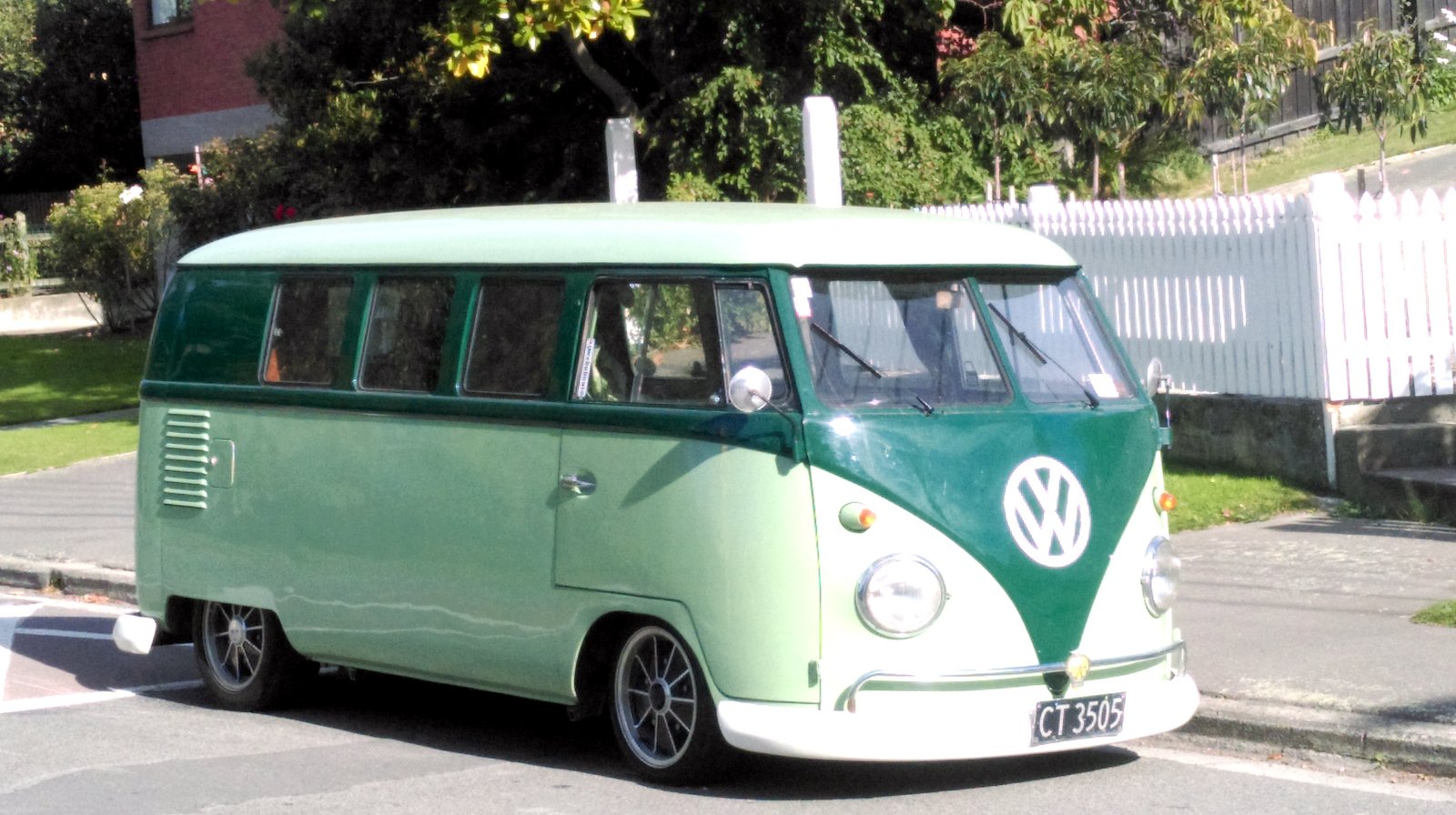
VW listened. Owners wanted more visibility. The 1958 Kombi received larger windows — a small change that transformed the interior from functional to genuinely pleasant. User feedback as engineering. Imagine.
1958: The Bus received its most significant styling update — larger windows improving visibility and brightening the interior. Not a redesign. Not a new model. Just evidence that VW was paying attention to what its owners actually experienced, and responding accordingly.
The air-cooled flat-four that powered the 1958 T1 Microbus (Type 2). Simple, reliable, and endlessly modifiable.
1200cc (1.2L) Air-cooled flat-4
36 HP
M28
Pickup
4-speed manual
The Type 2 Bus became shorthand for the counterculture.
All specifications should be verified before publication.
Refer to the specifications section above for the engine code used in the 1958 Bus. The engine code is typically stamped on the engine case above the generator. For verification assistance, use our M-Code decoder tool.
Confidence: medium — This information should be verified with additional sources.
The value of a 1958 Bus varies significantly based on condition, originality, and documentation. Driver-quality examples typically range from lower values, while excellent restored or numbers-matching examples command premiums. Condition, originality, and documentation are the primary value drivers. Always get a professional appraisal for insurance or sale purposes.
Confidence: low — This information requires verification before use.
1958 Bus models were produced at various Volkswagen factories worldwide. Check the production details above for specific factory information. The factory code can often be identified through chassis number analysis.
Confidence: medium — This information should be verified with additional sources.
The 1958 Bus received several updates from the 1957 model. Refer to the specifications and editorial sections above for detailed information about year-to-year changes. Changes may include mechanical updates, safety features, or cosmetic refinements.
Confidence: medium — This information should be verified with additional sources.
Common rust areas on air-cooled Volkswagens include heater channels (under running boards), floor pans (especially front and battery tray area), front beam (suspension mounting point), rear chassis/apron (where bumper mounts), and door bottoms. The heater channels are structural and expensive to repair. Always inspect these areas carefully before purchase.
The 1959 Bus received updates from the 1958 model. Check the specifications section above for details about year-to-year evolution. Common changes across model years include safety updates, mechanical refinements, and regulatory compliance features.
Confidence: medium — This information should be verified with additional sources.
A full rotisserie restoration typically costs $25,000-$50,000+ depending on condition and level of finish. Mechanical refresh (engine, brakes, suspension) runs $5,000-$12,000. Bodywork and paint alone can be $8,000-$15,000 for quality work. DIY restorations save labor but require significant time investment (500-1,000 hours). Parts availability is generally good for classic VWs, which helps control costs.
Confidence: low — This information requires verification before use.
A well-maintained 1958 Bus can serve as a daily driver, but consider the age of the vehicle. Modern traffic, safety features, and reliability expectations differ from the era. Regular maintenance, mechanical knowledge, and realistic expectations are essential. Many owners use classic VWs as weekend drivers or hobby vehicles rather than primary transportation.
Confidence: medium — This information should be verified with additional sources.
Yes, parts availability for classic air-cooled Volkswagens is generally excellent. The large enthusiast community and aftermarket support mean most mechanical and body parts are readily available. Some year-specific trim pieces or rare options may be harder to find, but the core mechanical components are well-supported.
Research current market values for the 1958 T1 Microbus (Type 2)
Hagerty Valuation Tools
Industry-standard classic car values
Bring a Trailer Results
Recent auction prices
TheSamba Classifieds
Current listings & asking prices
Buying tip: Condition is everything. A rusty "project" can cost more to restore than buying a finished car. Check heater channels, floor pans, and battery tray first.
Explore the variants available for this model year and find your perfect match.
Want to see a detailed comparison of multiple vehicles?
Compare all variantsNumbers matching verification increases value by 20-40%. Use our tools to verify engine codes, chassis numbers, and M-codes for your 1958 T1 Microbus (Type 2).
1958: The Bus received its most significant styling update — larger windows improving visibility and brightening the interior. Not a redesign. Not a new model. Just evidence that VW was paying attention to what its owners actually experienced, and responding accordingly.
The 1958 Kombi was the same honest machine it had always been. It was simply a better version of itself.
The 1958 Kombi's larger windows transformed the passenger experience meaningfully. More daylight made the interior feel larger than it measured. Better visibility gave all eight passengers a connection to the passing landscape rather than the confining sense of a rolling box.
Living with the 1958 Kombi meant experiencing VW's user-respect philosophy: listen to how people actually use the vehicle, then improve it based on what you hear. This wasn't marketing. It was engineering feedback applied honestly. The result was a Kombi that was quieter about its virtues and better at delivering them.
The window enlargement was the headline change, but the 1958 Kombi also benefited from eight years of continuous mechanical refinement. The drivetrain was better sorted. The panel fit was more precise. The materials were better understood. A 1958 Kombi was simply a more mature vehicle than the 1950 original.
The removable seat configuration remained the Kombi's defining commercial feature. Eight passengers when you needed eight passengers. Cargo space when you needed cargo space. The same vehicle for Tuesday's school run and Wednesday's furniture delivery. This versatility had been there from the beginning — 1958 just made the experience of it more pleasant.
1958: American road trip culture was maturing. Families wanting comfortable collective travel were discovering that the Kombi's combination of capacity, economy, and now genuine comfort offered something domestic station wagons couldn't quite match in pure people-moving efficiency.
Original buyers appreciated the passenger-focused improvements. The larger windows made the Bus better for its primary purpose: carrying people who wanted to experience where they were going, not just arrive there. This small engineering decision would have outsized cultural consequences in the decade ahead.
The cab-over driving position remained distinctive — road directly below, no hood, full intersection visibility. But it was the passenger experience that 1958 improved most. Sitting in the rear bench of a 1958 Kombi and watching the landscape through those enlarged windows was something closer to a coach journey than a car ride.
The engine's 30 horsepower required patience. But patience, in a vehicle this comfortable for eight people, was easier to maintain. The 1958 Kombi asked everyone aboard to settle into the journey. The larger windows gave them something to settle into.
The improved 1958 Kombi attracted the same practical buyers as its predecessors — families, small businesses, churches, tour operators — but the passenger improvements made it more competitive against domestic station wagons that served the family-hauler market more directly.
For growing American families in 1958, the Kombi's combination of eight-passenger capacity, reasonable economy, and now genuinely pleasant interior represented a compelling value. Many were first-time VW buyers, attracted by the updated comfort proposition.
The larger windows in the 1958 Kombi made it a more compelling proposition for the family-transport market — buyers who would otherwise default to domestic station wagons. The interior improvement addressed the one legitimate criticism of earlier Bus interiors: they were practical but dim. The 1958 answered that criticism without compromising the mechanical proposition.
The improved 1958 Kombi was finding buyers in an expanding demographic: American families who had previously dismissed European vehicles were reconsidering after the 'Think Small' moment began to normalize the VW proposition. The larger windows helped. A brighter interior was a simpler argument than any engineering specification.
1958 Kombis with the larger windows are identifiable at a glance — the visual difference from the earlier small-window cars is immediate. For collectors, the 1958 represents a sweet spot: the pre-counterculture original, now in its most refined early form.
1958 Kombi with larger windows marked passenger experience as priority. VW improving based on actual usage patterns. Today's values range from $30,000 for projects to $95,000 for excellent examples. The enlarged windows create slightly more glass-to-rust-seam junction, so inspect those perimeter seals carefully.
The 1958 Kombi wasn't revolutionary. It was better. VW took a good vehicle, listened to its owners, and made it more comfortable without compromising what made it right in the first place. This is product development as respect.
What the 1958 model represents today is the Bus at a transitional moment — before the counterculture claimed it, after it had proven its basic proposition. The larger windows let more light in. More light made the interior more humane. More humane vehicles get kept. The mathematics of preservation.
You can't improve the 1958 Kombi much more than VW did in 1958. That's the point. When the product is right, the right improvement is restraint.
The 1958 Kombi was VW listening and responding. That responsiveness — the discipline to improve without disrupting — is its own form of engineering integrity. The product was better. The proposition was unchanged. That combination is rarer than it sounds.