1600cc
Displacement
N/A
Power
N/A
Top Speed

Real Stories

Shaped by Hope: The Story of 'Azul'
The Story of Georgie the VW Bus

The Last Innocent Year

Before November. Before the fracture. The 1963 Kombi was the Bus at its T1 peak — refined, confident, perfectly suited for the decade it was about to shape. It didn't know what history was about to make of it. History rarely asks permission.

1963 was the last year before America fractured. JFK would be assassinated in November. The Beatles were about to explode. The civil rights movement was reaching critical intensity. And the 1963 VW Microbus Kombi was the Bus at the peak of its T1 form — refined over thirteen years, completely proven, perfectly unaware of the cultural role it was about to play.

Read the Full Story

Engineering.

The air-cooled flat-four that powered the 1963 T1 Microbus (Type 2). Simple, reliable, and endlessly modifiable.

1600cc

Air-cooled

The air-cooled flat-four engine that powered a generation. Code .

Power
N/A
Fuel
Carburetor

Highlights.

Feature

Cultural context

counterculture, revolutionary

Feature

Feature 2

The Type 2's boxy, forward-control layout was radical for its time.

Engine

Engine Size

1500cc (1.5L) Air-cooled flat-4

Engine

Horsepower

42 HP

Quick Facts — 1963 Bus

  • Engine SizeNeeds Review

    1500cc (1.5L) Air-cooled flat-4

  • HorsepowerNeeds Review

    42 HP

  • Engine CodeNeeds Review

    D

  • Body StyleNeeds Review

    Pickup

  • TransmissionNeeds Review

    4-speed manual

  • Cultural SignificanceNeeds Review

    The Type 2 Bus became shorthand for the counterculture.

All specifications should be verified before publication.

Top Questions — 1963 Bus

Refer to the specifications section above for the engine code used in the 1963 Bus. The engine code is typically stamped on the engine case above the generator. For verification assistance, use our M-Code decoder tool.

Confidence: medium — This information should be verified with additional sources.

The value of a 1963 Bus varies significantly based on condition, originality, and documentation. Driver-quality examples typically range from lower values, while excellent restored or numbers-matching examples command premiums. Condition, originality, and documentation are the primary value drivers. Always get a professional appraisal for insurance or sale purposes.

Confidence: low — This information requires verification before use.

1963 Bus models were produced at various Volkswagen factories worldwide. Check the production details above for specific factory information. The factory code can often be identified through chassis number analysis.

Confidence: medium — This information should be verified with additional sources.

The 1963 Bus received several updates from the 1962 model. Refer to the specifications and editorial sections above for detailed information about year-to-year changes. Changes may include mechanical updates, safety features, or cosmetic refinements.

Confidence: medium — This information should be verified with additional sources.

Common rust areas on air-cooled Volkswagens include heater channels (under running boards), floor pans (especially front and battery tray area), front beam (suspension mounting point), rear chassis/apron (where bumper mounts), and door bottoms. The heater channels are structural and expensive to repair. Always inspect these areas carefully before purchase.

The 1964 Bus received updates from the 1963 model. Check the specifications section above for details about year-to-year evolution. Common changes across model years include safety updates, mechanical refinements, and regulatory compliance features.

Confidence: medium — This information should be verified with additional sources.

A full rotisserie restoration typically costs $25,000-$50,000+ depending on condition and level of finish. Mechanical refresh (engine, brakes, suspension) runs $5,000-$12,000. Bodywork and paint alone can be $8,000-$15,000 for quality work. DIY restorations save labor but require significant time investment (500-1,000 hours). Parts availability is generally good for classic VWs, which helps control costs.

Confidence: low — This information requires verification before use.

Numbers matching (original engine, transmission, and chassis) typically increases value by 20-40% over non-matching examples. However, the premium varies based on overall condition, documentation, and market demand. Use our numbers matching verification tool to check your vehicle.

Confidence: medium — This information should be verified with additional sources.

A well-maintained 1963 Bus can serve as a daily driver, but consider the age of the vehicle. Modern traffic, safety features, and reliability expectations differ from the era. Regular maintenance, mechanical knowledge, and realistic expectations are essential. Many owners use classic VWs as weekend drivers or hobby vehicles rather than primary transportation.

Confidence: medium — This information should be verified with additional sources.

Yes, parts availability for classic air-cooled Volkswagens is generally excellent. The large enthusiast community and aftermarket support mean most mechanical and body parts are readily available. Some year-specific trim pieces or rare options may be harder to find, but the core mechanical components are well-supported.

Why This Year Matters

Needs Review
  • Cultural context: counterculture, revolutionary
  • The Type 2's boxy, forward-control layout was radical for its time.
Collector AppealMedium
Restoration ComplexityMedium
Daily Driver SuitabilityMedium

Valuation Resources

Research current market values for the 1963 T1 Microbus (Type 2)

Buying tip: Condition is everything. A rusty "project" can cost more to restore than buying a finished car. Check heater channels, floor pans, and battery tray first.

Which 1963 Bus fits your style?

Explore the variants available for this model year and find your perfect match.

Want to see a detailed comparison of multiple vehicles?

Compare all variants

Verify Authenticity

Numbers matching verification increases value by 20-40%. Use our tools to verify engine codes, chassis numbers, and M-codes for your 1963 T1 Microbus (Type 2).

The Full Story

Introduction

1963 was the last year before America fractured. JFK would be assassinated in November. The Beatles were about to explode. The civil rights movement was reaching critical intensity. And the 1963 VW Microbus Kombi was the Bus at the peak of its T1 form — refined over thirteen years, completely proven, perfectly unaware of the cultural role it was about to play.

This was the last moment when the Bus was primarily a practical vehicle. Everything that came after would carry the weight of what 1963 was about to become.

What It Was

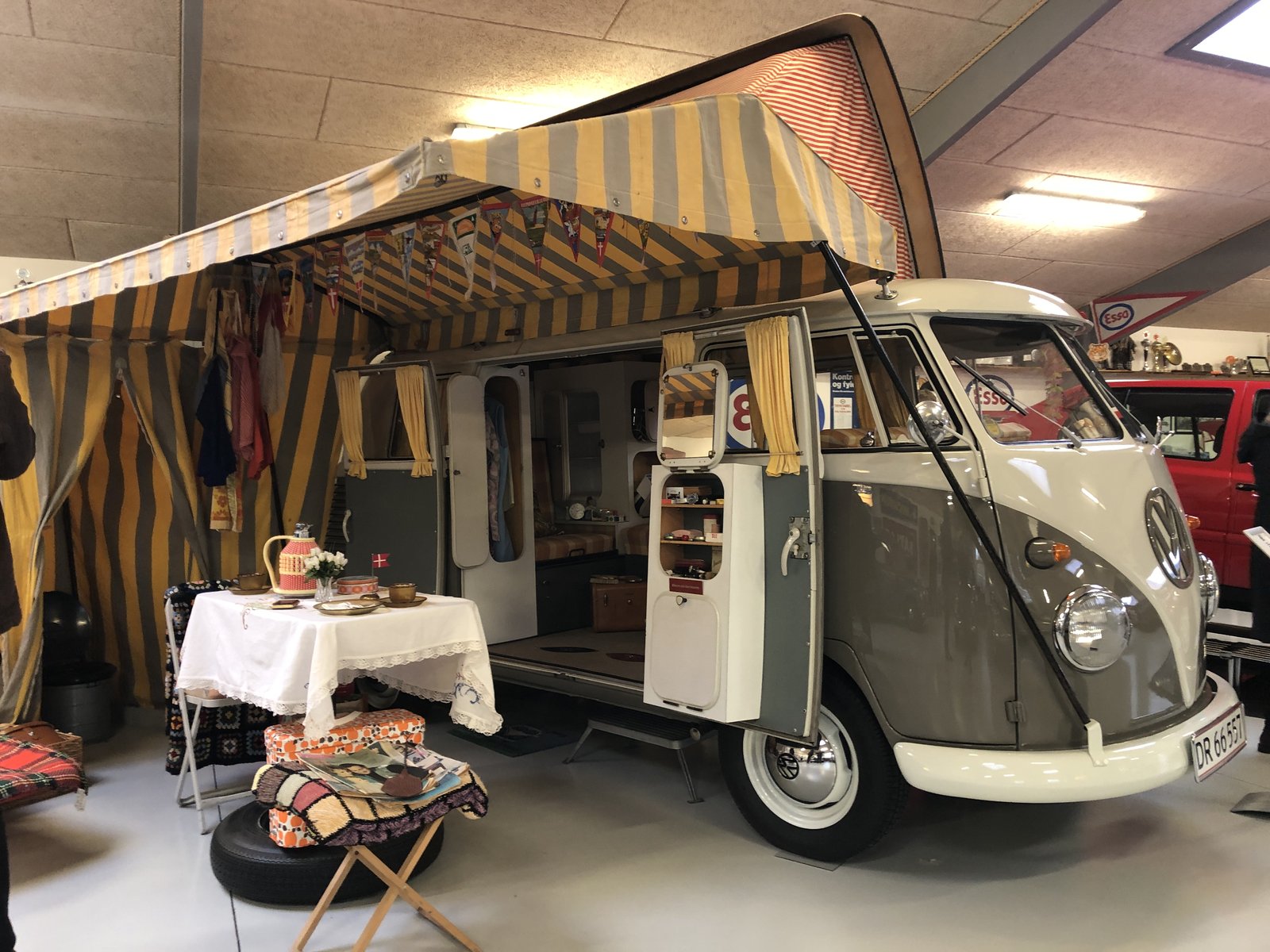
By 1963, the T1 Bus had evolved into its most refined form. The body retained the classic boxy proportions. The Kombi variant featured large side windows that flooded the interior with light. The barn-door rear access remained one of the most practical loading configurations in commercial use.

The proportions were iconic by this point: nearly 15 feet long, nearly 6 feet wide, tall and boxy and entirely honest about its purpose. The face of the Bus — with its large windshield and simple grille — conveyed competence and reliability. Thirteen years of production had produced something that looked like exactly what it was.

The Kombi offered removable rear seating: commercial van when you needed it, eight-passenger transport when you didn't. This versatility had been the Kombi's commercial proposition from the beginning. By 1963, it was executed with the confidence of thirteen years of engineering refinement.

What Made It Special

The 1963 Bus used the 1493cc engine producing 40 horsepower, introduced in 1959. This engine represented thirteen years of air-cooled refinement — not powerful by any absolute measure, but reliable in ways that few contemporary powertrains could match.

The air-cooled design remained brilliant. No radiator meant no coolant leaks, no overheating in summer traffic, no complications at altitude. The four-speed manual transmission was fully synchronized by 1963, making shifts smoother and easier than earlier examples.

Suspension remained torsion bars with swing axles in the rear. The ride was firm and communicative. The Bus told you everything about the road surface — not because the suspension was harsh, but because the engineering was honest. You knew exactly what the vehicle was doing, always.

Cultural Context

1963 was a hinge year in American history. The civil rights movement was reaching critical intensity — the March on Washington, MLK's speech, the summer of confrontation in Birmingham. Young Americans were questioning received wisdom with unusual urgency.

In popular culture, the transition was underway. The Beatles were about to explode in America. Folk music was carrying political weight. The cultural energy was building toward something that would arrive in 1964 and 1965 and keep arriving through the decade.

The Bus in 1963 was still primarily a work vehicle and family hauler. But the vehicle that would carry the Grateful Dead to their first gigs, ferry civil rights workers between cities, and park in the fields at Woodstock was already on the road. It just hadn't been conscripted into service yet.

The music was transitioning from innocent early rock and roll to something more questioning and complex. The Bus was already the right vehicle for that complexity — a machine that was practical enough to be a tool and honest enough to be a symbol.

How It Drove

The driver's seat in a 1963 Bus placed you at the very front of the vehicle, directly over the front axle. The road arrived immediately below the windshield. Every bump was felt. Every curve was communicated. The Bus was honest about the road in the same way it was honest about everything else.

The dashboard had evolved into its most refined T1 form: clear gauges, logical switch placement, durable materials. The Kombi's interior featured bench seats that could be removed or reconfigured. Seating for eight was available at the remove of several bolts.

Heating came from fresh air ducted over the exhaust system. By 1963, the system was reasonably effective. The Bus was, by 1963, a genuinely comfortable vehicle for eight passengers making long-distance journeys.

Who Bought It

The 1963 Kombi buyer was still primarily a practical person: the family needing eight-seat capacity, the institution needing economical group transport, the small business needing commercial flexibility. VW's American sales were growing — the 'Think Small' campaign had normalized the proposition.

But there was also, increasingly, a different kind of buyer: the young American who recognized in the Bus's honest engineering something that matched a values system forming in the country's college towns and coffee houses. These buyers were the vanguard of the counterculture adoption that would define the Bus's cultural identity in the decade ahead.

Buying Today

The 1963 Bus represents the T1 design at its peak of refinement. Thirteen years of production had eliminated every mechanical uncertainty. The body design was as close to final form as the T1 would reach before the T2 arrived in 1968.

Values for 1963 Kombis range from $40,000 for honest drivers to $120,000 for excellent examples. The Kombi variant commands a slight premium over the fully configured Microbus for collectors who want maximum flexibility. Rust remains the primary concern — inspect the lower body panels, floors, and wheel wells carefully.

Production volumes were strong in 1963 across Europe and growing in America. The Bus had established itself as a commercial success. The T1 generation would continue until 1967. But the 1963 represents something specific: the final moment of the Bus before history made it iconic.

The Verdict

The 1963 Bus represents the final moment of innocence before the counterculture adopted it. Original buyers made practical choices. By 1967, those same Buses were in different hands — carrying musicians, activists, students pursuing horizons their original owners never imagined.

By the 1990s, collectors recognized the early-to-mid-1960s Buses as representing a pivotal moment: the vehicle before the mythology. The 1963 Kombi is the Bus at its T1 peak, fully realized, not yet conscripted into service as a cultural symbol.

Today, a 1963 Bus is a connection to a lost moment in American culture — the last innocent year before the fracture. The vehicle survived the fracture. It survived everything the 1960s could throw at it. It's still here. Still worth everything the market says it is, and then some.