1600cc
Displacement
N/A
Power
N/A
Top Speed

Real Stories

Shaped by Hope: The Story of 'Azul'
The Story of Georgie the VW Bus

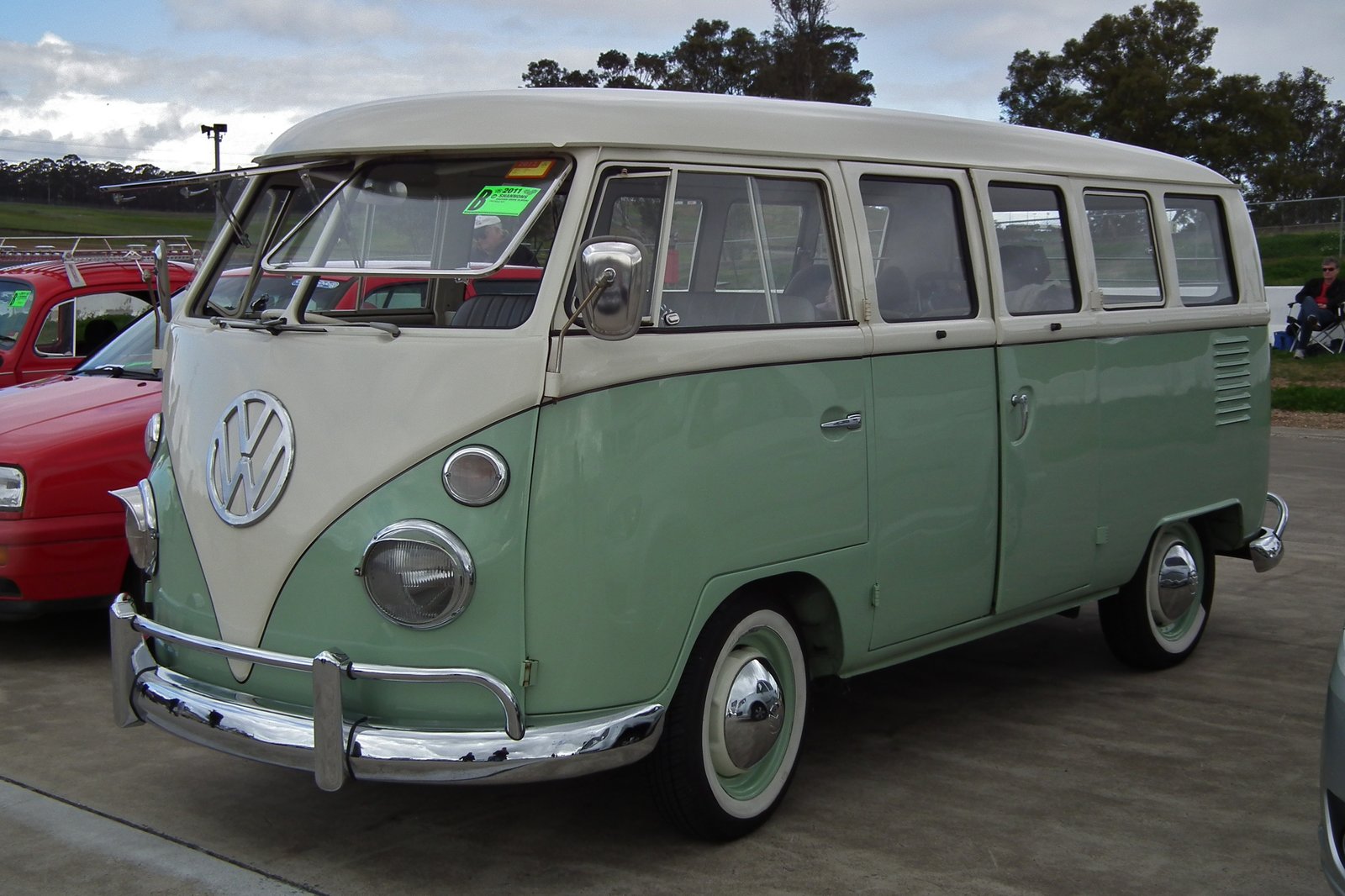
1964 Bus

Late-generation T1. Panel fit exceptional. Paint quality outstanding.

Read the Full Story

Engineering.

The air-cooled flat-four that powered the 1964 T1 Microbus (Type 2). Simple, reliable, and endlessly modifiable.

1600cc

Air-cooled

The air-cooled flat-four engine that powered a generation. Code .

Power
N/A
Fuel
Carburetor

Highlights.

Feature

Cultural context

counterculture, revolutionary

Feature

Feature 2

The Type 2's boxy, forward-control layout was radical for its time.

Engine

Engine Size

1500cc (1.5L) Air-cooled flat-4

Engine

Horsepower

42 HP

Quick Facts — 1964 Bus

  • Engine SizeNeeds Review

    1500cc (1.5L) Air-cooled flat-4

  • HorsepowerNeeds Review

    42 HP

  • Engine CodeNeeds Review

    D

  • Body StyleNeeds Review

    Pickup

  • TransmissionNeeds Review

    4-speed manual

  • Cultural SignificanceNeeds Review

    The Type 2 Bus became shorthand for the counterculture.

All specifications should be verified before publication.

Top Questions — 1964 Bus

Refer to the specifications section above for the engine code used in the 1964 Bus. The engine code is typically stamped on the engine case above the generator. For verification assistance, use our M-Code decoder tool.

Confidence: medium — This information should be verified with additional sources.

The value of a 1964 Bus varies significantly based on condition, originality, and documentation. Driver-quality examples typically range from lower values, while excellent restored or numbers-matching examples command premiums. Condition, originality, and documentation are the primary value drivers. Always get a professional appraisal for insurance or sale purposes.

Confidence: low — This information requires verification before use.

1964 Bus models were produced at various Volkswagen factories worldwide. Check the production details above for specific factory information. The factory code can often be identified through chassis number analysis.

Confidence: medium — This information should be verified with additional sources.

The 1964 Bus received several updates from the 1963 model. Refer to the specifications and editorial sections above for detailed information about year-to-year changes. Changes may include mechanical updates, safety features, or cosmetic refinements.

Confidence: medium — This information should be verified with additional sources.

Common rust areas on air-cooled Volkswagens include heater channels (under running boards), floor pans (especially front and battery tray area), front beam (suspension mounting point), rear chassis/apron (where bumper mounts), and door bottoms. The heater channels are structural and expensive to repair. Always inspect these areas carefully before purchase.

The 1965 Bus received updates from the 1964 model. Check the specifications section above for details about year-to-year evolution. Common changes across model years include safety updates, mechanical refinements, and regulatory compliance features.

Confidence: medium — This information should be verified with additional sources.

A full rotisserie restoration typically costs $25,000-$50,000+ depending on condition and level of finish. Mechanical refresh (engine, brakes, suspension) runs $5,000-$12,000. Bodywork and paint alone can be $8,000-$15,000 for quality work. DIY restorations save labor but require significant time investment (500-1,000 hours). Parts availability is generally good for classic VWs, which helps control costs.

Confidence: low — This information requires verification before use.

Numbers matching (original engine, transmission, and chassis) typically increases value by 20-40% over non-matching examples. However, the premium varies based on overall condition, documentation, and market demand. Use our numbers matching verification tool to check your vehicle.

Confidence: medium — This information should be verified with additional sources.

A well-maintained 1964 Bus can serve as a daily driver, but consider the age of the vehicle. Modern traffic, safety features, and reliability expectations differ from the era. Regular maintenance, mechanical knowledge, and realistic expectations are essential. Many owners use classic VWs as weekend drivers or hobby vehicles rather than primary transportation.

Confidence: medium — This information should be verified with additional sources.

Yes, parts availability for classic air-cooled Volkswagens is generally excellent. The large enthusiast community and aftermarket support mean most mechanical and body parts are readily available. Some year-specific trim pieces or rare options may be harder to find, but the core mechanical components are well-supported.

Why This Year Matters

Needs Review
  • Cultural context: counterculture, revolutionary
  • The Type 2's boxy, forward-control layout was radical for its time.
Collector AppealMedium
Restoration ComplexityMedium
Daily Driver SuitabilityMedium

Valuation Resources

Research current market values for the 1964 T1 Microbus (Type 2)

Buying tip: Condition is everything. A rusty "project" can cost more to restore than buying a finished car. Check heater channels, floor pans, and battery tray first.

Which 1964 Bus fits your style?

Explore the variants available for this model year and find your perfect match.

Want to see a detailed comparison of multiple vehicles?

Compare all variants

Verify Authenticity

Numbers matching verification increases value by 20-40%. Use our tools to verify engine codes, chassis numbers, and M-codes for your 1964 T1 Microbus (Type 2).

The Full Story

What It Was

Late-generation T1. Panel fit exceptional. Paint quality outstanding.

What Made It Special

Reliability proven across 14 years. Platform completely mature.

How It Drove

Communal space was Bus's essence.

Cultural Context

Counterculture beginning. Bus fit perfectly.

Verdict

Original owners chose practical vehicle for emerging lifestyle.

Gen X recognized 1964 as representing cultural transition.

Today's collectors appreciate alignment.

Buying Today

Demand growing. Bus adoption accelerating.

Cultural Context

The 1964 Microbus Kombi was becoming counterculture icon. Summer of Love (was approaching). Haight-Ashbury filling with Buses. Communes forming using Buses for mobile living and supply transport. The eight-passenger capacity enabled collective living: move commune members, haul supplies for alternative communities, transport groups to protests and gatherings. The Bus represented permission mobile: permission to drop out (drive away from establishment), permission to live collectively (eight people sharing space and journey), permission to travel freely (reliable transport enabling geographic liberation from conventional settled living requiring property ownership and residential permanence).

The Microbus Kombi's engineering served counterculture values accidentally but perfectly: affordable (accessible to people rejecting high-paying establishment jobs), reliable (dependable for people living alternatively without dealer service access), owner-serviceable (maintainable by commune members sharing knowledge and tools), spacious (enabling collective living and group travel), durable (lasting for people who couldn't afford frequent replacement), simple (understandable engineering for people valuing transparency and rejecting corporate complexity). Every engineering characteristic aligned with values counterculture was articulating: reject planned obsolescence, embrace simplicity, value collective over individual, enable community through shared resources and mutual support.

The Bus wasn't marketed to counterculture—it was adopted by counterculture recognizing the vehicle embodied movement values through honest engineering maintained since 1950. That organic adoption through authentic values alignment made the Bus genuine cultural symbol rather than manufactured demographic marketing construct. The 1964 Microbus Kombi was participant in cultural transformation, not observer of market opportunity. That authentic participation makes these specimens historically and culturally significant beyond their transportation function.

Cultural Context

The 1964 Microbus Kombi served the emerging and evolving counterculture movement through honest engineering enabling collective living and community mobile capability. Eight-person capacity meant commune members could travel together, protest groups could organize collectively, festival attendees could journey as community. The air-cooled simplicity meant transparent mechanical systems that commune members could understand and maintain through mutual aid and shared knowledge. Owner-serviceability meant independence from dealer networks and corporate service systems. Affordable pricing meant accessible to people rejecting high-paying establishment employment in favor of alternative values-aligned living.

The Bus embodied counterculture values through engineering rather than marketing: collective over individual (eight passengers together), simple over complex (air-cooled transparent systems), durable over disposable (built to last rejecting planned obsolescence), accessible over exclusive (affordable democratic pricing), community over isolation (shared space creating bonds). Every engineering characteristic aligned with movement philosophy. The 1964 Microbus Kombi proved that commercial vehicle could serve alternative lifestyle when values recognized what practical engineering enabled: collective journey as daily practice, community mobile as lived reality, permission for alternative living through reliable affordable transport.

Verdict

Original 1964 Bus owners who participated in counterculture remember the vehicle as essential tool enabling alternative lifestyle: commune supply runs, festival pilgrimages, protest attendance, back-to-land migrations, collective living mobility. The Bus made alternative values practically viable by providing reliable collective transport accessible to people without conventional wealth or establishment employment. That practical enabling of philosophical values makes 1964 Buses culturally and historically significant.

Today's restorers preserve 1964 Buses as counterculture era artifacts representing engineering serving values through honest capability. The Bus proved alternative community was mobile, collective living was viable, counterculture values were practical through simple reliable engineering enabling everything the movement needed: collective journey, mutual support, mobile community, affordable access, durable service. That makes 1964 Buses worth preserving as witnesses to decade when German commercial engineering enabled American cultural transformation through accidental perfect alignment of honest vehicle design and alternative movement values.