1493cc
Air-cooled flat-4
The air-cooled flat-four engine that powered a generation. Code M178.
- Power
- 44 HP
- Fuel
- Single carburetor


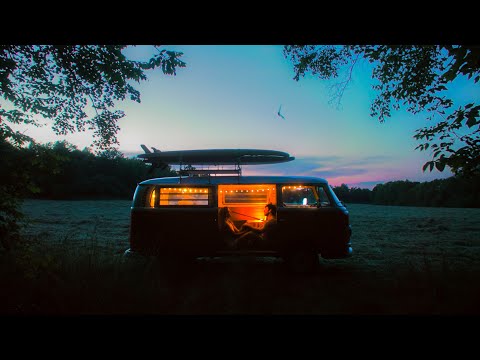
Factory exterior
The 1966 Westfalia Camper was the Bus at its most complete — a factory-fitted sleeping and cooking system that turned the air-cooled box into a portable home. The Summer of Love was coming. The Westfalia was already there.
The Westfalia Fahrzeugwerk GmbH of Rheda-Wiedenbrück, Germany, had been converting VW Buses into campers since 1951. By 1966, they'd perfected the system. Fold-down rock-and-roll bed. Removable table. Propane cooker. Insulated cabinet with an icebox. Curtains on every window. Everything that turned a van into a life.
The air-cooled flat-four that powered the 1966 T1 Westfalia (Type 2). Simple, reliable, and endlessly modifiable.
1500cc (1.5L) Air-cooled flat-4
47 HP
D
Pickup
4-speed manual
The Type 2 Bus became shorthand for the counterculture.
All specifications should be verified before publication.
Refer to the specifications section above for the engine code used in the 1966 Bus. The engine code is typically stamped on the engine case above the generator. For verification assistance, use our M-Code decoder tool.
Confidence: medium — This information should be verified with additional sources.
The value of a 1966 Bus varies significantly based on condition, originality, and documentation. Driver-quality examples typically range from lower values, while excellent restored or numbers-matching examples command premiums. Condition, originality, and documentation are the primary value drivers. Always get a professional appraisal for insurance or sale purposes.
Confidence: low — This information requires verification before use.
1966 Bus models were produced at various Volkswagen factories worldwide. Check the production details above for specific factory information. The factory code can often be identified through chassis number analysis.
Confidence: medium — This information should be verified with additional sources.
The 1966 Bus received several updates from the 1965 model. Refer to the specifications and editorial sections above for detailed information about year-to-year changes. Changes may include mechanical updates, safety features, or cosmetic refinements.
Confidence: medium — This information should be verified with additional sources.
Common rust areas on air-cooled Volkswagens include heater channels (under running boards), floor pans (especially front and battery tray area), front beam (suspension mounting point), rear chassis/apron (where bumper mounts), and door bottoms. The heater channels are structural and expensive to repair. Always inspect these areas carefully before purchase.
The 1967 Bus received updates from the 1966 model. Check the specifications section above for details about year-to-year evolution. Common changes across model years include safety updates, mechanical refinements, and regulatory compliance features.
Confidence: medium — This information should be verified with additional sources.
A full rotisserie restoration typically costs $25,000-$50,000+ depending on condition and level of finish. Mechanical refresh (engine, brakes, suspension) runs $5,000-$12,000. Bodywork and paint alone can be $8,000-$15,000 for quality work. DIY restorations save labor but require significant time investment (500-1,000 hours). Parts availability is generally good for classic VWs, which helps control costs.
Confidence: low — This information requires verification before use.
A well-maintained 1966 Bus can serve as a daily driver, but consider the age of the vehicle. Modern traffic, safety features, and reliability expectations differ from the era. Regular maintenance, mechanical knowledge, and realistic expectations are essential. Many owners use classic VWs as weekend drivers or hobby vehicles rather than primary transportation.
Confidence: medium — This information should be verified with additional sources.
Yes, parts availability for classic air-cooled Volkswagens is generally excellent. The large enthusiast community and aftermarket support mean most mechanical and body parts are readily available. Some year-specific trim pieces or rare options may be harder to find, but the core mechanical components are well-supported.
Research current market values for the 1966 T1 Westfalia (Type 2)
Hagerty Valuation Tools
Industry-standard classic car values
Bring a Trailer Results
Recent auction prices
TheSamba Classifieds
Current listings & asking prices
Buying tip: Condition is everything. A rusty "project" can cost more to restore than buying a finished car. Check heater channels, floor pans, and battery tray first.
Original paint options available for the 1966 T1 Westfalia (Type 2).
Looking for a 1966 T1 Westfalia (Type 2) in Black?
Find for SaleExplore the variants available for this model year and find your perfect match.
Want to see a detailed comparison of multiple vehicles?
Compare all variantsNumbers matching verification increases value by 20-40%. Use our tools to verify engine codes, chassis numbers, and M-codes for your 1966 T1 Westfalia (Type 2).
The Westfalia Fahrzeugwerk GmbH of Rheda-Wiedenbrück, Germany, had been converting VW Buses into campers since 1951. By 1966, they'd perfected the system. Fold-down rock-and-roll bed. Removable table. Propane cooker. Insulated cabinet with an icebox. Curtains on every window. Everything that turned a van into a life.
The 1966 Westfalia Camper came with the same 44-horsepower 1493cc engine as the standard Microbus, the same torsion bar suspension, the same reliable mechanical bones. The difference was inside: a Westfalia interior that could sleep two adults, cook a real meal, and store enough gear for weeks.
Campgrounds across America and Europe were filling with these vans. Owners were developing the social network that would eventually be called the Westfalia community. In 1966, they just called it camping.
A standard T1 Bus body with Westfalia's SO42 interior package. The conversion included a folding sleeping platform that ran the length of the rear compartment, a removable table that mounted between front and rear seats, a two-burner propane cooker, a small icebox, and overhead storage cabinets.
The interior woodwork was birch plywood with a natural finish — light, clean, and warm. Every component was designed to serve multiple purposes. The sleeping platform stored bedding underneath. The icebox sat below the cooker counter. The cabinets held dishes and food. Nothing wasted. Nothing redundant.
Engine specs matched the standard 1966 Microbus: 1493cc air-cooled flat-four, 44hp, 4-speed manual, torsion bar front, swing axle rear. The Westfalia conversion added approximately 200 pounds of interior equipment — the 44 horsepower felt this, especially on grades. Plan routes accordingly.
The factory integration. This wasn't an aftermarket conversion with bolts in odd places and carpeting that didn't quite fit. Westfalia built the interiors with the same precision the factory applied to the vehicle. The furniture fit because it was designed to fit. The systems worked because they were properly installed. This was a product, not a project.
The autonomy it enabled. With a Westfalia, you didn't need hotels, restaurants, or campground facilities. You carried your kitchen and your bedroom. You could stop where you wanted, eat what you cooked, sleep when you were tired. The mobility was total. The freedom was literal.
The community. Westfalia owners recognized each other at campgrounds, in parking lots, on mountain passes. They shared tips, loaned tools, recommended mechanics, and developed an informal mutual aid network that required no organization because it was built on shared experience. You didn't join the Westfalia community. You arrived at a campground and discovered you were already in it.
1966 was the year before the Summer of Love transformed the Bus from vehicle to symbol. The Westfalia Camper existed in this pre-mythological moment — a practical solution to the American desire to travel without the expense of motels and restaurants, used by families, retired couples, teachers on summer break, anyone who found the road more interesting than the destination.
The camping culture was stratifying. Station wagon campers with roof tents were mainstream. Airstream trailers were upmarket. VW Westfalias were the thoughtful middle: more capable than a tent, more independent than an RV, small enough to park anywhere a standard car could park.
What the 1966 Westfalia captured was the pre-commercial version of van life — before the Instagram aesthetic, before the influencer builds, before the $150,000 custom conversions. This was people solving a practical problem with an elegant tool. That the tool was also beautiful was incidental. That it's still beautiful sixty years later is not.
Like a Microbus that had eaten a full interior. The 44 horsepower worked harder than standard because of the added weight. Mountain roads required planning — second gear was your friend, patience was your co-pilot, and the flat-four's temperature gauge deserved periodic attention.
The high center of gravity meant spirited cornering wasn't on the menu. The Westfalia was a touring vehicle: steady, deliberate, unhurried. Cruise at 55 mph and everything worked. Push to 70 on a long grade and the engine let you know it had opinions.
Today, the driving experience is a period piece. The heater still works on its own terms. The cooker still lights. The table still folds out. Pulling into a campsite in a 1966 Westfalia and cooking dinner on the original propane burner is not nostalgic theater — it's just what these vehicles were built to do, and they still do it.
Families who wanted to travel without hotel bills. Teachers and professors with long summers. Outdoor enthusiasts who didn't want to be tethered to RV parks. Surfers and climbers who needed a mobile base camp. Young couples setting off across America or Europe with more ambition than budget.
The price premium over a standard Microbus was significant — a 1966 Westfalia cost roughly $500-$800 more than a base Bus, at a time when new Beetles started at $1,585. Buyers were making a considered choice, not an impulse purchase.
Owners held their Westfalias longer than most cars. The investment in the interior conversion meant turnover was low. Second and third owners were common. The community of long-term owners meant accumulated knowledge: who could source parts, which mechanics understood the system, what the common failure points were and how to address them.
The 1966 Westfalia Camper commands a substantial premium over standard T1 Microbuses. The combination of original T1 Bus value and authentic Westfalia interior makes complete, original examples rare and expensive.
Market values (2025): Complete, original Westfalia interior in excellent condition: $85,000-$130,000. Excellent driver with partially original interior: $55,000-$80,000. Solid driver with replaced or incomplete interior: $35,000-$55,000. Projects: $15,000-$30,000.
Interior originality is everything. Original birch cabinetry, functioning cooker, and period-correct fabrics triple the value of a stripped or rebuilt interior. Inspect the propane system carefully — valves and hoses age in ways that are dangerous rather than merely inconvenient. Prioritize rust inspection on the cab corners and floor — the same rot points as any T1 Bus, compounded by the additional sealing issues around Westfalia-installed roof vents and windows.
The 1966 Westfalia Camper is the Bus that does everything. It's a museum piece and a daily companion. It's a collector vehicle and a working camping rig. It's the T1 at maximum usefulness, preserved in amber by the simple fact that people never stopped wanting to camp in them.
The community that surrounds these vehicles is real and active. There are clubs, rallies, specialized mechanics, and forums full of people who will help you keep yours running. You're not buying a car. You're buying membership in something.
Make sure the heater channels are solid. Make sure the propane is safe. Then go somewhere beautiful and cook dinner.