1584cc
Air-cooled flat-4
The air-cooled flat-four engine that powered a generation. Code B.
- Power
- 47 HP
- Fuel
- Carburetor


Factory exterior

The 1968 Westfalia marked the transition from T1 split-window to T2 Bay Window — a larger windscreen, a more rounded body, 47 horsepower from a new 1584cc engine. It arrived in the year that killed Robert Kennedy and Martin Luther King, tore Chicago apart at the DNC, and sent Apollo 8 around the moon. The Bus changed its face. Everything else changed too.
1968: Martin Luther King was shot in Memphis on April 4th. Robert Kennedy was shot in Los Angeles on June 5th. The Democratic National Convention in Chicago became a police riot in August. The Prague Spring ended under Soviet tanks. The Tet Offensive destroyed the Johnson administration's credibility on Vietnam. Apollo 8 sent back the Earthrise photograph in December, and humanity saw its home from the outside for the first time.
The air-cooled flat-four that powered the 1968 T2 Westfalia (Type 2). Simple, reliable, and endlessly modifiable.
1584cc (1.584L) Air-cooled flat-4
47 HP
B0
Pickup
4-speed manual
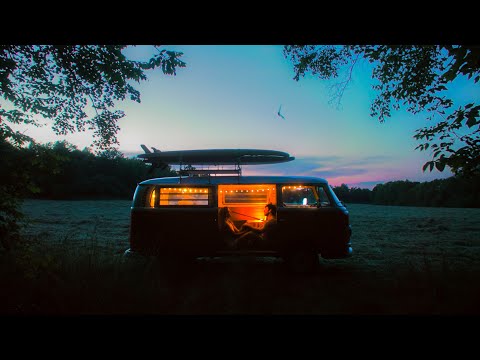
The Type 2 Bus became shorthand for the counterculture.
All specifications should be verified before publication.
Refer to the specifications section above for the engine code used in the 1968 Bus. The engine code is typically stamped on the engine case above the generator. For verification assistance, use our M-Code decoder tool.
Confidence: medium — This information should be verified with additional sources.
The value of a 1968 Bus varies significantly based on condition, originality, and documentation. Driver-quality examples typically range from lower values, while excellent restored or numbers-matching examples command premiums. Condition, originality, and documentation are the primary value drivers. Always get a professional appraisal for insurance or sale purposes.
Confidence: low — This information requires verification before use.
1968 Bus models were produced at various Volkswagen factories worldwide. Check the production details above for specific factory information. The factory code can often be identified through chassis number analysis.
Confidence: medium — This information should be verified with additional sources.
The 1968 Bus received several updates from the 1967 model. Refer to the specifications and editorial sections above for detailed information about year-to-year changes. Changes may include mechanical updates, safety features, or cosmetic refinements.
Confidence: medium — This information should be verified with additional sources.
Common rust areas on air-cooled Volkswagens include heater channels (under running boards), floor pans (especially front and battery tray area), front beam (suspension mounting point), rear chassis/apron (where bumper mounts), and door bottoms. The heater channels are structural and expensive to repair. Always inspect these areas carefully before purchase.
The 1969 Bus received updates from the 1968 model. Check the specifications section above for details about year-to-year evolution. Common changes across model years include safety updates, mechanical refinements, and regulatory compliance features.
Confidence: medium — This information should be verified with additional sources.
A full rotisserie restoration typically costs $25,000-$50,000+ depending on condition and level of finish. Mechanical refresh (engine, brakes, suspension) runs $5,000-$12,000. Bodywork and paint alone can be $8,000-$15,000 for quality work. DIY restorations save labor but require significant time investment (500-1,000 hours). Parts availability is generally good for classic VWs, which helps control costs.
Confidence: low — This information requires verification before use.
A well-maintained 1968 Bus can serve as a daily driver, but consider the age of the vehicle. Modern traffic, safety features, and reliability expectations differ from the era. Regular maintenance, mechanical knowledge, and realistic expectations are essential. Many owners use classic VWs as weekend drivers or hobby vehicles rather than primary transportation.
Confidence: medium — This information should be verified with additional sources.
Yes, parts availability for classic air-cooled Volkswagens is generally excellent. The large enthusiast community and aftermarket support mean most mechanical and body parts are readily available. Some year-specific trim pieces or rare options may be harder to find, but the core mechanical components are well-supported.
Research current market values for the 1968 T2 Westfalia (Type 2)
Hagerty Valuation Tools
Industry-standard classic car values
Bring a Trailer Results
Recent auction prices
TheSamba Classifieds
Current listings & asking prices
Buying tip: Condition is everything. A rusty "project" can cost more to restore than buying a finished car. Check heater channels, floor pans, and battery tray first.

Original paint options available for the 1968 T2 Westfalia (Type 2).
Looking for a 1968 T2 Westfalia (Type 2) in Black?
Find for SaleExplore the variants available for this model year and find your perfect match.
Want to see a detailed comparison of multiple vehicles?
Compare all variantsNumbers matching verification increases value by 20-40%. Use our tools to verify engine codes, chassis numbers, and M-codes for your 1968 T2 Westfalia (Type 2).
1968: Martin Luther King was shot in Memphis on April 4th. Robert Kennedy was shot in Los Angeles on June 5th. The Democratic National Convention in Chicago became a police riot in August. The Prague Spring ended under Soviet tanks. The Tet Offensive destroyed the Johnson administration's credibility on Vietnam. Apollo 8 sent back the Earthrise photograph in December, and humanity saw its home from the outside for the first time.
The 1968 Bus arrived wearing a new face. The split-window T1 generation had ended in December 1967. The T2 Bay Window replaced it with a single large curved windscreen, a rounder body, a lower hood line, and the visual impression of a vehicle that was watching the world through one wide eye rather than two cautious ones. The split-window had divided the view. The Bay Window opened it.
The 1968 T2 Westfalia was powered by the new 1584cc flat-four producing 47 horsepower — a displacement increase from the T1's 1493cc final engine, but slightly lower peak power than the T1's 50-horsepower final-year tune. The T2 engine was positioned lower in the rear engine bay, which improved weight distribution and reduced the characteristic T1 rear-heaviness. The chassis was new: larger wheelbase, wider track, revised suspension geometry, improved brakes.
The Westfalia conversion was redesigned for the T2 body. The larger interior dimensions — the T2 was notably taller and wider than the T1 — allowed a more generous cabinet layout. The sleeping platform was longer. The cooking area was expanded. Westfalia's SO 42 package for the T2 was the most capable camping conversion the company had produced, taking full advantage of the T2's increased internal volume.
The 1968 Westfalia was special for being the first — first T2, first Bay Window, first SO 42, first year of a generation that would run until 1979. The T2 was better than the T1 by most engineering measures: more room, better visibility, improved handling, more reliable electrical system. It was not as beautiful as the T1, which is the kind of tradeoff that engineering makes and aesthetics refuses to accept.
The Bay Window face is, with forty years of distance, recognizable in its own right. It is not the split-window, but it is the Bus — the same forward-control proportions, the same dominant nose badge, the same visual logic of a box that makes no apology for being a box. Westfalia's interior took advantage of the T2's increased dimensions with a thoroughness that made the T1 conversion feel retrospectively cramped.
1968 was the year the optimism that had sustained the counterculture began to crack. The assassinations of King and Kennedy removed two of the most credible voices for peaceful change. Chicago demonstrated that the state would use force to maintain order against its own citizens. The Tet Offensive proved that the Vietnam War was not being won, and that the government had been lying about its progress. The counterculture's tools — music, drugs, communal living, protest — felt insufficient against these specific facts.
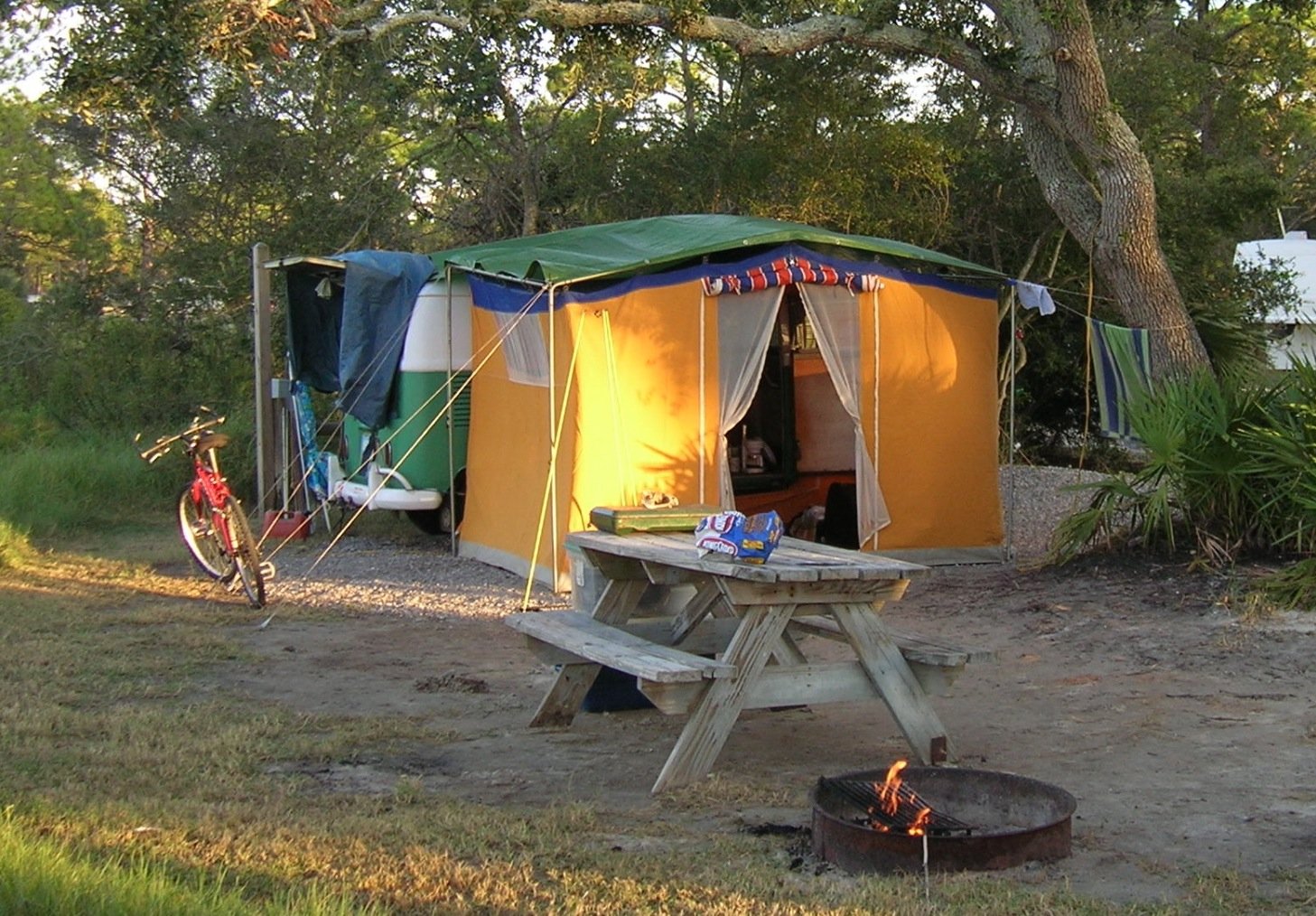
The Bus, in its new T2 configuration, continued to serve the same communities in the same ways: festival attendance, protest transport, communal living, extended road travel. The vehicle's meaning had been established by 1968 and was stable regardless of what it looked like. The Bay Window was the split-window's heir, and the communities that had adopted the Bus accepted it without ceremony.
Better than the T1, though this was not obvious from the specifications. The 47-horsepower engine had slightly less peak power than the T1's final 50-horsepower unit, but the T2's improved weight distribution and revised suspension made it more manageable at the limit. The wider track reduced the T1's characteristic tendency toward corner-exit drama. The larger wheelbase improved highway stability. The Bay Window's visibility improvement was immediately apparent: the single curved windscreen gave the driver a panoramic view that the split-window's center pillar had always obscured.
The T2 introduced a synchronised gearbox across all four gears — a significant improvement over the T1's unsynchronized first gear. Double-declutching into first was no longer required. This is not a feature that excites people who have not driven a T1, but among those who have, the T2's synchromesh is celebrated with genuine enthusiasm.
The 1968 Westfalia was purchased by buyers who were divided, roughly, between those who wanted what the split-window had been and those who wanted what the Bay Window was. The former group sometimes waited for used split-windows to become available; the latter group bought the new model with enthusiasm. VW's American sales were at their peak in the late 1960s, and the Bus was part of a lineup that had captured a generation's loyalty.
The specific 1968 Westfalia buyer was typically more affluent than the standard Bus buyer — the Westfalia premium was meaningful, and the people paying it were making a considered choice about how they wanted to camp and travel. By 1968, the Westfalia had a reputation that preceded it. Buyers knew what they were getting.
The 1968 Westfalia is the first-year T2, which carries the collector's standard first-year premium alongside the Westfalia premium. Bay Window Buses (1968-1979) occupy a different market tier from split-windows — they are generally less expensive and more available, but the best examples are appreciating steadily as the supply of restorable vehicles tightens.
The 1584cc engine in the 1968 model is the engine to have: correct to the year, well-supported by the aftermarket, and historically appropriate. Later T2 Westfalias used different engines in different configurations; the 1968 is the cleanest specification. Rust is the primary concern on all Bay Windows — the lower body panels, floor pan, and wheel arches are chronic sites. A dry-state vehicle is substantially preferable to a Pacific Northwest survivor.
The 1968 Westfalia is the first of the generation that defined the Bus for a different decade. The split-window was the 1950s and 1960s. The Bay Window was the late 1960s and 1970s, with all that those years contained. It arrived in the worst year of the postwar period and continued to serve exactly the same purpose it had always served: taking people somewhere else, giving them a place to sleep, asking nothing about their politics.
The Bay Window face is not as beautiful as the split-window. It is more capable. This tradeoff appears throughout history, and the right answer depends entirely on what you need.