1970 T2 Westfalia (Type 2)
Camper with pop-top

1970 T2 Westfalia (Type 2)

1584cc
Displacement
57HP
Power
N/A
Top Speed
1970 T2 Westfalia (Type 2) profile

Real Stories

Shaped by Hope: The Story of 'Azul'
The Story of Georgie the VW Bus
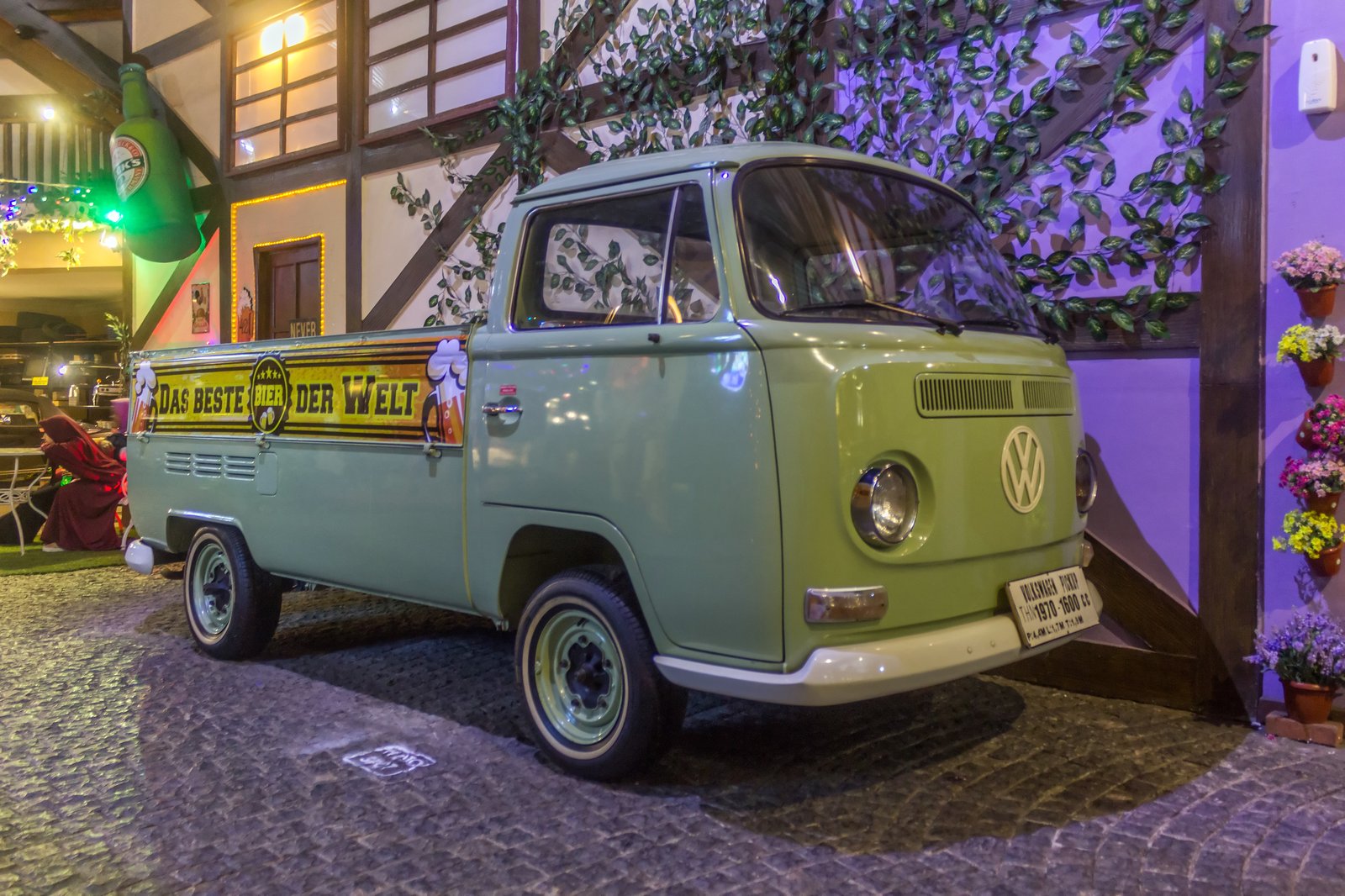
1970 T2 Westfalia (Type 2) exterior view

Factory exterior

1 / 1
T2 Westfalia (Type 2)

1970 Westfalia: Home Is Wherever You Park It

In 1970, when the world was reassessing everything, the Westfalia quietly offered a better answer: take what you need, go where you want.

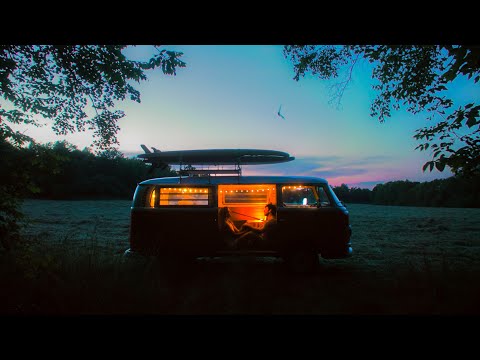
April 22, 1970. Earth Day. Twenty million Americans participating in the largest environmental demonstration in history. The message: we were using the planet wrong. The Westfalia Camper had been quietly making a different argument for years. You didn't need a hotel. You didn't need a cabin. You needed a bus with a pop-top, a two-burner stove, and the sense to appreciate what was already there.

Read the Full Story

Engineering.

The air-cooled flat-four that powered the 1970 T2 Westfalia (Type 2). Simple, reliable, and endlessly modifiable.

1584cc

Air-cooled flat-4

The air-cooled flat-four engine that powered a generation. Code B.

Power
57 HP
Fuel
Carburetor

Highlights.

Feature

Cultural context

counterculture, movement

Feature

Feature 2

The Type 2's boxy, forward-control layout was radical for its time.

Engine

Engine Size

1584cc (1.584L) Air-cooled flat-4 / Type 4

Engine

Horsepower

47 HP

Quick Facts — 1970 Bus

  • Engine SizeNeeds Review

    1584cc (1.584L) Air-cooled flat-4 / Type 4

  • HorsepowerNeeds Review

    47 HP

  • Engine CodeNeeds Review

    B0, AD

  • Body StyleNeeds Review

    Pickup

  • TransmissionNeeds Review

    4-speed manual

  • Cultural SignificanceNeeds Review

    Earth Day 1970 mobilized 20 million Americans for environmental consciousness.

All specifications should be verified before publication.

Top Questions — 1970 Bus

Refer to the specifications section above for the engine code used in the 1970 Bus. The engine code is typically stamped on the engine case above the generator. For verification assistance, use our M-Code decoder tool.

Confidence: medium — This information should be verified with additional sources.

The value of a 1970 Bus varies significantly based on condition, originality, and documentation. Driver-quality examples typically range from lower values, while excellent restored or numbers-matching examples command premiums. Condition, originality, and documentation are the primary value drivers. Always get a professional appraisal for insurance or sale purposes.

Confidence: low — This information requires verification before use.

1970 Bus models were produced at various Volkswagen factories worldwide. Check the production details above for specific factory information. The factory code can often be identified through chassis number analysis.

Confidence: medium — This information should be verified with additional sources.

The 1970 Bus received several updates from the 1969 model. Refer to the specifications and editorial sections above for detailed information about year-to-year changes. Changes may include mechanical updates, safety features, or cosmetic refinements.

Confidence: medium — This information should be verified with additional sources.

Common rust areas on air-cooled Volkswagens include heater channels (under running boards), floor pans (especially front and battery tray area), front beam (suspension mounting point), rear chassis/apron (where bumper mounts), and door bottoms. The heater channels are structural and expensive to repair. Always inspect these areas carefully before purchase.

The 1971 Bus received updates from the 1970 model. Check the specifications section above for details about year-to-year evolution. Common changes across model years include safety updates, mechanical refinements, and regulatory compliance features.

Confidence: medium — This information should be verified with additional sources.

A full rotisserie restoration typically costs $25,000-$50,000+ depending on condition and level of finish. Mechanical refresh (engine, brakes, suspension) runs $5,000-$12,000. Bodywork and paint alone can be $8,000-$15,000 for quality work. DIY restorations save labor but require significant time investment (500-1,000 hours). Parts availability is generally good for classic VWs, which helps control costs.

Confidence: low — This information requires verification before use.

Numbers matching (original engine, transmission, and chassis) typically increases value by 20-40% over non-matching examples. However, the premium varies based on overall condition, documentation, and market demand. Use our numbers matching verification tool to check your vehicle.

Confidence: medium — This information should be verified with additional sources.

A well-maintained 1970 Bus can serve as a daily driver, but consider the age of the vehicle. Modern traffic, safety features, and reliability expectations differ from the era. Regular maintenance, mechanical knowledge, and realistic expectations are essential. Many owners use classic VWs as weekend drivers or hobby vehicles rather than primary transportation.

Confidence: medium — This information should be verified with additional sources.

Yes, parts availability for classic air-cooled Volkswagens is generally excellent. The large enthusiast community and aftermarket support mean most mechanical and body parts are readily available. Some year-specific trim pieces or rare options may be harder to find, but the core mechanical components are well-supported.

Why This Year Matters

Needs Review
  • Cultural context: counterculture, movement
  • The Type 2's boxy, forward-control layout was radical for its time.
Collector AppealMedium
Restoration ComplexityMedium
Daily Driver SuitabilityMedium

Valuation Resources

Research current market values for the 1970 T2 Westfalia (Type 2)

Buying tip: Condition is everything. A rusty "project" can cost more to restore than buying a finished car. Check heater channels, floor pans, and battery tray first.

Black

L41solidcommon

Factory Colors

Original paint options available for the 1970 T2 Westfalia (Type 2).

solid Colors

Looking for a 1970 T2 Westfalia (Type 2) in Black?

Find for Sale

Which 1970 Bus fits your style?

Explore the variants available for this model year and find your perfect match.

Want to see a detailed comparison of multiple vehicles?

Compare all variants

Verify Authenticity

Numbers matching verification increases value by 20-40%. Use our tools to verify engine codes, chassis numbers, and M-codes for your 1970 T2 Westfalia (Type 2).

Correct Engine CodeB

The Full Story

Introduction

April 22, 1970. Earth Day. Twenty million Americans participating in the largest environmental demonstration in history. The message: we were using the planet wrong. The Westfalia Camper had been quietly making a different argument for years. You didn't need a hotel. You didn't need a cabin. You needed a bus with a pop-top, a two-burner stove, and the sense to appreciate what was already there.

The 1970 Westfalia got the same power upgrade as the standard Microbus: 57 horsepower from the 1584cc air-cooled engine. This wasn't just a number. It meant that the loaded Westfalia — full camping kit, sleeping bags, food, two to four people and their gear — could make reasonable progress up the grades that marked every interesting destination in America.

What It Was

The 1970 Westfalia was the third generation of Westfalia-converted T2 Buses, and the refinements accumulated over those years were evident in everything. The pop-top mechanism was reliable. The interior cabinetry was well-resolved. The appliances — two-burner propane stove, absorption refrigerator, sink — worked as promised.

Engine code B, 1584cc, 57 horsepower. The power increase over the '69 was particularly welcome in a Westfalia, which carried more weight than a standard Microbus. With full camping equipment loaded, the extra ten horses made the difference between straining and managing. The four-speed manual gearbox was unchanged.

The interior layout of the '70 Westfalia offered sleeping for four: two in the lower fold-down configuration, two in the pop-top upper berth. The kitchen area provided genuine cooking capability — not car-camping, but actual cooking on a real stove with a refrigerator that kept things cold. This was a home that moved.

What Made It Special

By 1970, the Westfalia Camper was the most complete mobile home in its price range, period. Not the largest. Not the most powerful. But the most thoughtfully designed: everything you needed, nothing you didn't, in the minimum footprint that made it feasible.

The pop-top was still the revelation. You arrived at a campsite, found your spot, raised the roof in thirty seconds, and had a standing-height living space with sleeping above. Lower the top for driving. Raise it for living. The mechanism had been refined to the point of reliability, which is what it needed to be.

What made the '70 specifically special was the convergence of the power upgrade and the mature design. Earlier Westfalias were sometimes underpowered for their weight. The '70 had sorted this out, not dramatically but sufficiently. The camping experience — the reason you bought it — was no longer compromised by the driving experience getting there.

Cultural Context

The first Earth Day in 1970 was a beginning, not an end. It was the moment the environmental movement became a mass movement, the moment when taking care of the planet moved from fringe concern to mainstream responsibility. The Westfalia was already living the answer.

It was small. It was efficient. It required minimal infrastructure — no hotel room, no campground cabin, no power hookup necessary for a night. You carried what you needed. You left the site better than you found it, or at least no worse. The Leave No Trace ethic hadn't been formally articulated yet, but the Westfalia buyer was practicing something close to it.

Kent State and the Beatles' breakup made 1970 a year of endings. The Earth Day movement and the Westfalia Camper were, against the backdrop of endings, evidence of something beginning — a different relationship with the physical world. Smaller. More intentional. More honest about what actually mattered.

How It Drove

The 1970 Westfalia drove like the previous year's model with a small but meaningful improvement: the extra 10 horsepower was most felt in the loaded state, which was how you'd drive a Westfalia most of the time. You didn't buy a Westfalia and leave the camping equipment at home.

The weight distribution of the Westfalia conversion — appliances and cabinetry concentrated in the rear of the vehicle — loaded the rear axle and actually improved traction in wet conditions. The high center of gravity from the raised roof (in transit, the pop-top was stowed but still added height) required the same smooth driving technique as any T2.

What drivers consistently reported was the sense of rightness on long highway drives: the large windscreen, the commanding seating position, the sense that you were traveling rather than merely driving. The Westfalia encouraged a particular pace and a particular attitude toward distance. Both were correct.

Who Bought It

The 1970 Westfalia buyer was someone who had decided that the standard American vacation model — fly somewhere, stay in a hotel, eat in restaurants, fly home — was insufficient. They wanted the journey to be as significant as the destination. The Westfalia made the journey the destination.

Young families were a significant demographic. A Westfalia was cheaper than the combination of hotel rooms a cross-country trip required, and it offered something hotels couldn't: the freedom to stop when something looked interesting rather than when the next town had a vacancy. The national park system was the Westfalia's natural habitat.

A growing number of buyers were single professionals and couples who valued mobility over settlement. These were early ancestors of what would become the van-life movement decades later. They saw in the Westfalia not a compromise but a preference: this was enough. This was, in fact, more than enough.

Buying Today

The 1970 Westfalia benefits from the same collector premium as the '69, with the additional appeal of the power upgrade for buyers who will drive rather than display. Market pricing runs $65,000 to $95,000 for clean, functional examples. Original appliances in working order — particularly the refrigerator and stove — add meaningful value.

The pop-top canvas is the most common restoration target on any Westfalia. Original canvas is essentially unavailable; good reproduction material is the only option and the quality varies. Inspect the canvas carefully for deterioration, and inspect the aluminum pop-top frame for corrosion at the hinge points.

The interior cabinetry on '70 models is specific to the year. Replacement pieces exist but are expensive. A Westfalia with original, intact interior cabinetry in any condition is worth paying a premium for — restoration is possible; fabrication from scratch is substantially more expensive.

Verdict

The 1970 Westfalia Camper is what Earth Day was asking for before it knew how to ask: a small, efficient, self-contained home that moved through the world with minimal footprint and maximum experience. The pop-top went up. The stove went on. The refrigerator hummed with modest refrigeration.

Fifty-five years later, it still works. Pop the top. Start the engine. The world is still out there, and the Westfalia still knows exactly what to do about that.