Reference review: source-recorded details; historical accuracy has not been comprehensively verified.
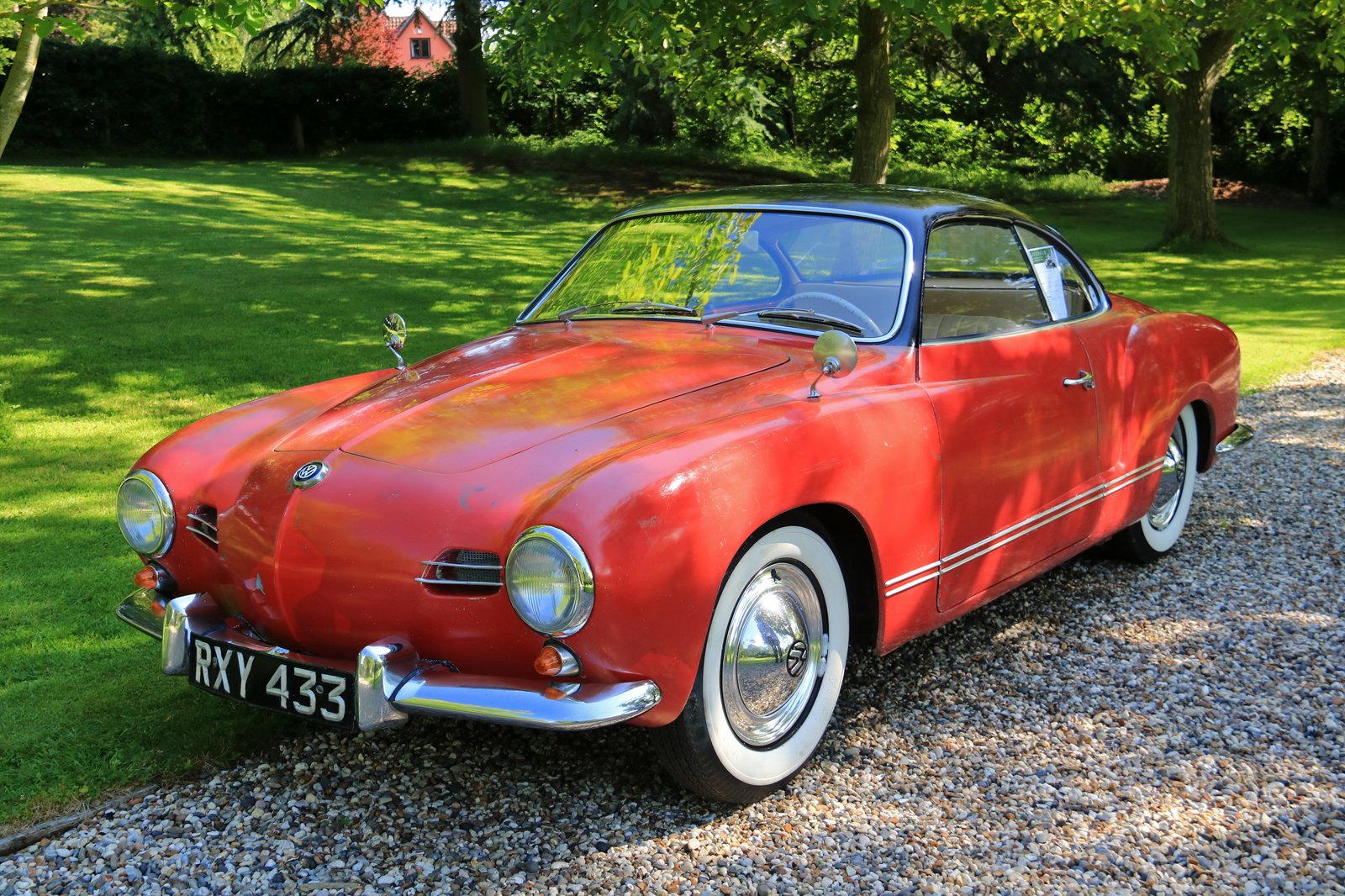
1955 · Type 14 Ghia / Type 34 Ghia
1955 Type 14 Ghia / Type 34 Ghia
We hold 3 records for the 1955 Type 14 Ghia / Type 34 Ghia: 2 body styles, specifications. No story has been published for this year.
Image: Karen Roe · Recorded license: CC-BY · Representative image; manifest year 1955. Exact configuration remains unverified.
Real Stories
We hold 3 records for the 1955 Type 14 Ghia / Type 34 Ghia: 2 body styles, specifications. No story has been published for this year.
1955 body styles
1955 Convertible
Reference only
- Engine:
- Not recorded
- Power:
- Not recorded
- Body style:
- Convertible
1955 Coupe
Identity under review
Factory colours recorded for 1955
Paint codes whose recorded availability covers 1955, from the VWX colour reference. They are not tied to any record on this page; year applicability remains under review.
- Jungle GreenL3151955-1956
- Nile BeigeL3701955-1956
- Iceland GreenL2131954-1955
- Congo GreenL2191954-1955
- Strato SilverL2271954-1955
- Light BeigeL2751954-1955
- UltramaroonL2761954-1955
- Ocean BlueL3221954-1955
- Reed GreenL3131955-1957
- Polar SilverL3241955-1957
- Iris BlueL2321954-1956
- DolomiteL2791954-1956
Nearby years
Explore the ecosystem
Some of this works today. Some of it is still an idea. The chips say which.