1600cc
Air-cooled
The air-cooled flat-four engine that powered a generation. Code .
- Power
- N/A
- Fuel
- Carburetor
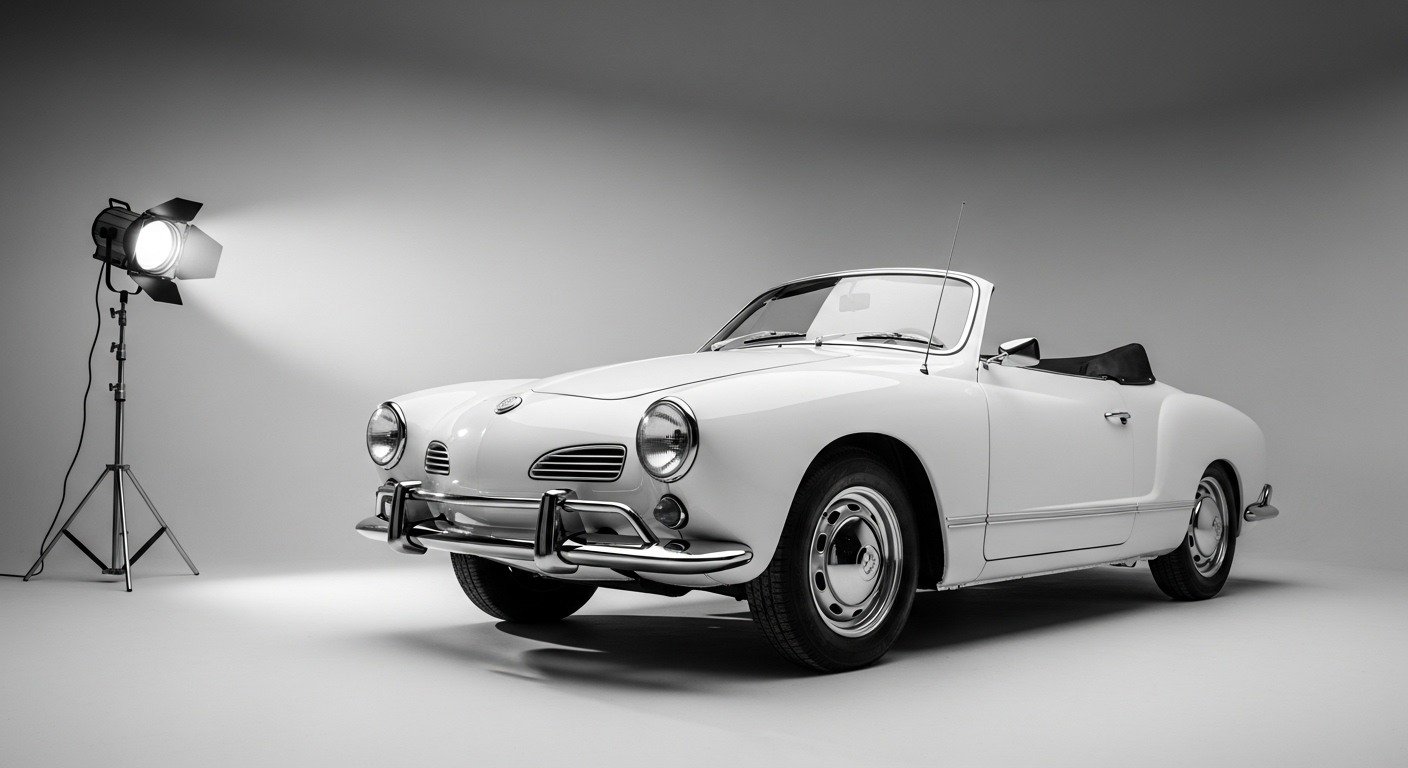
The 1954 Coupe refined the original 1952 concept. The proportions remained pure, but execution had improved: panel fits were tighter, the hand-formed bodies more consistent, and the overall finish more refined. Each car still bore evidence of being crafted rather than stamped, but the quality had visibly improved.
The air-cooled flat-four that powered the 1954 Type 14 Coupe. Simple, reliable, and endlessly modifiable.
Research current market values for the 1954 Type 14 Coupe
Hagerty Valuation Tools
Industry-standard classic car values
Bring a Trailer Results
Recent auction prices
TheSamba Classifieds
Current listings & asking prices
Buying tip: Condition is everything. A rusty "project" can cost more to restore than buying a finished car. Check heater channels, floor pans, and battery tray first.
Explore the variants available for this model year and find your perfect match.
Want to see a detailed comparison of multiple vehicles?
Compare all variantsNumbers matching verification increases value by 20-40%. Use our tools to verify engine codes, chassis numbers, and M-codes for your 1954 Type 14 Coupe.
The 1954 Coupe refined the original 1952 concept. The proportions remained pure, but execution had improved: panel fits were tighter, the hand-formed bodies more consistent, and the overall finish more refined. Each car still bore evidence of being crafted rather than stamped, but the quality had visibly improved.
The design language remained revolutionary: low profile, graceful curves, elegant proportions that made the Beetle-derived platform invisible beneath the sophistication.
Beneath the refined exterior beat the Beetle's heart: the 1100cc air-cooled four-cylinder. But Karmann's engineers had been learning how to tune this platform. The suspension geometry had been refined. Cooling had been optimized. The result was better performance than the initial 1952 examples.
Manufacturing experience meant fewer inconsistencies. Quality control had tightened.
The 1954 cabin remained snug but purposeful. Leather appointments, proper gauges, and hand-stitched details created an interior that felt special. The driving experience was engaging: direct steering, responsive handling that rewarded smooth inputs.
1954: Europe was accelerating into prosperity. The Korean War was ended. NATO was forming. Germans were rebuilding identity and pride. The Karmann Ghia Coupe represented this moment: elegant recovery, refined taste, European confidence.
The 1954 Coupe is historically significant as the moment when the design proved itself viable. It's early enough to have real collector appeal, mature enough in execution to be reliable.
The 1954 production run saw roughly 2,000 Coupes built—meaningful volume suggesting genuine market acceptance. Quality improved visibly compared to 1952-1953 examples.
The 1954 Karmann Ghia Coupe represented VW's collaboration with Italian design house Ghia and German coachbuilder Karmann creating elegant synthesis: Beetle mechanical simplicity wrapped in Italian-designed sophisticated bodywork, air-cooled reliability clothed in hand-assembled coachbuilt beauty, affordable pricing delivering premium aesthetic. The Karmann Ghia proved elegance didn't require complexity, sophistication didn't demand wealth, beauty didn't need pretension. That democratic elegance—premium experience at accessible price through intelligent design and coachbuilt quality—defined Karmann Ghia's unique positioning.
The coupe or convertible body was hand-assembled by Karmann craftsmen: each panel fitted precisely, every gap measured carefully, all chrome applied deliberately. That coachbuilding care created quality exceeding mass production: tighter tolerances, superior finish, refined details. But the Beetle drivetrain underneath meant reliability and owner-serviceability remained: same air-cooled engine enabling DIY maintenance, same independent suspension providing predictable handling, same simple systems allowing owner understanding. Beauty outside, Beetle honesty inside. That combination was Karmann Ghia magic: elegance you could afford, sophistication you could maintain, beauty you could trust.
The 1954 Karmann Ghia Coupe served buyers wanting aesthetic sophistication without abandoning VW values: young professionals appreciating Italian styling, design-conscious drivers valuing coachbuilt quality, couples choosing elegant transportation without luxury car costs, enthusiasts recognizing that proportion and refinement mattered more than power and speed. The Karmann Ghia taught: elegance is restraint perfectly executed, sophistication is proportion carefully considered, beauty is honesty elevated through craftsmanship. That philosophy—beauty through intelligent restraint rather than excessive ornamentation—makes Karmann Ghias culturally and aesthetically significant.
Original 1954 Karmann Ghia buyers chose elegant alternative: more beautiful than Beetle, more affordable than Porsche, more sophisticated than American cars in same price range. They valued styling excellence, appreciated coachbuilt quality, recognized that Italian design collaboration created something special: honest engineering elevated through aesthetic sophistication. That combination—practical Beetle reliability meeting Italian design elegance—proved you could have beauty AND affordability, sophistication AND simplicity, elegance AND owner-serviceability simultaneously.
Today's collectors recognize Karmann Ghias as design achievements: Luigi Segre's Ghia styling was elegant through proportion rather than decoration, Karmann's coachbuilding was quality through craftsmanship rather than complexity, VW's engineering was reliable through simplicity rather than sophistication. The 1954 Karmann Ghia Coupe represents that perfect synthesis: Italian aesthetic sensibility, German mechanical integrity, democratic pricing accessibility. That tri-cultural achievement makes Karmann Ghias significant beyond their Beetle-based mechanics—they proved beauty could be honest, elegance could be affordable, sophistication could be simple when design intelligence guided every decision from proportion to panel fit to mechanical transparency.