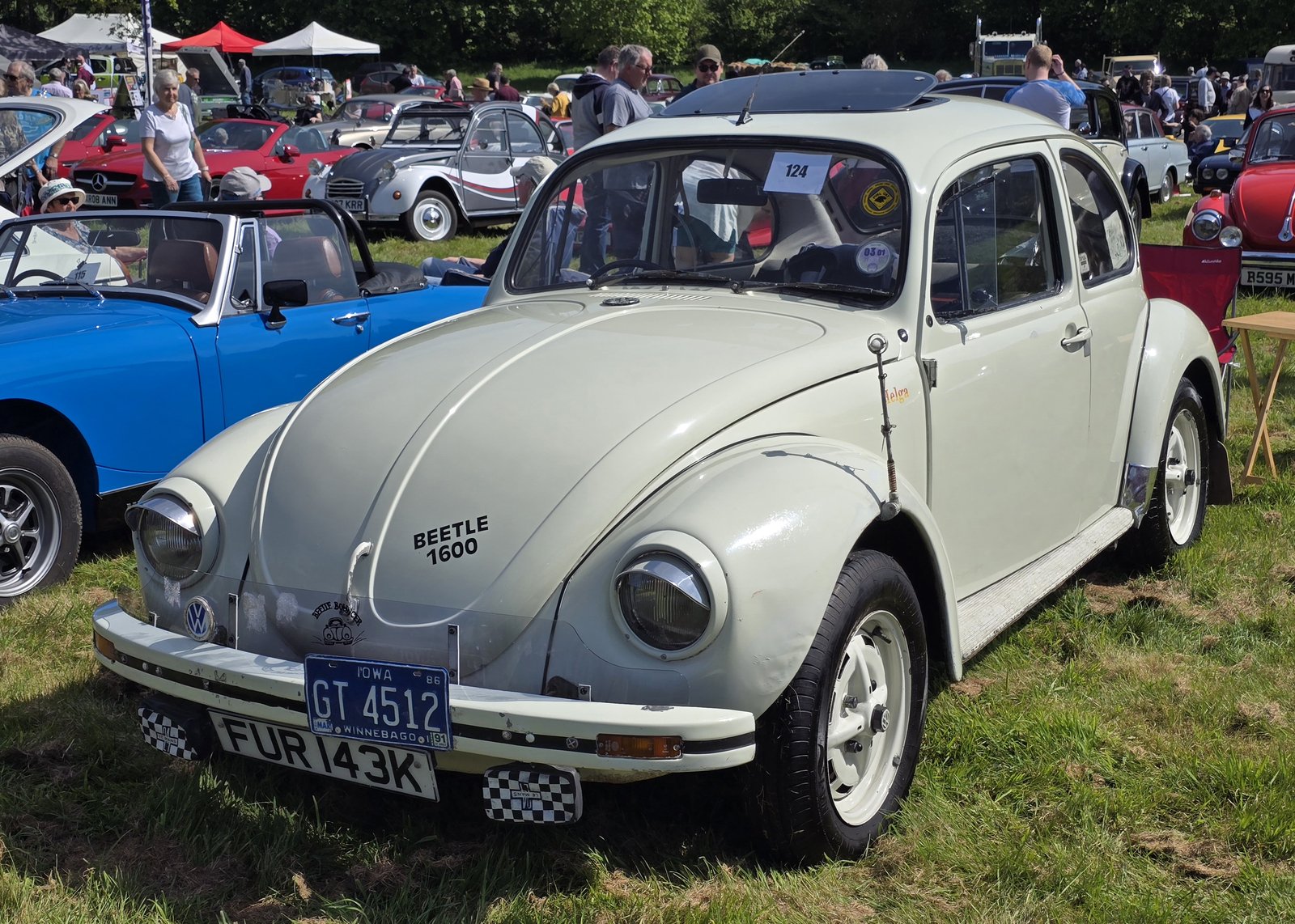
1600cc • 48 HP • 2-door sedan

1972 Beetle

Real Stories

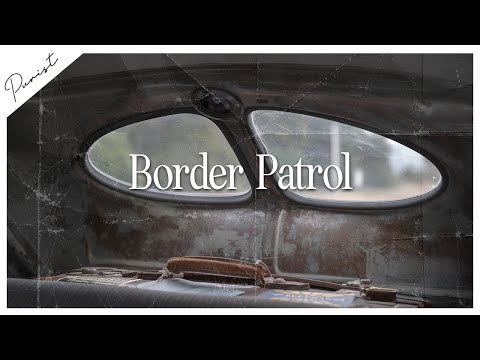
1949 VW Split Window Beetle - German Border Patrol
11:49

The Story

une 17, 1972: Five burglars arrested at Watergate complex. Initially dismissed as "third-rate burglary." By year's end, connections to Nixon administration emerging. Trust in institutions beginning to erode. Meanwhile, Nixon won reelection in landslide—America split between those who believed and those who questioned. The Beetle navigated this perfectly: it had been honest when institutions lied, reliable when politicians deceived, transparent when government concealed. The car didn't need to change its values to serve cultural moment. It had been embodying trustworthiness for twenty-three years. Watergate just made those values feel more precious.

Model Information and History

What It Was

The 1972 Beetle looked fundamentally unchanged from 1971—twenty-three years of visual continuity creating timeless design. Standard Beetles retained traditional torsion bar suspension. Super Beetles featured MacPherson struts and curved windshield. Both shared Beetle DNA: rounded fenders, upright profile, minimal chrome, honest proportions. The design communicated constancy in year when political constancy was revealed as performance. While Nixon administration lied, Beetle design remained honest. That visual consistency felt meaningful when institutional consistency proved false.

Paint colors in 1972 continued offering environmental-era choices: earth tones, practical blues, subdued greens. Colors suggesting sincerity and groundedness rather than flashy excess. The interior featured continued refinements: better materials, improved durability, enhanced quality. Everything communicated honest craftsmanship—exactly the values that felt precious when Watergate revealed how dishonestly institutions operated. The Beetle's design never pretended to be more than it was. That transparency was revolutionary when government transparency proved illusory.

What Made It Special

The 1972 Beetle continued offering multiple engine and suspension options: Standard with 1200cc or 1300cc and torsion bars, Super with 1600cc and MacPherson struts. The variety respected customer choice while maintaining core values across all variants: air-cooled simplicity, fuel efficiency, owner-serviceability, anti-obsolescence durability. Whether you chose traditional Standard or modern Super, you got honesty. That mechanical integrity felt increasingly valuable as Watergate revealed political integrity's absence.

The air-cooled engines continued proving environmental and practical superiority. No coolant to leak or contaminate. No radiator to fail or require replacement. No antifreeze to dispose of. Maintenance remained owner-accessible: valve adjustments, spark plug changes, oil changes—all achievable with basic tools and knowledge. In year when government deceived citizens, mechanical transparency felt significant. The Beetle invited understanding rather than requiring blind trust. You could verify its honesty through direct engagement. That accessibility was practical and political.

The engineering proved trustworthy through constancy. Twenty-three years of continuous improvement had refined every system without abandoning core design. The reliability was proven through millions of miles accumulated by millions of owners. That track record mattered when institutional track records were revealed as fraudulent. The Beetle had been honest all along. Watergate proved government hadn't been. That contrast made mechanical honesty feel like moral stance: build things that work as promised, maintain truthfulness over time, prove integrity through endurance.

The World in 1972

The Beetle broke the Model T's all-time production record in 1972, selling its 15,007,034th unit and becoming the most-produced car in history. The year itself was turbulent: Nixon visited China, Watergate's burglars were arrested in June, and the Munich Olympics became a tragedy. Against this backdrop, the Beetle remained relentlessly ordinary — not an escape from the world's noise, but a quiet acknowledgment that most of life happens in the space between big events. Filling up a Beetle cost less than filling the American competition. That math was starting to matter. VW's ads had spent a decade teaching Americans that small was honest. By 1972, that lesson had taken. The most popular car in history had outlasted everyone.

How It Drove

Climbing into the 1972 Beetle meant entering space that embodied constancy and honesty. The controls were familiar, predictable, transparent. The steering communicated road feel honestly. The gearshift engaged mechanically. Everything worked exactly as it appeared to work—no hidden complexity, no concealed agendas, no deceptive simplicity masking problematic sophistication. That mechanical honesty felt meaningful when Watergate revealed political dishonesty. Some things could still be trusted. The Beetle proved it every time it started, every mile it ran, every year it endured.

Living with a 1972 Beetle during Watergate's emergence meant experiencing trustworthiness when trust felt scarce. The car started reliably while news revealed governmental lies. It ran predictably while administration concealed illegal activities. It required minimal maintenance while institutions required faith despite evidence of corruption. The Beetle's mechanical integrity felt like moral lesson: honesty works. Transparency builds trust. Constancy over time proves character. Watergate taught those lessons through betrayal. The Beetle taught them through engineering.

Who Bought It

The 1972 Beetle buyer was no longer just the iconoclast or the campus radical. The Beetle had gone mainstream while somehow staying weird. College professors drove them. Young married couples bought them as second cars. Returned Peace Corps volunteers chose them on principle. High school teachers, graphic designers, photographers — people who read the Whole Earth Catalog and people who just liked the gas mileage. By 1972, owning a Beetle said less about your politics and more about your personality: someone who didn't need to impress anyone, or who had figured out that trying to impress anyone was the least impressive thing you could do. The record-year sales numbers confirmed what VW's advertising had argued for a decade. Everyone else was catching up.

Buying Today

Model Year 1972 continued both Standard and Super Beetle production. The variety respected customer preferences: traditionalists chose Standard, modernists chose Super, both got Beetle honesty. Manufacturing quality remained superb. Reliability was legendary. The dealer network was comprehensive. Everything validated the choice—whether buyers sought traditional simplicity or modern refinement, they got mechanical integrity. That constancy felt valuable when Watergate revealed how institutions betrayed trust. The Beetle had been earning trust through twenty-three years of honesty. That track record mattered when governmental track record proved fraudulent.

Verdict

Original 1972 buyers remember the Beetle as trustworthy constant during the year when institutional trust began eroding. Watergate initially seemed like minor scandal. By 1974, it would destroy presidency. But throughout, Beetles kept working exactly as promised. That mechanical constancy felt meaningful when political constancy proved false. The car that never deceived owners felt like moral counterpoint to government that did. Some things remained honest even when institutions weren't.

Today's restorers value 1972 Beetles because they represent honesty when deception was being revealed. Watergate taught that institutions lie, power corrupts, trust must be earned through constancy rather than claimed through authority. The Beetle had been demonstrating those lessons through engineering for twenty-three years. Restoring a 1972 means preserving that integrity: build honestly, maintain transparency, prove trustworthiness through endurance. Those values matter beyond automotive context—they're lessons about what deserves trust and how trust is earned.

1,078 words • ~6 min read

Reference

Engine

Displacement
1600cc (1.6L)
Configuration
Air-cooled flat-4
Power
48 HP
Engine Code
Dual-port 1600

Performance

0-60 mph
N/A
Top Speed
N/A
Fuel Economy
N/A

Drivetrain

Transmission
4-speed manual / 3-speed AutoStick
Drive Type
LHD/RHD available

Chassis

Front Suspension
MacPherson strut
Rear Suspension
IRS
Brakes
Drum front and rear
Steering
Worm and roller

Dimensions

Community Resources

Community

Connect with 1972 Beetle owners & experts

Discussions

Soon

Questions, advice, and stories from the community

Photo Gallery

Soon

Owner photos and restoration progress shots

Find a Specialist

Soon

Mechanics and restorers who know this model

Owner Registry

Soon

Connect with other owners near you

Community features coming soon. We're building tools for owners to share knowledge, photos, and connect with specialists. Want early access? Get in touch.

Verify Authenticity

Numbers matching verification increases value by 20-40%. Use our interactive tools to verify engine codes, chassis numbers, and M-codes against production data for your 1972 Beetle.

Correct Engine Code
Dual-port 1600
Valid Engine Codes
Dual-port 1600